
How Early is too Early Understanding Infant Swim Readiness By Age
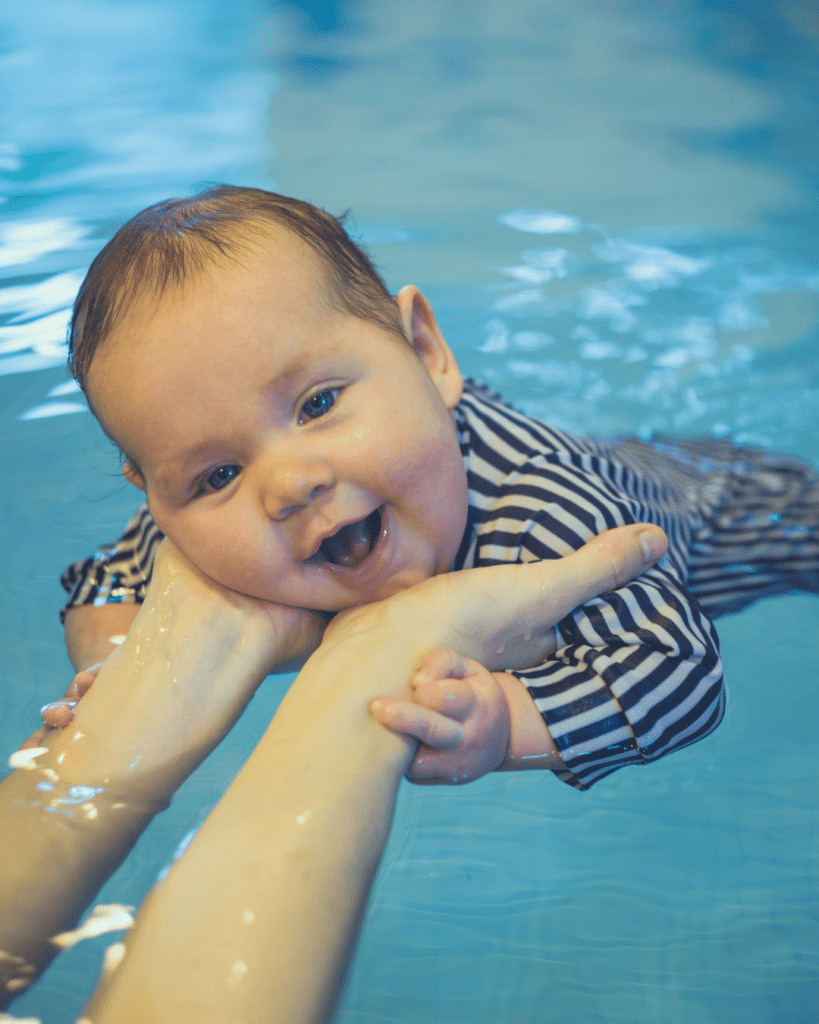
For parents curious about when to start swim lessons, it’s common to wonder: How early is too early? The short answer is—it depends. While babies can be introduced to water very early, formal swim lessons aren’t one-size-fits-all. Every child develops differently, and understanding the signs of readiness—rather than just going by age—can help parents choose the right time to begin.
Let’s explore how infants and toddlers progress in their swim journey and how to tell when your little one is ready to dip more than just their toes in.
The Earliest Introductions: 0–6 Months
Believe it or not, babies can begin water acclimation as early as infancy. In fact, newborns often retain natural water reflexes (like holding their breath) for the first few months of life.
What these sessions look like:
- Gentle parent-child classes in warm water
- Floating support, sensory play, and movement with a caregiver
- Building comfort and familiarity—not formal instruction
Focus: Bonding, sensory stimulation, and calm exposure to water. At this stage, the goal is not to teach swimming techniques but to encourage a healthy relationship with the water.
The Developmental Sweet Spot: Around 6 Months
By 6 months, many babies have improved head and core control, making them more physically prepared for safe, supported water activities.
This is a common age to begin infant water safety programs that introduce basic floating, breath control, and rolling techniques—always under supervision.
Why this age matters:
- Improved muscle tone and motor coordination
- Developing immune systems make public pools more tolerable
- Emotional comfort begins to show: some babies start enjoying splashing and group classes
Still, the goal is water acclimation and safety—not independent swimming.
Around Age 1: The AAP’s Recommendation
The American Academy of Pediatrics (AAP) recommends that formal swim lessons can begin at age 1, especially for families with access to pools or water bodies. That doesn’t mean swimming laps—just safe, structured exposure with trained instructors.
What to expect:
- Continued parent-child participation
- Repetition of floating, gliding, and exiting water safely
- Foundation for water safety skills before stroke development
Remember: a child’s readiness matters more than hitting a certain birthday.
Readiness Signs to Look For
Every child is unique. Instead of focusing solely on age, look for these developmental signs:
Physical Readiness:
- Good head and neck control
- Comfort moving arms and legs in the water
Emotional Readiness:
- Appears calm or curious in water (not fearful)
- Responds well to new environments
- Can engage with instructors or follow simple directions
If your baby shows these signs, they’re likely ready to begin more structured infant swim lessons.
When It’s OK to Wait
Some children may need more time before they’re comfortable in a swim setting—and that’s completely normal.
Consider holding off if:
- They’re not physically ready (e.g., delayed head control or core strength)
- There are any health concerns that your pediatrician flags
Additionally, if your primary goal is teaching formal strokes like freestyle or backstroke, that type of instruction is best reserved for ages 3–5, when children have the physical coordination and attention span to learn technique.
Why Early Exposure Still Matters
Even if your child isn’t “swimming” yet, early exposure lays the groundwork for lifelong water confidence and safety. Infants who are comfortable in the water tend to transition more smoothly into formal lessons as they grow. They also benefit from improved coordination, better emotional regulation, and even enhanced bonding with their parents.
Ready to Begin? Start with Infant Swim Experts
At Blue Dolphin Swim School, we specialize in age-appropriate infant swim classes designed to gently introduce babies and toddlers to the water. Our instructors focus on comfort, safety, and fun, helping your little one build water confidence at their own pace.
Whether your baby is 6 months or 18 months, our team is here to support your family’s swim journey.
Visit Blue Dolphin Swim School to explore our Baby Love Infant Swim program and book your first class today.
FAQ: Infant Swim Readiness
1. Can I bring my newborn to swim lessons?
Yes, you can introduce your baby to water as early as a few weeks old—but it’s best to keep it gentle and focused on comfort and bonding. Formal lessons often start around 6 months.
2. What’s the best age to start infant swim classes?
Many programs begin at 6 months, when babies typically have the physical development to benefit from structured lessons.
3. Is my baby too young to learn real swimming?
Infants won’t learn strokes yet—but they can learn basic water safety cues, floating, and breath control with help from parents and instructors.
4. What if my child cries or is scared during lessons?
That’s normal! Building water comfort takes time. Gentle, consistent exposure with supportive caregivers often helps ease the fear.
5. Do infant swim lessons prevent drowning?
They significantly reduce risk by teaching early water safety skills, but constant supervision and barriers (like pool fences) are always essential.