
How to Know When Your Child Is Ready to Move Beyond Infant Swim Lessons
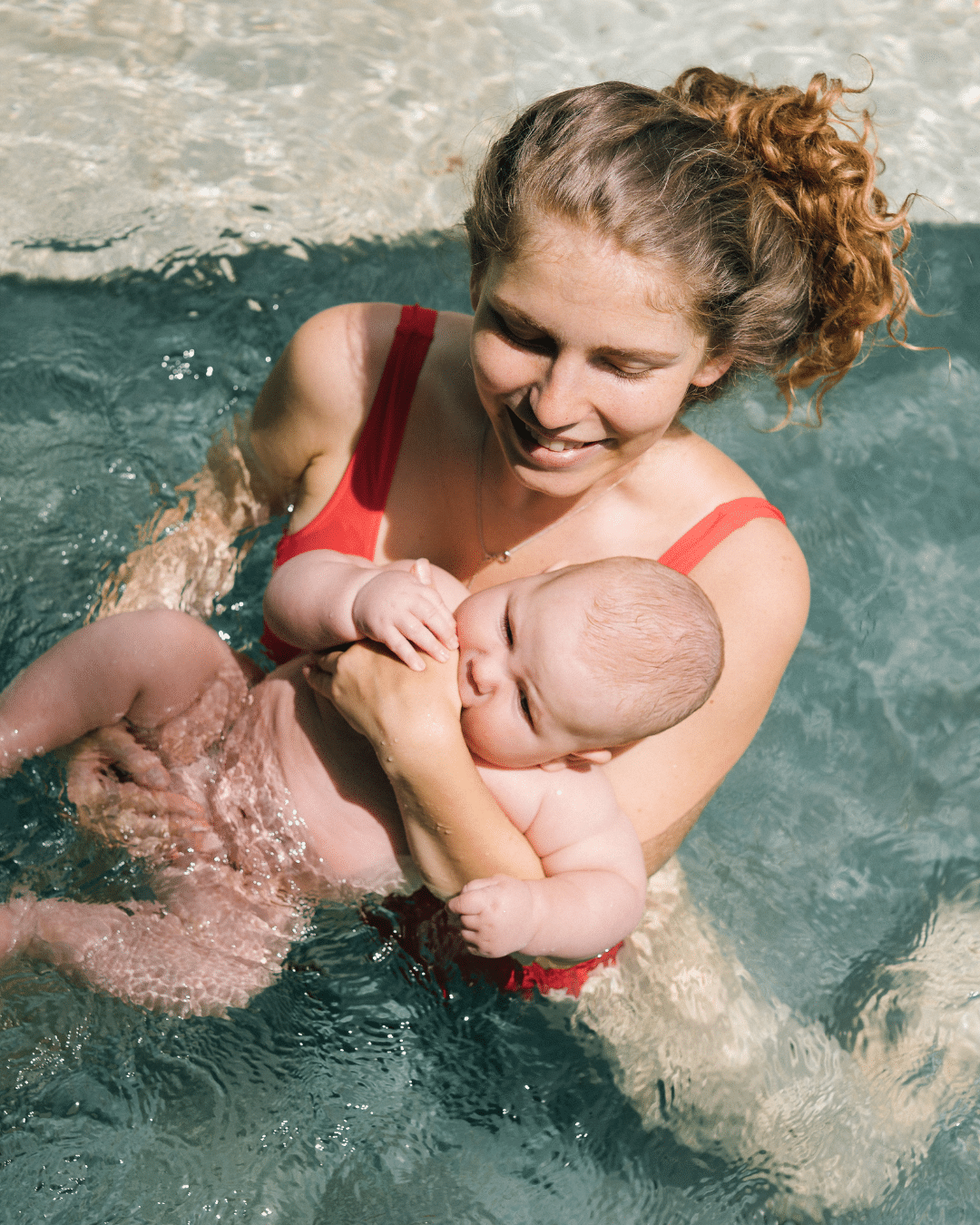
Infant swim lessons are an incredible starting point for building water comfort, safety awareness, and early motor skills. But as your child grows, you may start to wonder: When is it time to move on to the next level?
Transitioning from parent-and-child swim classes to more independent lessons is an important milestone. It marks a shift from guided, hands-on support to greater independence, skill development, and confidence in the water.
At Blue Dolphin Swim School, we help families navigate this transition every day. Here’s how to recognize when your child may be ready to move beyond infant swim lessons—and what to expect next.
Why This Transition Matters
Infant swim lessons focus on foundational skills like floating, water comfort, and early safety behaviors. As children grow, they need new challenges to continue progressing.
Moving into the next stage of swim instruction allows children to:
- Build stronger swimming skills and coordination
- Learn to follow instructor-led directions
- Develop independence and confidence
- Begin preparing for more advanced swim techniques
Recognizing the right timing ensures your child continues to grow without feeling frustrated or held back.
Key Signs Your Child Is Ready
Every child develops at their own pace, but there are several common indicators that suggest readiness for the next level.
- Increased Physical Ability
As children approach toddler and preschool age, their motor skills improve significantly. You may notice your child can:
- Kick with more purpose and coordination
- Use their arms to move through the water
- Hold onto the pool wall independently
- Maintain a supported or semi-independent back float
These physical skills are essential for transitioning into beginner swim lessons where independence is gradually introduced.
- Comfort and Confidence in the Water
One of the biggest indicators of readiness is how your child feels in the water.
Signs of strong water comfort include:
- Willingly submerging their face
- Jumping into the water with assistance
- Relaxed body positioning during floating
- Minimal fear or hesitation during lessons
Children who feel secure in the water are more likely to succeed in instructor-led classes without constant parental support.
- Ability to Follow Simple Directions
In infant classes, parents often guide the child’s movements. In the next stage, children begin responding directly to the instructor.
Your child may be ready if they can:
- Follow simple cues like “kick,” “hold the wall,” or “blow bubbles”
- Pay attention for short periods of time
- Participate in structured activities
This behavioral readiness is just as important as physical ability.
- Growing Independence
Many parents notice a shift in their child’s behavior in the pool before they realize it’s time to transition.
Your child may:
- Try to move away from you in the water
- Show curiosity about doing things on their own
- Engage more with the instructor than the parent
- Display confidence in exploring the pool environment
This desire for independence is a strong sign they’re ready for the next step.
- Slower Progress in Infant Classes
If your child has been in infant swim lessons for a while and progress seems to have plateaued, it may not be a lack of ability—it may be a sign they need a new challenge.
Children who are ready for more advanced instruction often:
- Repeat the same skills without noticeable improvement
- Become less engaged during lessons
- Show readiness for more structured learning
Moving into a new level can re-engage their interest and accelerate progress.
What to Consider Before Transitioning
While many children are ready between ages 2–4, readiness isn’t based on age alone. Consider the following:
Separation Comfort
Some children may still experience separation anxiety. If your child struggles to be without you, a gradual transition—such as smaller group settings or private lessons—can help.
Personality and Learning Style
Some children thrive in group environments, while others benefit from more individualized attention. Choosing the right class format can make the transition smoother.
Consistency and Routine
Children who attend lessons regularly tend to adjust more quickly to new environments and expectations.
What Happens Next?
Once your child moves beyond infant swim lessons, they’ll begin developing more structured swim skills, including:
- Independent floating and gliding
- Coordinated kicking and arm movements
- Introduction to basic strokes like freestyle and backstroke
- Water safety skills like returning to the wall
This stage builds on everything they’ve already learned—just with greater independence and skill progression.
Supporting Your Child Through the Transition
Transitions can feel like a big step—for both parents and children. You can support your child by:
- Staying positive and encouraging
- Avoiding comparisons with other swimmers
- Trusting the instructor’s guidance
- Maintaining consistent attendance
Most importantly, remember that confidence takes time. The goal is steady, safe progress—not perfection.
Ready for the Next Step?
At Blue Dolphin Swim School, we offer a clear progression from infant swim lessons into our Learn-to-Swim programs. Our instructors are trained to assess readiness and guide your child into the right level for their development.
If you’re unsure whether your child is ready, our team is happy to help evaluate their skills and recommend the best path forward.
Contact Blue Dolphin Swim School today to learn more about our swim programs and find the perfect next step for your child’s swim journey.
FAQ: Moving Beyond Infant Swim Lessons
Many children transition between ages 2 and 4, but readiness depends more on physical skills, confidence, and behavior than age alone.
No. They should show foundational skills like floating, kicking, and holding the wall, but full independence develops in the next stage.
Some hesitation is normal. Gradual transitions and supportive instructors can help children build confidence over time.
Not necessarily, but staying at a level that no longer challenges them can slow progress and reduce engagement.
Instructors evaluate physical ability, water comfort, listening skills, and overall confidence to ensure your child is placed in the right level.