
What “Learning to Swim” Really Means for Toddlers and Preschoolers
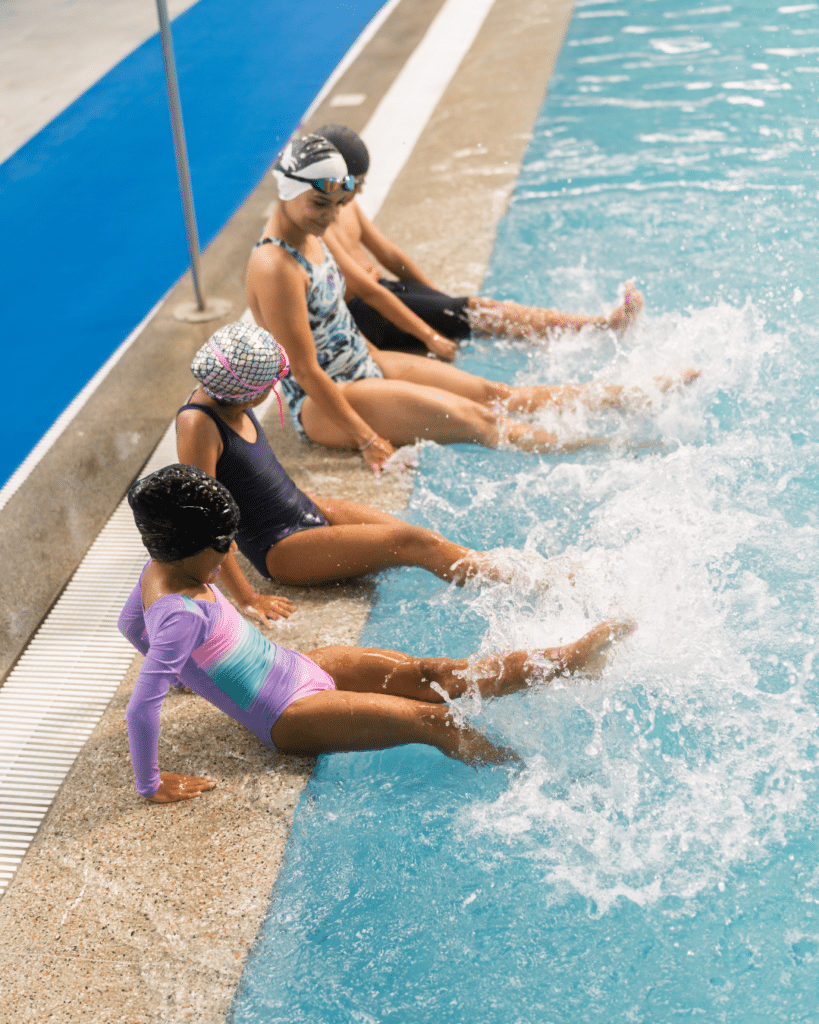
When parents think about swimming, they often picture children confidently moving across the pool using strokes like the front crawl. But for toddlers and preschoolers, “learning to swim” means something very different.
At this stage, swimming lessons are not about mastering advanced techniques or building endurance—they’re about developing water competency, confidence, and safety skills that support drowning prevention. Understanding this helps parents set realistic expectations and better support their child’s progress.
At Blue Dolphin Swim School, our Learn-to-Swim programs are designed specifically for young students, focusing on the skills that matter most early on.
What “Learning to Swim” Means for Young Children
For toddlers and preschoolers, learning to swim is centered around safety, independence, and comfort in the water.
Rather than focusing on competitive strokes, children are learning how to:
Stay calm in the water
Control breathing and submerge safely
Float and rest when needed
Move short distances toward safety
Exit the pool independently
These are the foundational skills that support real-world water safety—not just performance in the pool.
Toddler Stage (18 Months – 3 Years)
At the toddler level, swimming lessons focus on water familiarity and early safety behaviors.
Key Skills Include:
Blowing bubbles and breath control
Safe entry and exit from the pool
Supported floating and gliding
Basic kicking and early arm movement
Learning to hold onto the wall
Many students at this stage are still building motor coordination. Lessons are repetitive and structured to help toddlers develop comfort while working alongside a caregiver in parent-assisted or private formats.
For younger swimmers transitioning from infant programs, this stage builds on earlier exposure while introducing more intentional movement.
Preschool Stage (3 – 5 Years)
Preschoolers are typically more ready for structured instruction and begin developing independent swimming skills.
Skills Begin to Expand Into:
Independent front and back floating
Swimming short distances using basic front crawl movements
Coordinating arms and legs together
Introduction to treading water
Following multi-step directions from an instructor
At this level, children start connecting movements into recognizable swimming patterns. While they may begin learning elements of the front crawl, the focus remains on safety and control rather than speed or endurance.
What Is “Water Competency”?
True swimming ability at a young age is best defined as water competency, which combines multiple safety-focused skills.
These include:
Entering the water and resurfacing
Breath control and timing
Floating or treading water to rest
Turning to locate an exit
Moving toward safety
Climbing out independently
These abilities are critical for drowning prevention and are prioritized over advanced stroke development in early swimming programs.
How Swim Lessons Support Development
Swimming lessons provide more than just physical skills—they support overall child development in several key areas.
Physical Development
Swimming strengthens muscles, improves coordination, and supports endurance over time. Water resistance allows children to build strength safely while developing body awareness.
Cognitive Development
Following instructor cues, remembering sequences, and practicing movement patterns support learning, attention, and problem-solving skills.
Social Development
In group programs, students learn to:
Take turns
Listen and respond to instructors
Interact with peers
Build confidence in a structured environment
These experiences help prepare children for classroom settings and future activities, including potential progression into swim team programs as they grow older.
Understanding What Comes Next
As children progress through swim lessons, they move from basic safety skills into more refined swimming techniques.
Over time, they may begin:
Swimming longer distances
Improving coordination and rhythm
Building endurance
Learning more advanced strokes
However, these advancements happen gradually. Early lessons are about building a strong foundation that supports long-term success—not rushing into advanced skills.
Important Safety Considerations
While swimming lessons are essential, they are only one part of a complete safety strategy.
Parents and caregivers should always:
Provide constant supervision
Avoid distractions near the water
Understand that no child is ever fully “drown-proof”
Reinforce safety habits outside of lessons
Swimming programs reduce risk, but active supervision remains the most important factor in keeping children safe.
Setting Realistic Expectations
Learning to swim is a process, especially for young children.
Progress may look like:
Floating independently for a few seconds
Moving a short distance without assistance
Following directions consistently
These milestones may seem small, but they represent critical steps in building confidence, safety awareness, and long-term swimming ability.
Start Your Child’s Swim Journey the Right Way
At Blue Dolphin Swim School, our Learn-to-Swim curriculum is designed to help toddlers and preschoolers build real, practical swimming skills in a safe and supportive environment.
Whether your child is transitioning from infant lessons, starting in a private class, or joining a group program, our experienced instructors guide each student at the right pace for their development.
Visit Blue Dolphin Swim School today to learn more about our swim programs and enroll your child in swimming lessons designed for their age and ability.
FAQ: Learning to Swim for Toddlers and Preschoolers
Many children begin structured swimming lessons between 18 months and 3 years, with increased independence developing closer to preschool age.
Not immediately. Early lessons focus on safety and movement, with basic front crawl skills introduced gradually over time.
They teach essential water competency skills like floating, breath control, and returning to safety, which reduce drowning risk when combined with supervision.
Both options can be effective. Private lessons offer more individualized attention, while group programs support social learning and structure.
Endurance develops gradually. Early lessons focus on short movements and safety, with endurance increasing as skills improve.