
Water Safety Starts at Home: How Infant Swim Lessons Reinforce Safe Habits
For parents of babies and toddlers, water safety is not just a poolside concern. Bathtubs, buckets, toilets, kiddie pools, and even pet water bowls can pose real risks to curious little ones. The most effective approach to keeping young children safe is one that extends far beyond a weekly swim class. When you reinforce the skills and habits your child learns in the pool throughout your daily routine, you build a layered safety net that protects your family every day of the year.
Infant swim lessons are powerful, but their true value emerges when families carry those lessons home. Muscle memory, breath control, and calm responses to water do not develop from one hour a week. They grow through consistent, intentional practice in the small moments that fill a child’s day.
How Swim Lesson Skills Translate to Home Life
Quality infant swim programs teach foundational skills that can quite literally save a life. These skills become second nature only when reinforced regularly outside the pool.
Breath control is one of the first lessons babies learn in the water. Closing the mouth and holding the breath when the face becomes wet is an instinctive response that needs gentle practice. At home, you can support this skill during bath time by slowly pouring small cups of water over your baby’s head, giving a consistent verbal cue like “ready, go” beforehand. Over time, your child connects the cue with the sensation and responds with confidence.
Back floating is widely considered the cornerstone of infant water safety. A child who can roll onto their back and float can breathe, rest, and call for help if they ever find themselves in water unexpectedly. The bathtub is an ideal place to practice. Support your baby securely under the shoulders and head, recline them gently, and let them feel the calm sensation of resting on their back. Even brief moments of practice build comfort with the position.
Listening and following directions matter just as much as the physical skills. Swim instructors give clear, simple commands, and children who respond quickly are safer in the water. You can build this skill at home by using direct phrases during bath time and play. Saying “look at mommy,” “hands here,” or “kick your legs” during routine moments teaches your child to process and act on instructions in water settings.
Daily Habits That Reinforce Water Safety
Beyond skill practice, the home environment itself plays a major role in keeping young children safe. A few consistent habits dramatically reduce risk:
Stay within arm’s reach of your child whenever they are near any water, including the bathtub. Drowning is silent and can happen in less than two inches of water. Phone calls, doorbells, and quick tasks can wait. If you must step away, take your child with you.
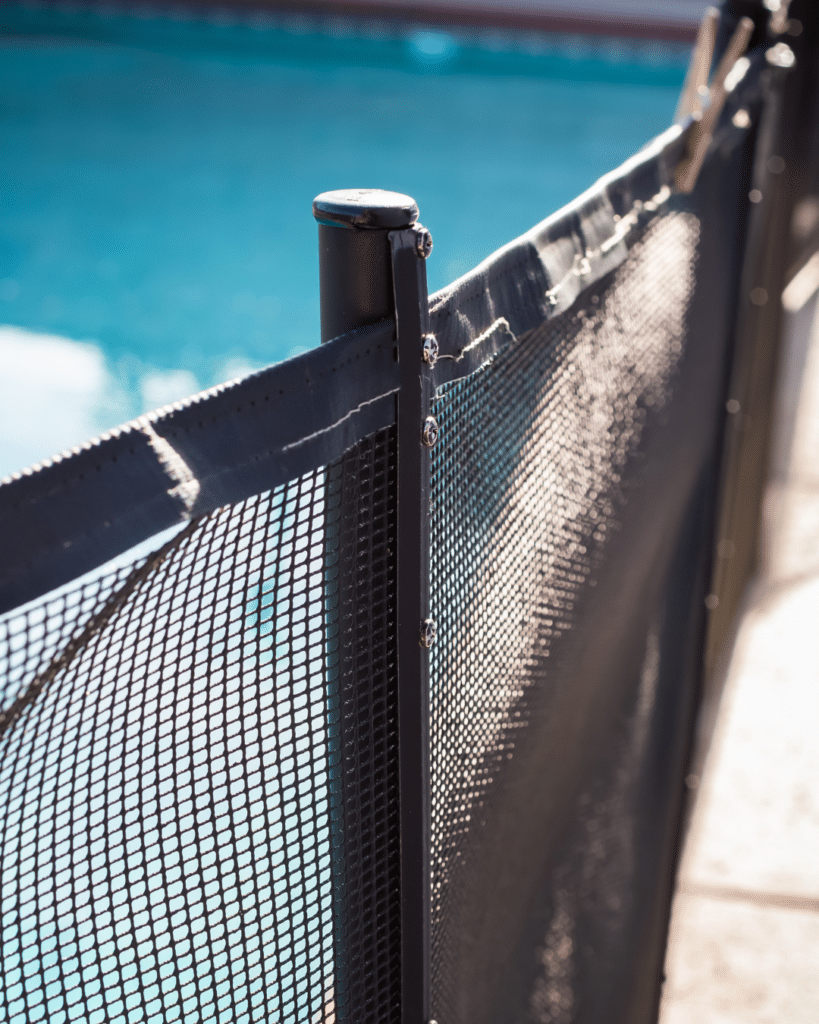
Keep bathroom doors closed and consider toilet lid locks for crawling and toddling-age children. Empty buckets, mop pails, and inflatable pools immediately after use, and store them upside down so they cannot collect rainwater. If you have a backyard pool, hot tub, or pond, install proper fencing with self-latching gates and consider door alarms for any exit that leads to the water.
Talk about water safety in age-appropriate ways from the beginning. Even babies absorb the calm, confident tone you set around water. As your child grows, those early conversations evolve into clear rules and expectations.
Why Floaties Can Work Against You
Many parents reach for inflatable arm floaties, puddle jumpers, or vest-style swim aids thinking they are adding a layer of safety. In reality, these devices often work against the skills children learn in proper swim instruction. They hold a child in an upright, bicycle-kicking position that is the opposite of the horizontal body posture needed for real swimming and floating. Children who rely on flotation toys can develop a false sense of confidence and may panic when they enter the water without them.
For supervised pool play, choose a Coast Guard approved life jacket when one is appropriate, particularly in open water or on boats. Otherwise, let your child experience the water as it really is so the skills from swim class can take root.
Building a Culture of Water Awareness at Blue Dolphin Swim School
Water safety is not a single lesson. It is a mindset that grows through partnership between expert instructors and engaged parents. At Blue Dolphin Swim School, our Baby Love Infant Swim programs are designed to give families the skills, knowledge, and confidence they need to extend safety into every room of the home. We serve families in Arvada, Broomfield, Superior, Erie, Thornton, Louisville, Lafayette, Westminster, and surrounding Colorado communities, offering warm 92-degree water, small class sizes, and experienced instructors who care deeply about your child’s progress.
Register today to start building lifelong water safety habits, or visit our FAQ page to learn more about our infant and toddler programs.
Frequently Asked Questions
You can begin from the very first bath. Even newborns benefit from calm, gentle water exposure and a parent who models relaxed handling near water. As your baby grows, layer in skills like breath cues and supported back floating to match their developmental readiness.
Yes, when done gradually and with a consistent verbal cue, this practice helps your baby learn to control their breathing when their face gets wet. Start with small amounts of water and watch your baby’s response. If they seem distressed, slow down and rebuild comfort over time.
These devices position children vertically in the water, which trains the body to kick and tread in a way that is not natural for swimming or floating. Children can also become dependent on them and feel unsafe without them. Skill-based swim instruction builds real water competency that does not rely on equipment.
Consistency matters more than intensity. Most families see strong results with one weekly group lesson combined with daily practice at home during bath time. For faster progress or more individualized attention, private lessons one or two times per week can accelerate skill development.
Active, undistracted supervision. Stay within arm’s reach during any water activity, including bath time. Designate a dedicated “Water Watcher” at gatherings so that one adult is always responsible for watching the children rather than assuming someone else is doing it.
Swim lessons are a critical layer of protection, but they should always work alongside other safeguards. Pool fencing, door alarms, constant supervision, life jackets in open water, and CPR-trained caregivers all combine to create the layered safety strategy recommended by pediatric and water safety experts.