
Common Water Fears in Babies and How Swim Lessons Help Reduce Them
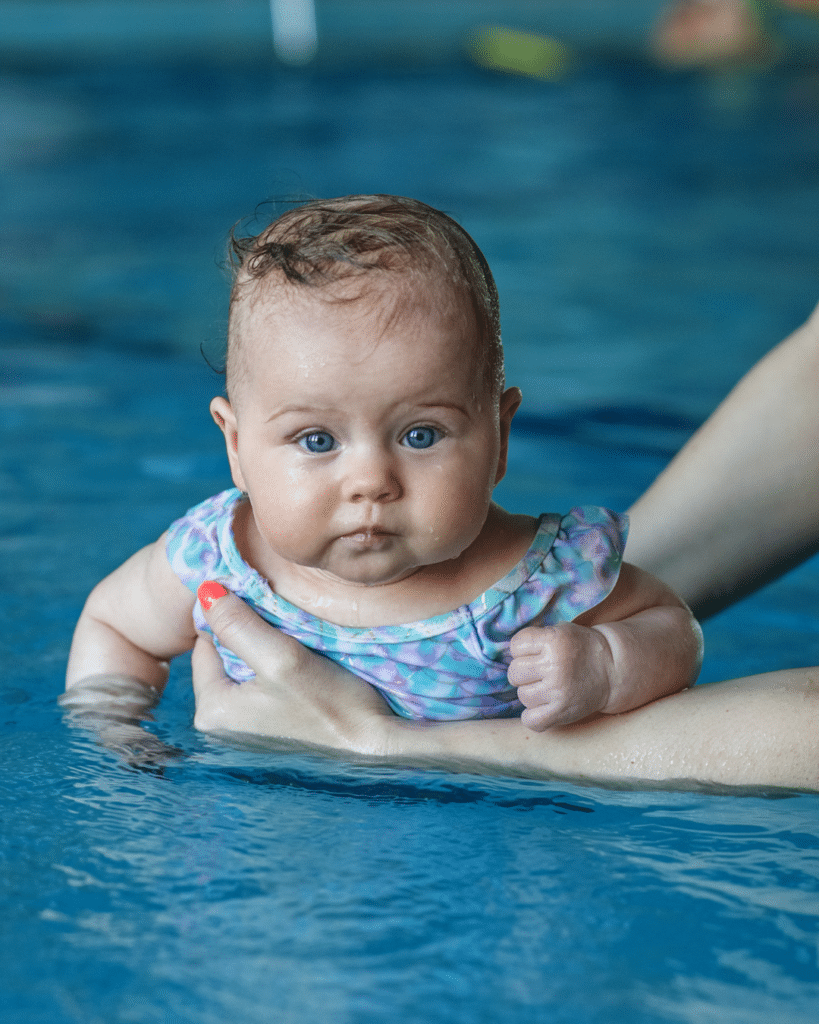
Most parents picture their baby splashing happily in the pool, giggling with every wave. The reality is often more complicated. Many babies who once loved bath time suddenly stiffen at the sight of a pool, cry when water touches their face, or cling tightly to a caregiver the moment their feet leave a solid surface. This shift can feel discouraging, especially for parents who want their child to grow up comfortable around water.
The good news is that water fears are common, developmentally normal, and almost always temporary. With the right approach, babies who feel uncertain about water can transform into confident little swimmers. Professional swim lessons play a powerful role in that transformation by replacing fear with familiarity and unpredictability with calm, consistent routines.
Why Babies Develop Water Fears
Babies are not born afraid of water. Most newborns and very young infants enjoy the warmth and weightlessness of bath time without a second thought. As they grow, however, their awareness of the world expands quickly. By around eight months of age, many babies become more sensitive to new sensations, unfamiliar environments, and the absence of their primary caregiver. This developmental leap is a sign of healthy cognitive growth, but it can show up as sudden hesitation around water.
Understanding the most common sources of baby water fears helps parents respond with patience instead of frustration.
Water on the face and head. This is the single most common trigger. When water drips down the forehead or splashes into the eyes, babies experience an involuntary flinch and may cry. The sensation is unfamiliar and they have no way of predicting when it will end.
Sensory overload. Pools and swim facilities are noisy. Echoes bounce off the walls, other children laugh and splash, and the air may feel warmer or cooler than expected. For a baby still building their sensory map of the world, all of this can feel like too much at once.
Separation anxiety. Water often puts babies in positions where they cannot easily see or hold onto their parents. A back float, a brief submersion, or even being held by an instructor can spike anxiety in babies who are deep in a separation phase.
The sensation of sinking. Losing the firm support of the ground beneath them can feel deeply unsettling. Some babies respond by freezing or stiffening their body, which actually makes floating harder and can deepen the fear.
How Swim Lessons Help Babies Overcome Water Fears
Quality infant swim programs are designed with these exact challenges in mind. Skilled instructors do not rush babies past their fears. They build trust gradually and use specific techniques that turn the unknown into something predictable and even joyful.
Gentle, gradual exposure. Lessons break overwhelming experiences into tiny, manageable steps. Before a baby’s face ever touches the pool water, they may simply watch their instructor splash, hear the verbal cue that signals what is about to happen, and feel water poured gently on their hand or shoulder. This step-by-step approach helps the nervous system adjust without becoming overwhelmed.
Predictable routines and songs. Repetition is calming for babies. When the same songs, phrases, and movements appear in every lesson, your child learns what to expect. Anxiety shrinks as predictability grows, and many babies start to anticipate favorite parts of class with excitement.
Teaching protective reflexes. Instructors help babies associate the cue “ready, go” or a similar phrase with the sensation of water on the face. Over time, this builds an instinctive breath-hold response that gives babies a sense of control and keeps them safer in unexpected situations.
Building trust through connection. Group infant classes typically include parents in the water, which provides a continuous source of reassurance. Methods that involve briefly passing the baby to the instructor and then back to the parent help build independence in small, secure increments. The baby learns that even when their caregiver is not holding them, they are safe and supported.
What Parents Can Do at Home
Lessons work best when daily routines reinforce the same calm exposure to water. Use bath time to gently pour water over your baby’s head, sing the same songs you hear in class, and practice supporting back floats with your hands under their shoulders. Talk to your baby in a steady, cheerful voice during water play, even if they are fussy. Your tone teaches them that water is safe.
Avoid forcing progress. If your baby cries during a particular activity, ease back to the previous step and rebuild comfort. Patience is the most powerful tool a parent can bring to this process.
Gentle, Confidence-Building Swim Lessons at Blue Dolphin Swim School
If your baby is showing signs of water hesitation, you are not alone, and there is a clear path forward. Blue Dolphin Swim School specializes in helping infants and toddlers overcome fear through patient, expert-led instruction in a warm and welcoming environment. Our Baby Love Infant Swim programs serve families in Arvada, Broomfield, Superior, Erie, Thornton, Louisville, Lafayette, Westminster, and surrounding Colorado communities, with 92-degree water and small class sizes designed to nurture every child’s progress.
Learn more about our infant swim program by visiting our Baby Love Infant Swim page, or register today to give your little one the gentle, joyful start they deserve.
Frequently Asked Questions
Water hesitation often appears around six to nine months, when babies become more aware of their environment and more attached to their caregivers. Some children show fear earlier or later, and many move in and out of phases. These shifts are usually a sign of healthy development, not a lasting aversion to water.
Yes, this is very common. As babies grow, they notice sensations they previously ignored, including water on the face, sudden temperature shifts, and the echo of their own voice in the tub. With gentle, patient exposure, most babies move through this phase within a few weeks.
Waiting often makes water fear stronger, not weaker. Structured swim lessons led by trained instructors provide the gradual, supportive exposure that helps babies move through fear instead of avoiding it. Talk to a swim school in advance so they can prepare a slow, compassionate approach for your child’s first session.
Every child is different. Some babies relax within two or three lessons, while others need several months of consistent practice. Regular attendance combined with calm, supportive home routines produces the strongest and most lasting results.
Avoid forcing submersion, raising your voice, or expressing frustration. These responses tend to reinforce the fear. Instead, slow down, return to a more comfortable activity, and use a steady, encouraging tone. Your calm presence is one of the most powerful tools your baby has.
Often, yes. Many parents notice that bath time and hair washing become easier after their baby starts swim lessons. The breath control cues and gradual face-wetting practiced in class transfer directly to everyday routines at home.