

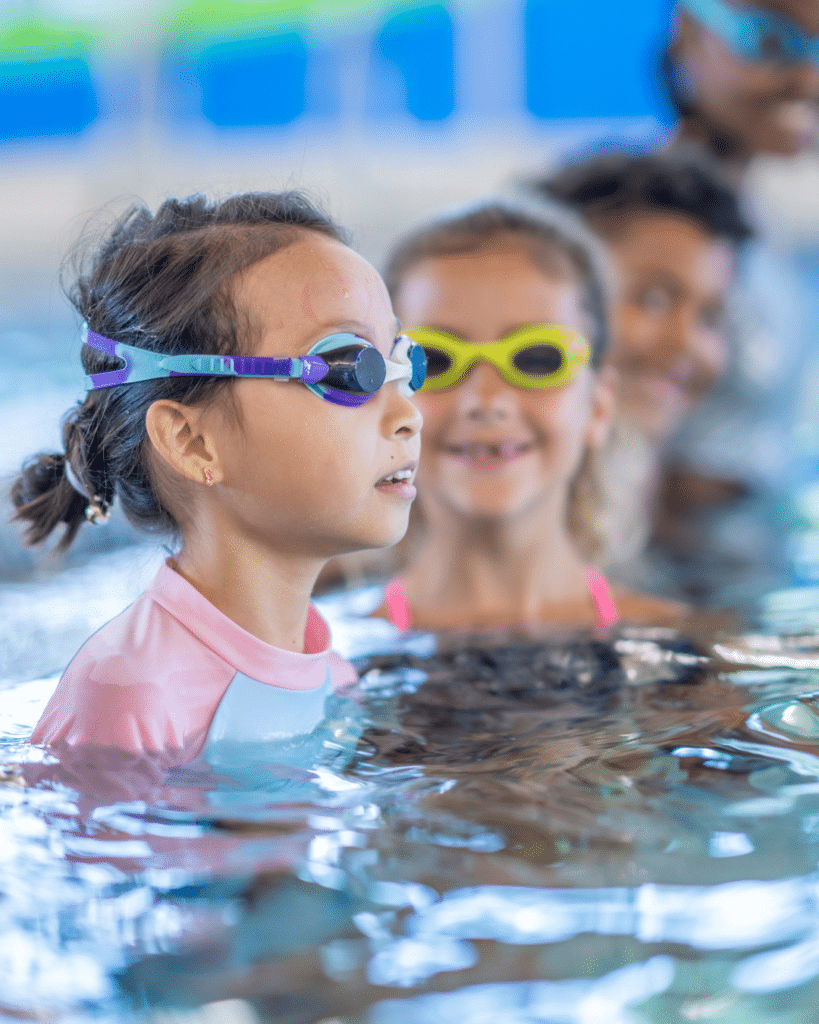
Swimming isn’t just about strokes and safety—it’s also a powerful tool for developing social and emotional growth in children. At Blue Dolphin Swim School, we’ve seen firsthand how swim lessons help kids build confidence, regulate emotions, make friends, and develop life skills that extend well beyond the pool.
Whether you’re enrolling your child in a Swimming Class For Beginners in Erie, CO or searching for Kids Swimming Lessons in Arvada, CO, here’s how regular swim instruction supports your child’s whole development—not just their physical progress.
Social Benefits of Swim Lessons
Teamwork & Cooperation
In group swim classes, kids learn how to work with peers to complete drills, support each other, and celebrate achievements. Whether it’s waiting their turn or cheering on a classmate, students build foundational skills in patience, communication, and teamwork.
Confidence in Communication
Swimming lessons are an excellent environment for kids to practice listening and following multi-step directions, while also expressing their own needs—especially with instructors and peers. These soft skills naturally carry over into the classroom and everyday social settings.
Inclusion & Acceptance
Group classes welcome students of all backgrounds and abilities. Being part of a diverse group in a supportive setting teaches kids empathy and respect for differences, building stronger emotional intelligence and self-awareness.
Emotional Development in the Pool
Confidence Through Achievement
Few things are more rewarding than seeing a child smile after floating on their own or completing a full lap for the first time. These accomplishments, both big and small, build lasting confidence and a strong sense of “I can do it!”
Overcoming Fear
Water can be intimidating for many children—but with consistent support, they learn to face and overcome those fears. Conquering challenges in the pool gives kids the tools to handle obstacles in other areas of life, helping them grow into resilient, self-assured individuals.
Emotional Regulation & Mindfulness
Water has a naturally calming effect, which helps children regulate their emotions, reduce anxiety, and focus. Combined with structured activity, swimming becomes a healthy outlet for energy and a tool for emotional balance.
Patience & Discipline
Learning to swim takes time. Kids must listen, follow instructions, and repeat drills to improve. These habits strengthen their attention span, self-control, and ability to delay gratification—important life skills that support success in and out of school.
Empathy & Social Awareness
Being part of a swim class gives kids the chance to recognize when a peer is struggling and offer encouragement. These small but meaningful interactions help develop empathy and the understanding that growth looks different for everyone.
How Swim Lessons Reinforce Social-Emotional Growth
Structured Environment: Lessons provide a safe, consistent space outside of school and home where kids can practice social and emotional skills.
Motivating Goals: Whether it’s earning a new ribbon or advancing to the next level, swim programs are full of tangible achievements that boost self-esteem.
Shared Experience: For young swimmers, lessons often involve parent participation. These shared routines strengthen the parent-child bond while offering comfort and security in the learning process.
Ready to Build More Than Swim Skills?
At Blue Dolphin Swim School, we take a holistic approach to learning—focusing not just on swim technique, but also on your child’s social, emotional, and personal growth. From first-time swimmers to more advanced classes, our certified instructors are trained to create a supportive and inclusive space that nurtures every child.
If you’re looking for Kids Swimming Lessons in Arvada CO or a Swimming Class for Beginners in Erie CO, now is the perfect time to dive in.
Register today with Blue Dolphin Swim School and help your child grow stronger, more confident, and emotionally resilient—one splash at a time.
FAQ: Social-Emotional Benefits of Swim Lessons
1. Can swim lessons really help my shy child come out of their shell?
Yes! Group lessons provide a low-pressure, supportive environment where shy children can gain confidence through routine, praise, and peer interaction.
2. How do swim lessons teach empathy?
Children naturally begin to notice their peers’ progress and struggles. Encouraging a classmate or offering help builds compassion and social awareness.
3. What emotional skills are reinforced in swim lessons?
Lessons reinforce patience, perseverance, emotional regulation, and the ability to cope with challenges—skills that benefit children at home and in school.
4. Are beginner swim classes suitable for kids with anxiety or fear of water?
Absolutely. Instructors are trained to ease fears gradually, using play-based learning and positive reinforcement to help kids build trust in the water.
5. What role do parents play in supporting social and emotional development through swimming?
Parents who show encouragement, celebrate small victories, and maintain consistency in attendance help children feel secure and supported throughout their swim journey.