
How Infant Swim Lessons Help Prepare Families for Summer Water Activities
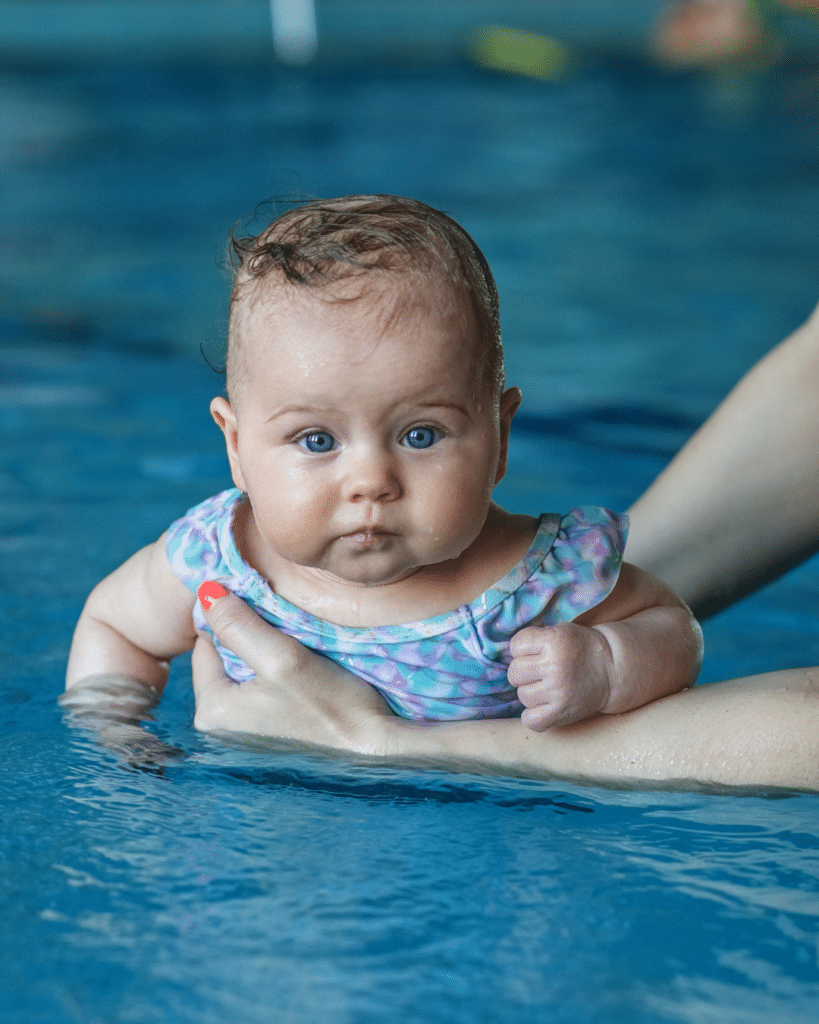
Summer brings backyard pool parties, lake weekends, and beach vacations. For families with babies and toddlers, it also brings a serious responsibility: keeping little ones safe around water. Drowning remains a leading cause of accidental death for children under five, and many incidents happen during the warmer months when families spend more time near pools, ponds, and shorelines.
The good news is that early swim instruction can dramatically shift the safety equation. Enrolling your infant or toddler in structured swim lessons before summer arrives gives your family a head start on water confidence, survival skills, and the safety habits that turn risky environments into enjoyable ones.
Why Early Water Exposure Matters
Babies are naturally curious about water, and that curiosity does not pause for summer. Whether you are visiting grandparents with a pool, heading to a community splash pad, or planning a beach trip, your child will encounter water in ways that demand preparation. Waiting until a child is older to introduce swimming often means missing a developmental window where comfort and confidence are easiest to build.
Infants who experience water in a safe, structured setting tend to approach it without panic. That calmness becomes a meaningful safety advantage during summer outings, when distractions are everywhere and pools, lakes, and oceans are part of the family routine.
Core Benefits That Translate Directly to Summer Safety
Foundational survival skills. Quality infant swim programs teach babies how to respond when they find themselves in water unexpectedly. Skills like rolling onto the back to float, controlled breathing, and reaching for the pool edge create a protective buffer that can make the difference in an emergency.
Reduced fear and panic response. Children who are comfortable being splashed, submerged briefly, and supported on their backs do not freeze or thrash when surprised by water. This composure is exactly what a child needs if they slip into a pool or get caught off guard by a wave.
Improved physical development. Water resistance strengthens core muscles, builds coordination, and supports motor development in ways that land-based play cannot match. Children who swim regularly often show stronger balance and body awareness, both of which help them navigate slippery pool decks and uneven shoreline terrain.
Parent education. Swim lessons are not just about the child. Instructors teach parents how to hold and support a baby in water, what to watch for during open-water play, and how to use Coast Guard approved flotation devices correctly. Many programs also reinforce the idea of designating a sober, undistracted “Water Watcher” at every gathering.
How Families Can Build on Lessons at Home
Formal instruction works best when paired with consistent reinforcement. A few simple habits can extend what your child learns in class:
Make bath time a low-pressure water introduction by pouring small cups of water over your baby’s head, blowing bubbles together, and letting them splash freely. If you have access to a backyard pool or even an inflatable kiddie pool, practice supporting, floating and kicking with your child within arm’s reach at all times. Read books about swimming, talk about pool rules before outings, and treat water safety as a normal, ongoing conversation rather than a one-time lecture. Please monitor your children carefully through any of these activities and drain play pools and bathtubs after use.
These small moments add up. By the time summer is in full swing, your child will feel at home in the water and you will feel more confident supervising them.
Building a Layered Approach to Water Safety
Swim lessons are one essential layer of protection, but they work best alongside other precautions. Install proper fencing around home pools, use door alarms, keep rescue equipment nearby, and never rely on flotation toys as substitutes for adult supervision. Enroll in an infant CPR course if you have not already. When these layers work together, the risk of a tragic accident drops significantly.
Start the Summer Off Right at Blue Dolphin Swim School
If you are searching for “swim lessons near me for babies and toddlers,” Blue Dolphin Swim School offers expert-led infant swim programs designed to prepare your family for everything summer has in store. Our Baby Love Infant Swim classes serve families in Arvada, Broomfield, Superior, Erie, Thornton, Louisville, Lafayette, Westminster, and surrounding Colorado communities. With warm 92-degree water, small class sizes, and experienced instructors, we create a welcoming environment where babies build real skills and parents gain peace of mind.
Register today to give your child the gift of early water confidence, or visit our FAQ page to learn more about our programs.
Frequently Asked Questions
For group infant classes, yes. Parents participate directly in the water with their baby, which strengthens the parent-child bond and teaches caregivers how to handle their child safely in any aquatic setting. Private lessons may have different formats depending on the child’s age and skill level.