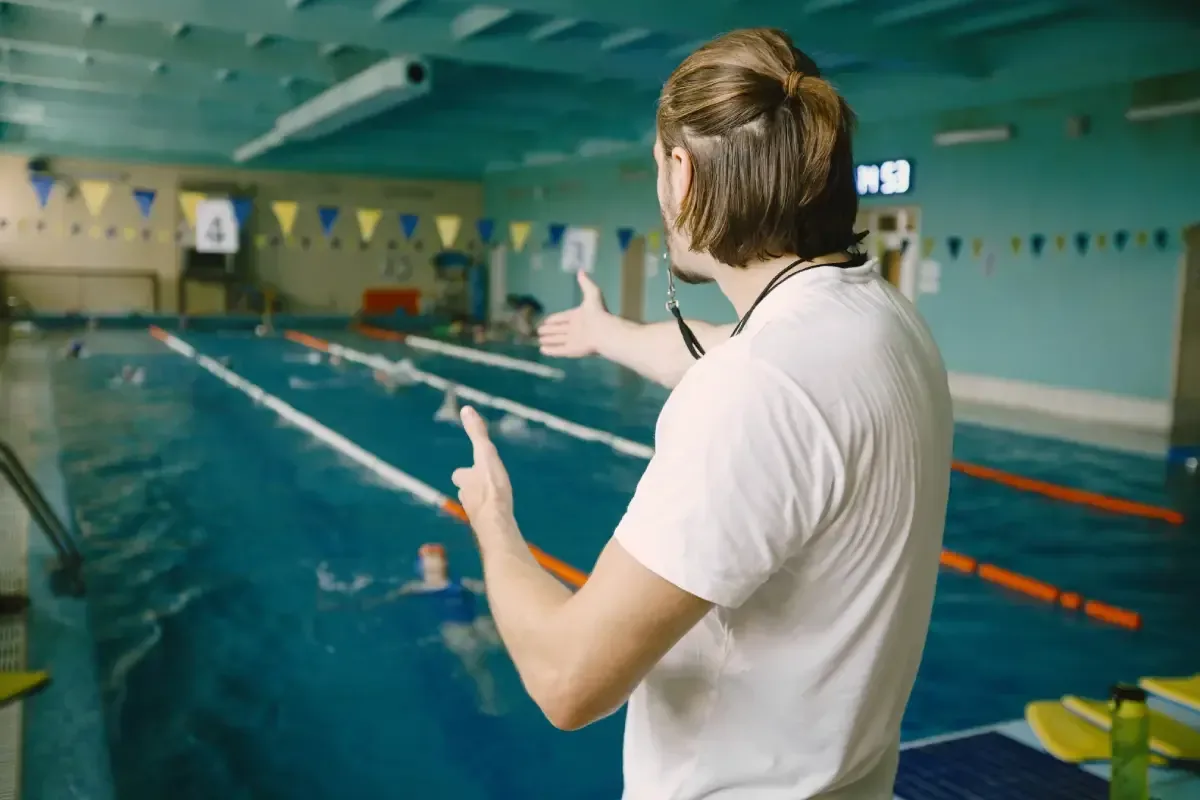
How do I stop panicking when I put my face in the water?
A step-by-step, pool-friendly plan for adults who feel panic when they put their face in the water. Includes simple breathing drills you can use immediately, short progressive exposures to practice in shallow water, practical lesson cues to say to an instructor, and quick environment adjustments that reduce panic during a session.
Updated
why facing the water feels scary
Feeling panic when your face meets water is a normal emotional and sensory reaction for many adults. It can come from a startled reflex, past memories, or the unfamiliar feeling of having part of your body covered and the change in how you breathe and see. Naming the sensations helps you choose a small, deliberate next step.
- common triggers: surprise splash, loss of sight, feeling of restricted breathing, cold water on the face
- recognize your physical signs: faster breathing, tight throat, shoulder tension, speaking faster
- simple mental frame: describe the feeling without judgment (for example, 'I feel tightness in my chest')
quick pre-session steps to reduce panic
Before stepping into the pool, make a few environment and expectation changes that lower the chance of a panic response. These quick adjustments help you feel more control: choose a shallow, warm area; put on goggles; tell your instructor you need slow steps and a stop-signal; and plan a short, familiar warm-up you can repeat each session.
- choose shallow water and stand where both feet touch the bottom comfortably
- use clear, comfortable goggles to reduce splashes into your eyes
- ask the instructor for a simple stop signal (hand raised, 'pause') and confirm they know it
- start in warmer water, and avoid windy or bright glare conditions if those increase your stress
simple breathing drills to practice
Important safety note: never attempt submersion, breath‑holding, or extended apneas alone. Any in‑water breathing or immersion practice should be done only during a lesson under the direct supervision of a qualified instructor; do not practise these exercises by yourself. Within a supervised lesson, use gentle breathing practices that prioritise comfortable, controlled breathing and that you can discuss and adjust with your instructor. Begin by practising breathing on the surface, then explore face‑near‑surface exhalation only as a supervised, optional step. Frame these as short, familiar exercises to try and review with your teacher rather than fixed techniques.
- seated-surface breathing: sit on the pool steps, inhale through your mouth above the water, then exhale at a comfortable pace with lips near the surface; producing small bubbles may help some people become familiar with exhaling close to water — only try this with an instructor nearby
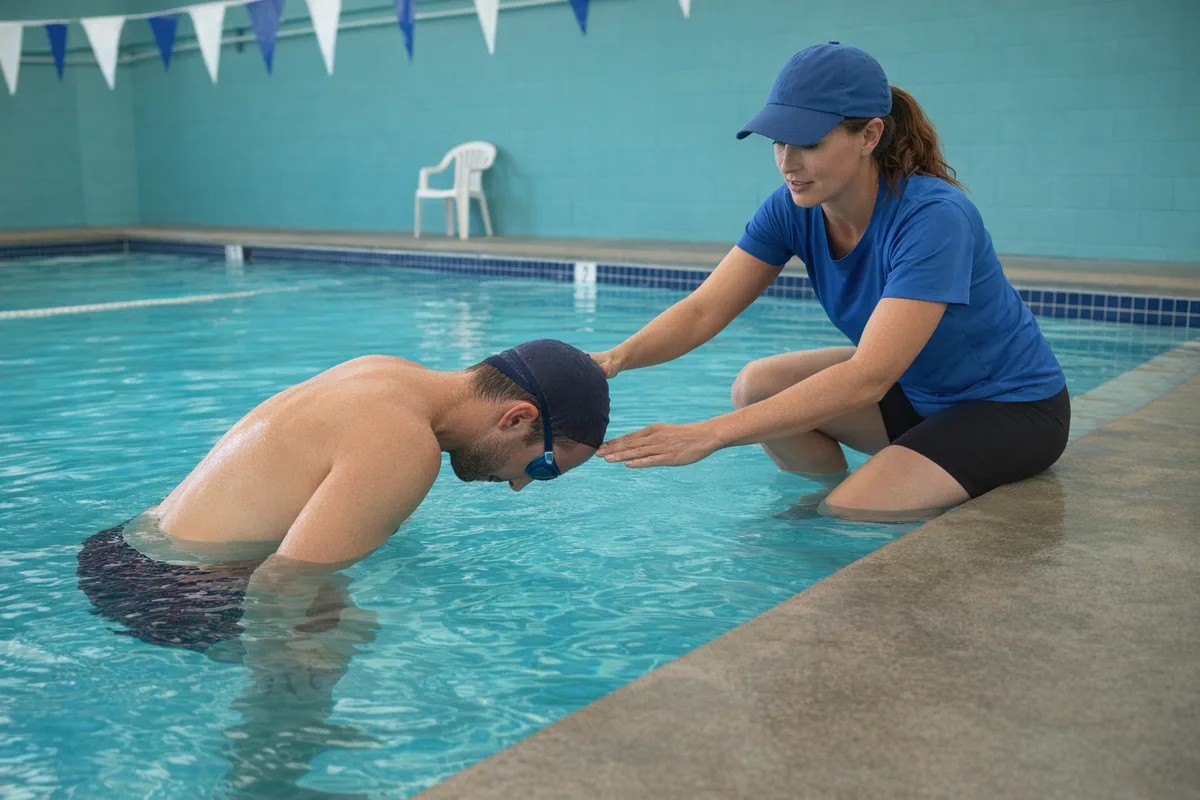
- face-near-surface bubble practice: if you and your instructor agree it is appropriate, lean forward and place your forehead and eyes in the water while experimenting with gentle exhalation to create steady, small bubbles; stop the practice and discuss alternatives if it increases tension
- repeat short cycles only as long as you feel calm; pause, step out, or change the approach when tension rises
- questions to discuss with an instructor: which breathing approaches feel most comfortable, how long to try each step, how to recognise when to stop or change the exercise, and whether hands-on support or flotation aids will be used
short progressive exposures to try in-session
Progress in very small steps, each one only a bit more than the last. Keep exposures short and voluntary and only attempt in-water steps during a supervised lesson. Rather than prescribing a fixed sequence, frame each step as a topic to plan with your instructor so you both agree when to try, how long to stay, and what support is available.
- step 1: touch the water with fingertips and splash the face lightly — discuss with your instructor how much splash feels manageable
- step 2: put cheeks or chin in the water while standing in shallow water — agree on a recovery plan with your instructor before you try
- step 3: bring forehead and nose to the surface and practice exhaling bubbles only if your instructor is close and you have a clear stop signal
- step 4: consider full-face immersion as a supervised option to discuss with your instructor; do not attempt full-face submersion, breath‑holding, or extended apneas alone or without explicit, real‑time supervision
practice cues and phrases to use in lessons
Short, clear phrases help your instructor give you the exact support you need. Using agreed cues keeps the lesson predictable and lets the teacher respond quickly. Keep language simple, mention any equipment you prefer, and use a nonverbal stop signal when you need a break. Review these cues before the class starts.
- phrases to use: 'slow steps please', 'more support at my chest', 'can we pause?', 'let’s repeat the last step'
- nonverbal cue: raise one hand or tap the pool edge to indicate an immediate pause
- equipment cue: 'goggles on' or 'kickboard please' to request tools that increase comfort
- discuss hands-on support before trying in-water practice: ask your instructor whether they would use physical contact, where that contact would be, and how you will signal if you want hands-off assistance
what to discuss with your instructor
A short conversation with your instructor before the lesson can help set clear expectations and pacing. Share what usually triggers your panic, which steps feel manageable, and what sign you will use to stop if needed. Ask about progressions, recovery windows, and how they can support you during specific steps.
- describe past reactions and the specific steps you want to practice
- agree on a simple, visible pause signal and confirm how the instructor will respond
- ask about modified progressions, frequent recovery breaks, or the use of a flotation aid if that feels helpful
- discuss whether the instructor will provide hands-on support, what form it will take, and confirm you are comfortable with any planned physical contact
quick ways to reset if panic starts during a rep
When panic begins, use immediate, easy resets to regain comfort. Move to a standing position in shallow water, remove goggles if they feel tight, and focus on face‑out breathing above the surface until your breathing steadies. Use your agreed pause signal so the instructor knows you need a break; get hands-on assistance only if the instructor offers it and you have previously agreed to that approach.
- step out to shallow water or sit on the stairs to reorient
- remove goggles and focus on calm, comfortable breaths above the surface
- use your agreed pause signal so the instructor knows you need a break
Pause & prepare
Take three questions to your next lesson
Think through each question and check it when you have something to discuss. This is a conversation prompt, not a readiness test.
0 of 3 questions considered
Questions you might have
are goggles helpful for people who panic when putting their face in the water?
Many adults find goggles useful because they reduce water splashing in the eyes and let you keep your eyes open underwater. Try clear, comfortable goggles and adjust the straps while seated on the pool edge. If goggles feel claustrophobic, discuss alternatives with your instructor.
how should i pace my practice between lessons and solo sessions?
Plan pacing with your instructor so practice matches your goals and safety needs. For independent practice, limit activities to surface-level, low‑risk familiarity (for example, getting comfortable with goggles and surface breathing at the pool edge). Any in‑water immersion, submersion, or exercises that involve exhaling into the water should be done only during supervised lessons with a qualified instructor present — do not attempt those steps alone.
what if i have a very strong panic reaction even after trying these steps?
If panic remains strong despite gradual progress, talk with your instructor about longer-term strategies and potential referrals. Instructors can suggest adapted progressions, additional support resources, or a slower timeline. If your reaction is severe or tied to past trauma, consider seeking supportive care from a qualified professional in addition to swim instruction.
should i avoid group lessons if i panic putting my face in the water?
Group lessons can work well for some adults and not for others. If you prefer more individualised pacing and privacy, ask about private lessons or smaller classes. Discuss your comfort level with the program coordinator so they can suggest the best class type and teacher for your needs.