What Should Parents Know Before Their Child Joins the Blue Dolphin Elite Swim Team?
4 min read
By Blue Dolphin Swim School
Your learning focus
A clearer picture before the next step.
Learn what parents should know before their child joins the Blue Dolphin Elite Swim Team, from training commitment and skill readiness to fostering support and team success. At Blue Dolphin Swim School, the Blue Dolphin Elite Swim Team (BD Elite) is the bridge between Learn to Swim lessons and the competitive side of swimming. Browse the website for more details.
As your child develops basic swim skills , it may be time to explore team-style training. At Blue Dolphin Swim School, the Blue Dolphin Elite Swim Team (BD Elite) develops technique and endurance in skill-based groups. Moving from beginner lessons into BD Elite is not automatic; discuss the Intermediate pathway, current abilities, and placement with the school.
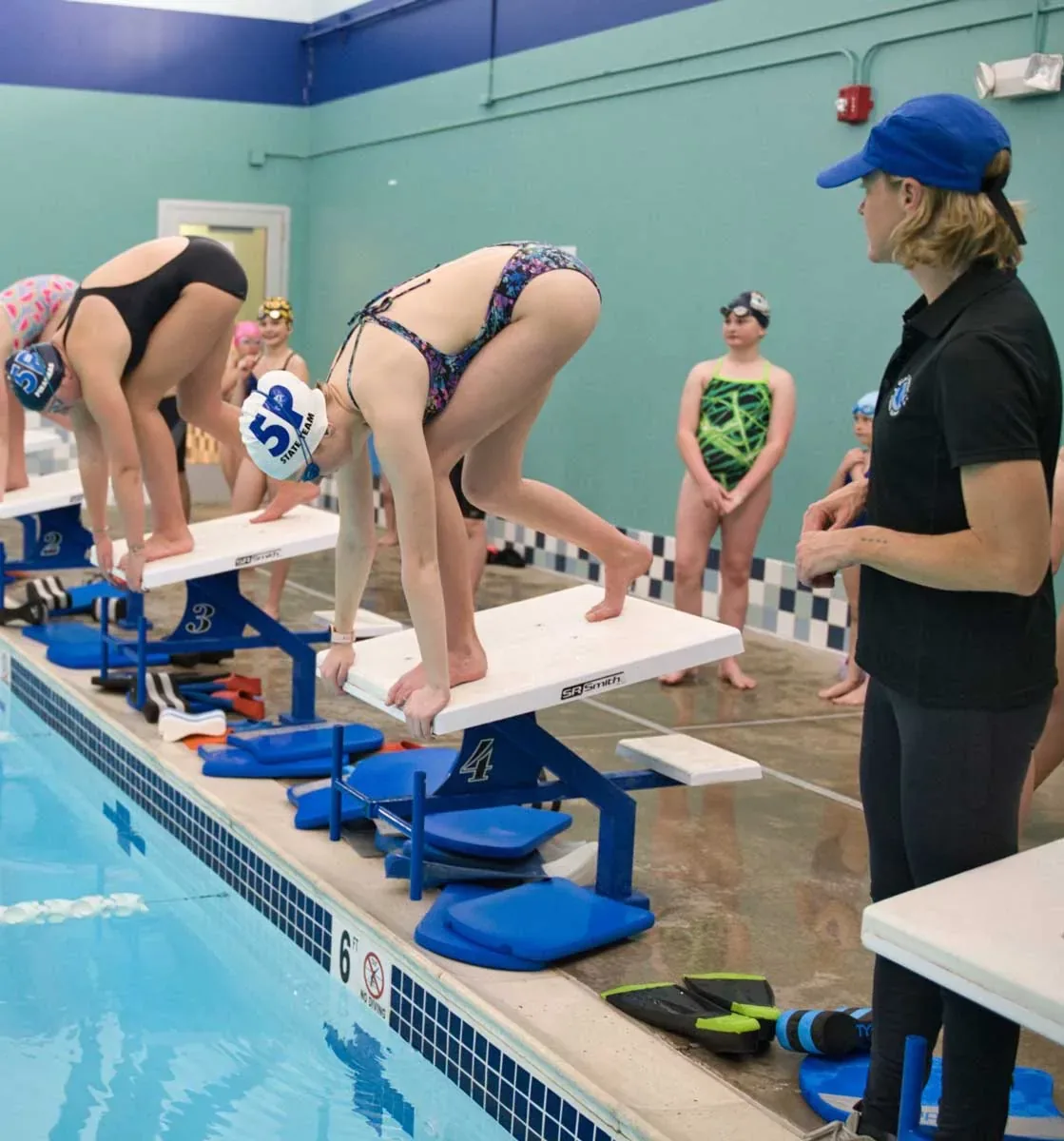
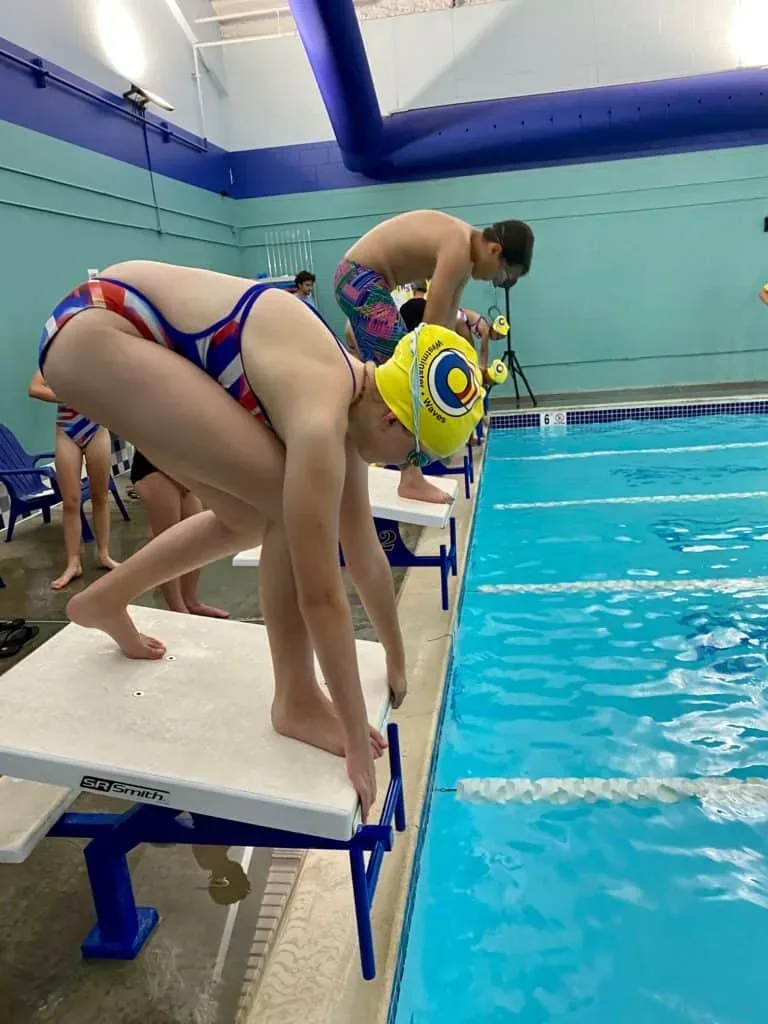
The detailed program page describes work on stroke technique, stamina, pace, interval sets, racing starts, and turns. Use those goals to understand the next stage, then confirm which level is appropriate for your swimmer.
What Is the Blue Dolphin Elite Program?
Blue Dolphin’s detailed BD Elite page lists ages five to eighteen and four skill-based levels: Pre-Team, Bronze, Silver, and Gold. Placement also depends on readiness and the level’s actual prerequisites. The named levels describe the school’s curriculum, not universal competition age categories.
BD Elite lists the attendance expectations below. Before making plans, confirm the current timetable and enrollment option for the level your swimmer will join.
-
Pre-Team: listed at one or two practices per week, with a 45-minute class.
-
Bronze: the overview states at least two practices per week. Confirm the current class times and weekly enrollment option directly with the school.
-
Silver: the overview lists three practices per week. Confirm the actual session timetable when enrolling.
-
Gold: the overview lists three practices per week. Confirm the actual session timetable when enrolling.
The page lists classes across the program at 45–90 minutes. Its progression benchmarks become more demanding by level; these benchmarks should not be confused with the requirements for initially entering a group.
What Skills Should Swimmers Have Before Joining?
Placement follows completion of the previous school level or an appropriate assessment. For Pre-Team, the program page gives an alternative: complete High Dolphin, or demonstrate the listed equivalent skills.
-
Pre-Team: High Dolphin completion, or equivalent skills listed by the school—100 yards freestyle, 100 yards kicking, 50 yards backstroke, introductory butterfly and breaststroke over 25 yards each, two minutes treading water, and an introductory dive. Ask the school to assess the swimmer rather than testing these independently.
-
Bronze follows successful completion of Pre-Team, or an assessment arranged with the school. Silver similarly follows Bronze or assessment. Their published workout sets are progression benchmarks, not a general entry test for every level.
-
Gold follows successful completion of Silver, or a school assessment. The published Gold workout intervals describe goals for progression; they should not be treated as prerequisites that every new entrant must already satisfy.
The page describes starts, turns, pace-clock use, and level-specific technical expectations. Ask the coach which skills are being introduced now and which should be consistent before advancing.
Preparing for the Competitive Side
Team-style training introduces structured practice and greater independence. Helpful questions and habits include:
-
Ask how swimmers learn practice routines and follow instructions.
-
Discuss goals and how the coach communicates feedback.
-
Ask how endurance and interval practice are adapted to the level.
-
Encourage respectful lane sharing, effort, and support for other swimmers.
-
Ask whether the group includes time trials or meets, and what participation involves.
Ask how training, time trials, and meets fit your child’s particular level. Confirm whether event participation involves separate registration, fees, or governing-body membership before making a commitment.
Gear, Health, and Cross-Training
Before buying or packing equipment, ask what the exact group requires. Useful items to discuss include:
-
A snug swim cap and a pair of reliable goggles
-
A competitive swimsuit suitable for endurance sets
-
A water bottle and towel
-
Positive energy and motivation!
Ask the coach whether any activities outside the pool are recommended for your swimmer. Do not assume that a BD Elite class includes a particular cross-training program. Keep rest and hydration part of the family’s planning, and seek individual advice where needed.
How Parents Can Support the Swim Journey
Parents play a crucial role in supporting their swimmers. Here's how:
-
Stay informed: Understand the requirements and practice schedule for your child’s level.
-
Encourage effort over perfection: Every child develops differently, so focus on progress, not comparison.
-
Celebrate milestones: Completing a level or improving a time in a swim test is a big deal—celebrate it!
-
Promote balance: Support your child’s need for rest, fun, and time with friends, alongside swim training.
The program page describes ongoing coaching feedback. Agree on how to ask questions, understand progress, and discuss placement with the school, rather than assuming that all groups use the same evaluation timetable.
Take the Next Step
BD Elite may be a useful next step for a swimmer ready for its skill-based training. Review the detailed program page and arrange a placement conversation before enrolling; program membership is not itself proof of eligibility for another club or meet.
Register Now and explore placement options based on your child’s current swim level.
FAQ: Blue Dolphin Elite Swim Team
What’s the difference between Learn to Swim and BD Elite?
Learn to Swim develops beginner skills, and Intermediate develops greater stroke competence and endurance. BD Elite offers team-style, skill-based training. Use the school’s placement guidance rather than treating the move from beginner lessons as automatic.
What age should my child be to start BD Elite?
The detailed BD Elite page lists ages five to eighteen. Placement also depends on readiness and the level’s prerequisites. Discuss your swimmer’s current skills and appropriate group with the school.
Does my child need to compete in meets?
Confirm the current expectations for your child’s group. Ask separately about training, time trials, meets, and registration rather than assuming that the same competition policy applies to every level.
What skills are tested for placement?
The page’s Pre-Team entry list includes High Dolphin completion or an equivalent set of skills. That list includes introductory breaststroke over 25 yards, not a universal 50-yard breaststroke entry test. Advanced groups follow completion of the prior level or assessment. Review the full requirements with the school.
Can my child still participate if they have anxiety about competing?
Tell the instructor about your child’s concerns and ask how the group supports swimmers who need more time. A placement conversation helps determine whether the current level and environment suit the swimmer.
Pause & put it together