Private or group swim lessons: what fits your child?
Compare attention, comfort, feedback, and class structure before choosing your child’s next swimming lesson.
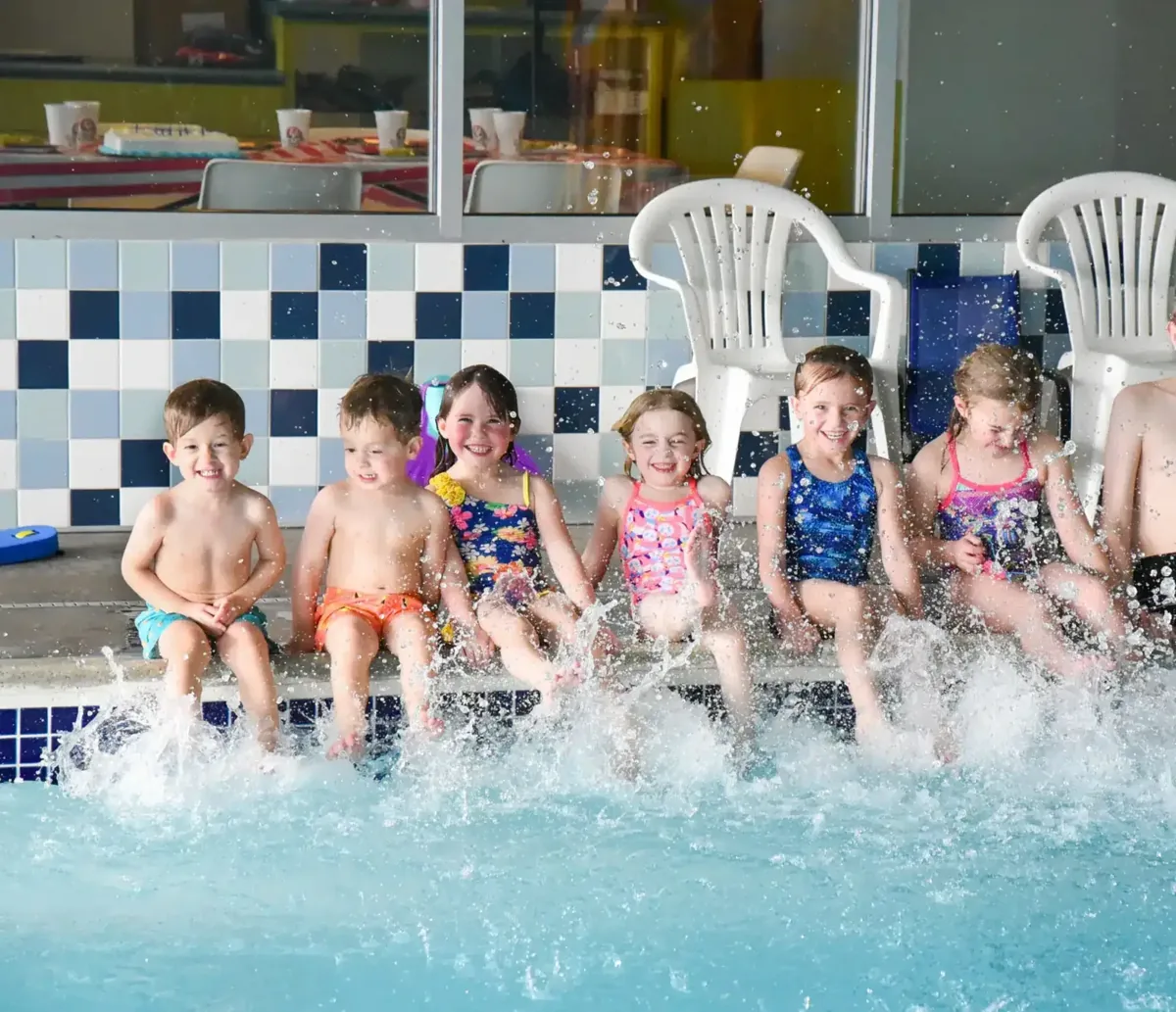
What is the main difference between private and group lessons?
Private lessons give the instructor one swimmer to focus on; group lessons divide that attention among several swimmers. The better fit depends on your child’s comfort, current skills, and the structure of the specific class. Ask how much individual feedback and active practice each swimmer receives, rather than choosing by format alone.
Compare the experience
What changes with the class format?
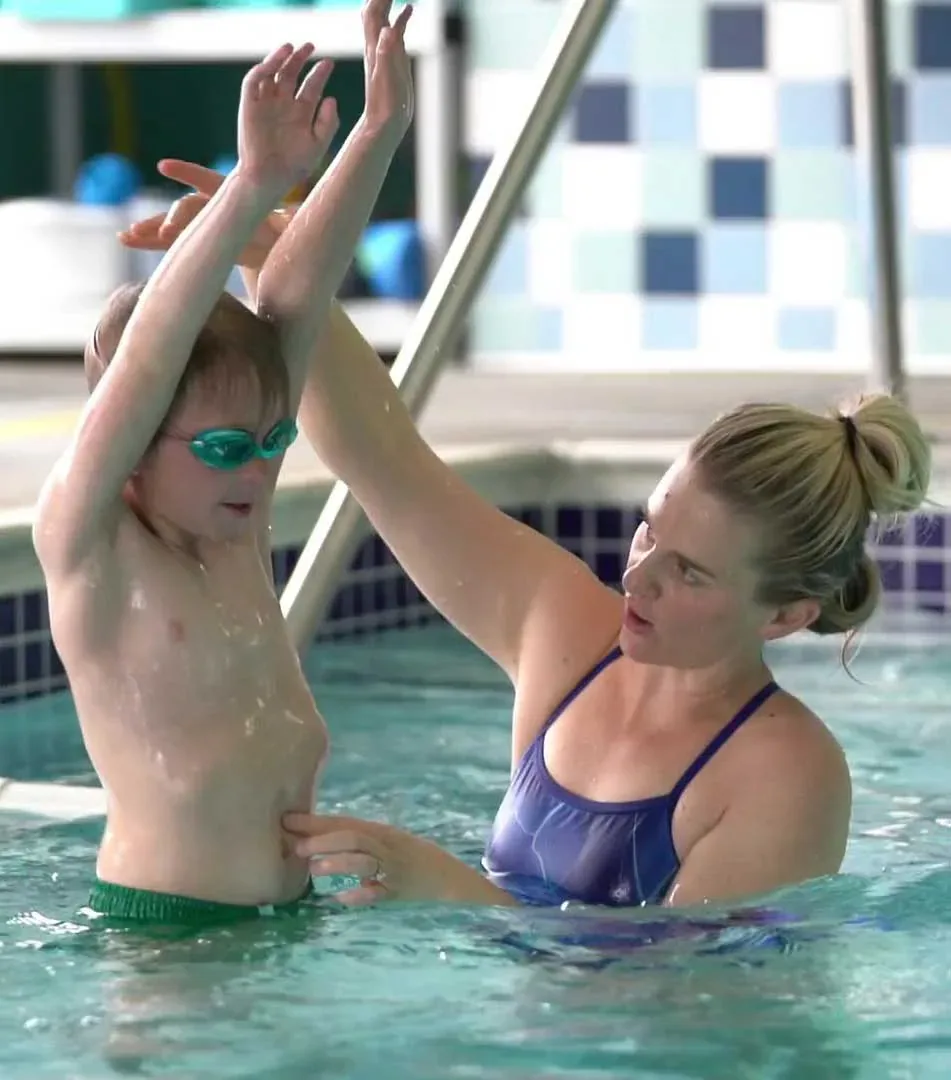
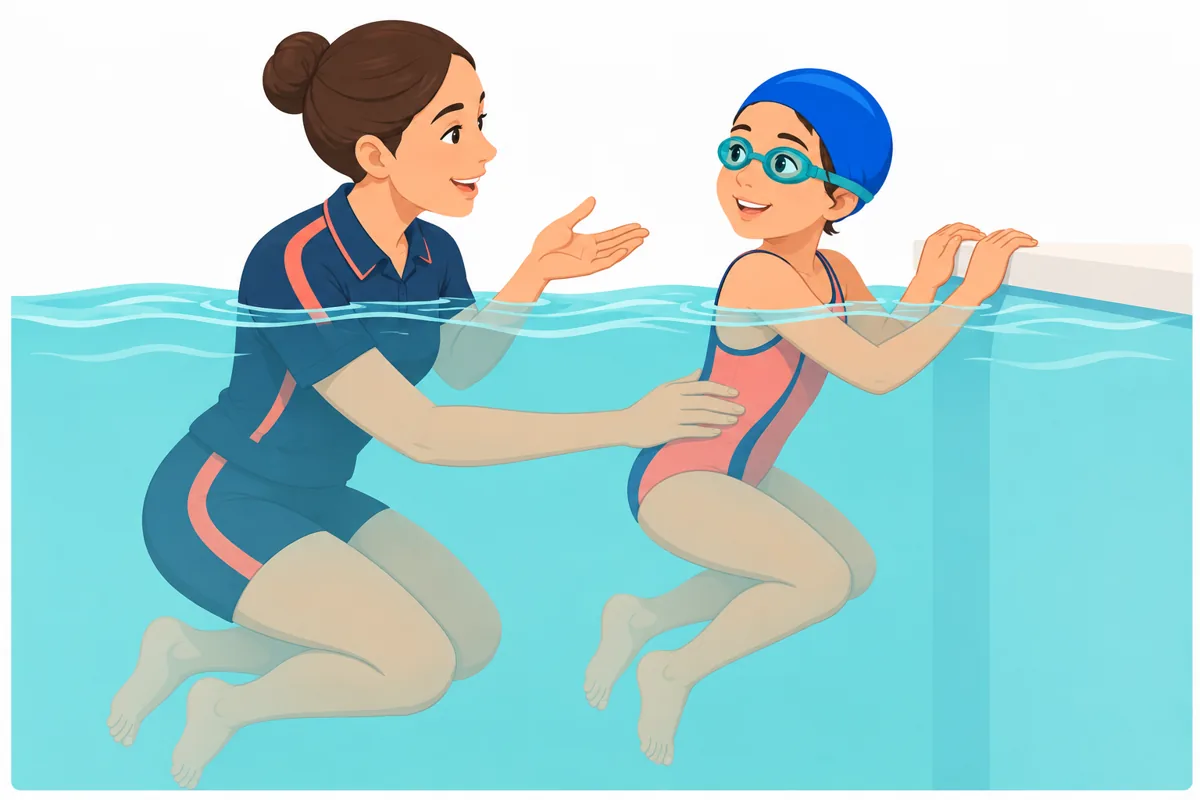
One swimmer, individual attention.
Ask how the instructor adapts the pace, discusses a particular concern, and communicates progress. Individual attention does not guarantee faster learning.
A useful question: How will you adapt the lesson if my child needs more time?
When might private lessons be helpful?
Individual attention can make it easier to discuss a specific concern, adjust the pace, or work on a skill that needs more explanation. It does not guarantee faster progress. Ask how the instructor will adapt the lesson, what goals will be discussed, and how you will hear about progress.
- Explain concerns about water, separation, or unfamiliar environments.
- Ask how the lesson changes if the child is tired or overwhelmed.
- Confirm the actual lesson duration and whether the coach is in the water.
What should you look for in a group class?
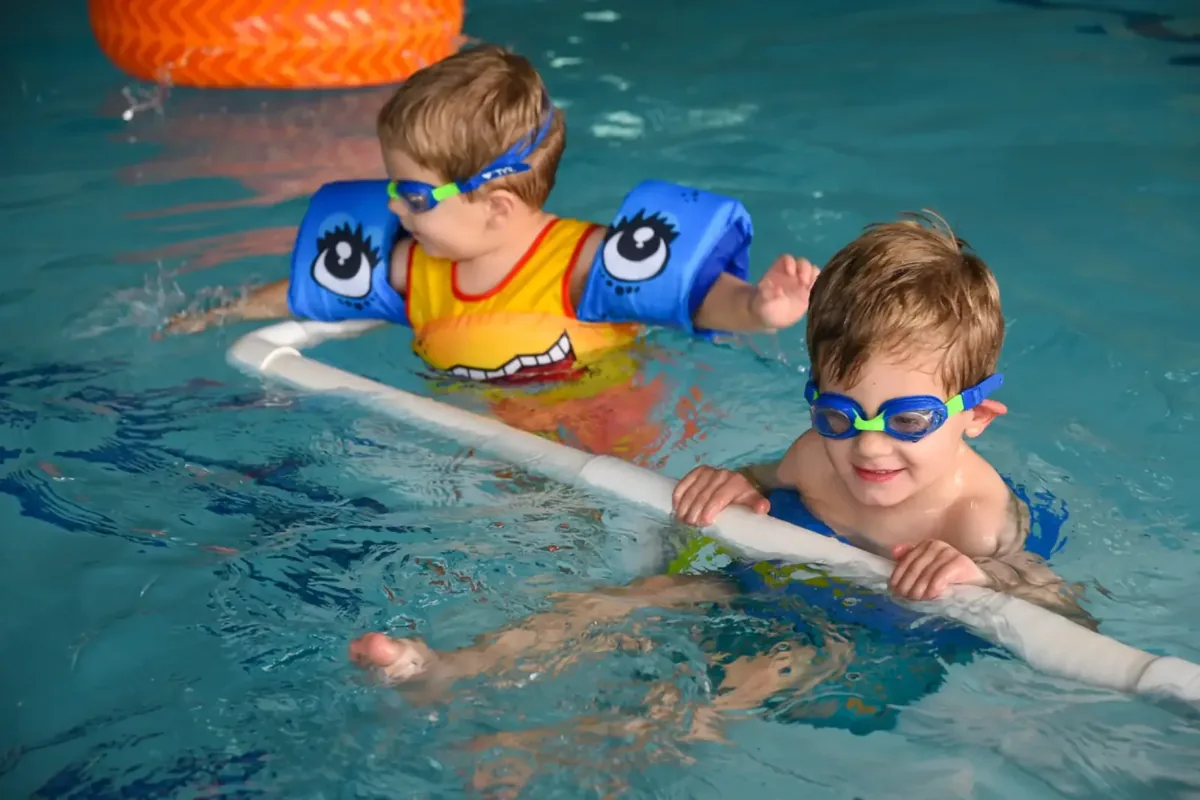
Look at the match between swimmers’ skills, the teacher’s supervision, and what children do while waiting for their turn. A small group can still be a poor fit if abilities differ too widely. Observe a class where possible and ask how the instructor supports a child who needs more time.
- Ask for the maximum class size for the exact program.
- Check how the school groups children by skill as well as age.
- Ask what happens when a swimmer is ready to progress.
How do you make the decision?
Bring three observations to the school: your child’s response to water, any previous instruction, and what you hope the next step will be. Let those observations guide a placement conversation. At Blue Dolphin, the Learn to Swim page describes the beginner pathway; confirm availability and current options before choosing.
Questions you might have
Are group lessons always cheaper?
Compare current pricing, session length, and frequency directly with the school. Do not assume that two lesson formats include the same amount of instruction.
Can my child change formats later?
Ask the school about availability and placement. A useful first choice does not need to become a permanent commitment.