Infant Swim Lessons and Drowning Prevention: What Parents Should Know
4 min read
By Blue Dolphin Swim School
Your learning focus
A clearer picture before the next step.
Understand the limits of infant water play, readiness for lessons, and the supervision and barriers families need around water.
Drowning is a leading cause of death in children ages one to four. Prevent unsupervised access, maintain close and constant supervision, use appropriate life jackets, and consider developmentally appropriate lessons.
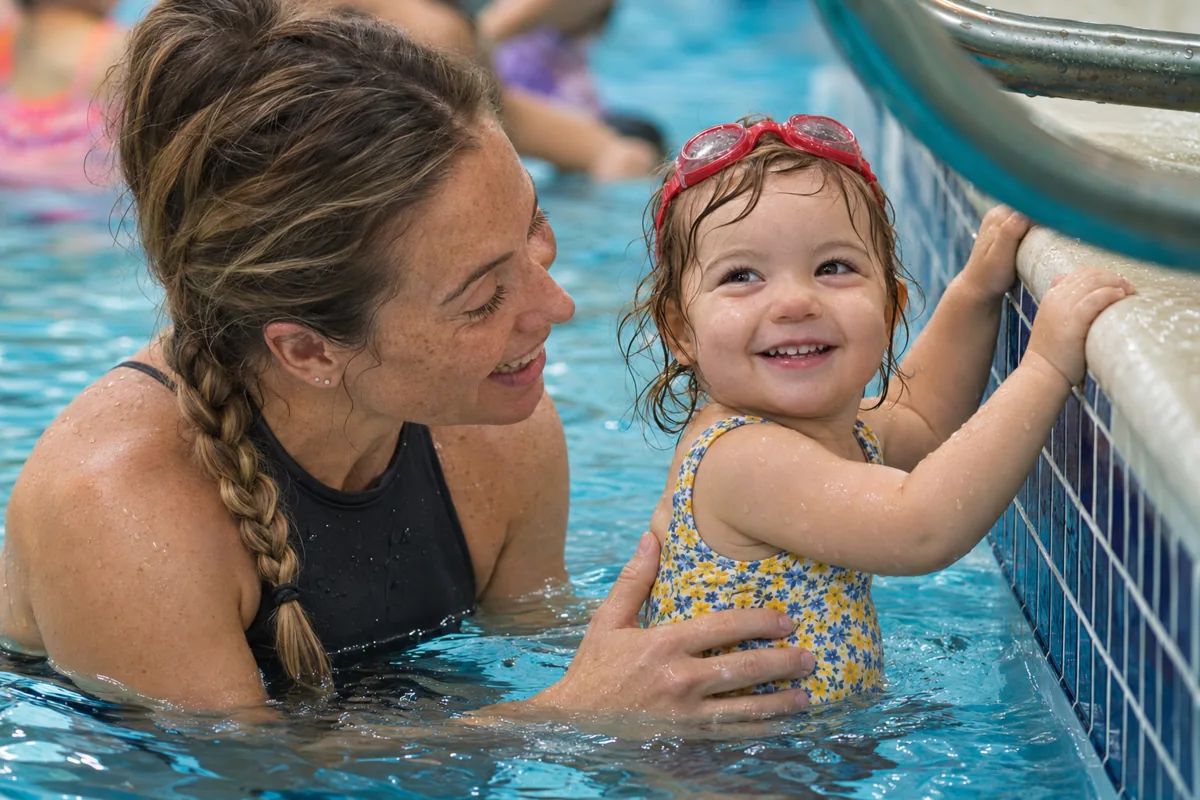
Infant water play and lessons for older children have different purposes. Baby Love introduces supported experiences and parent participation; no infant class establishes that a baby can self-rescue.
Why Drowning Prevention Must Start Early
Each year, thousands of families visit the emergency department due to water-related injuries. And yet, drowning is often silent—no splashing or yelling—making it harder to catch in time. In fact, the World Health Organization classifies drowning as one of the top threats to child survival globally.
For babies younger than one, supported pool experiences can introduce shared water play. Reflex movements and floating in class are not dependable independent swimming, and infant programs have not been shown to lower drowning risk.
Key elements of early swim lessons include:
- Getting used to liquid on the face and head
- Learning how to keep the brain calm in water
- Floating on the back to conserve oxygen
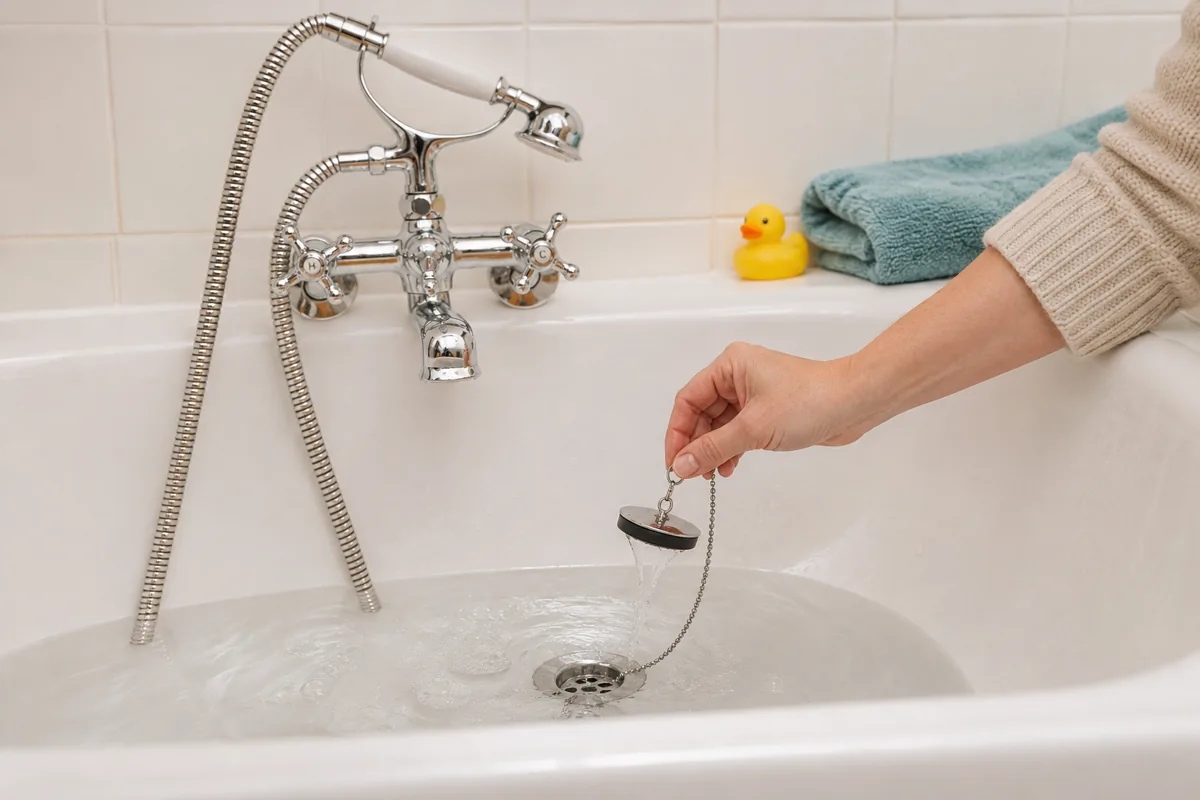
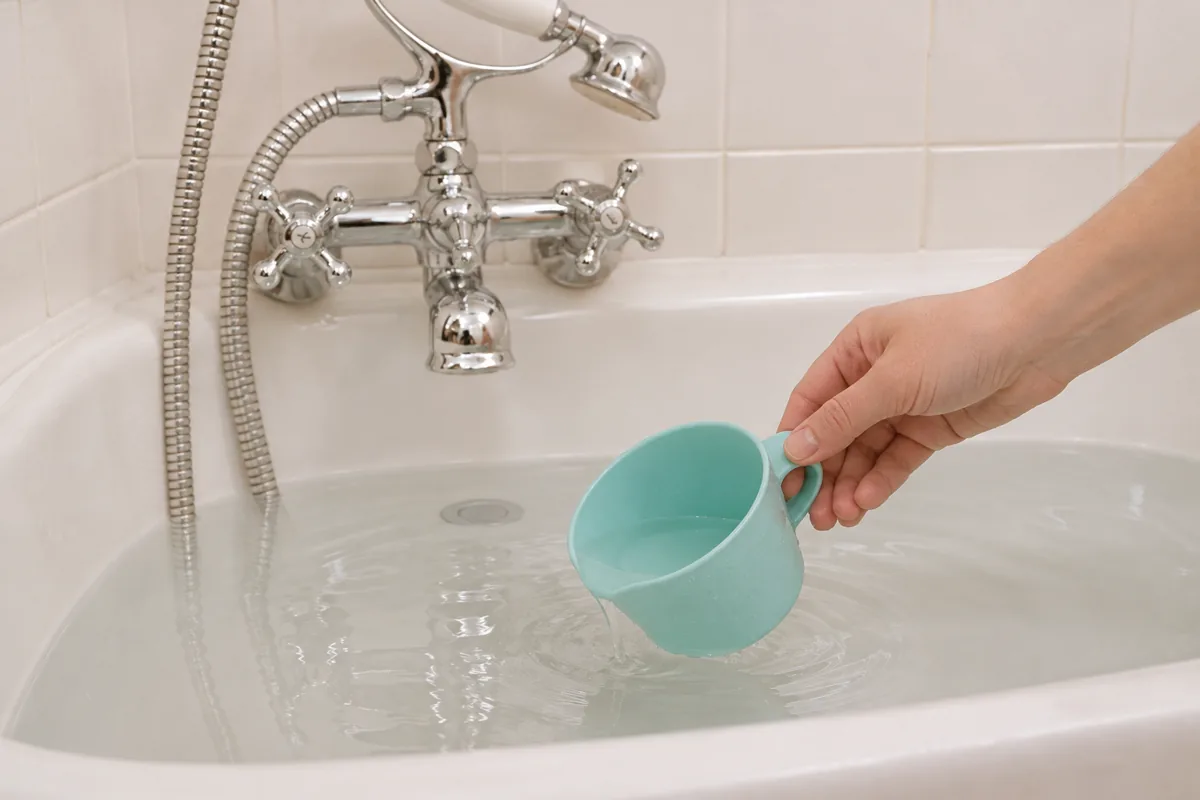
- Supported parent-child water play in an appropriate pool; no infant swimming drills in hot tubs or bathtubs
What the Evidence Does and Does Not Show
The AAP distinguishes infant water play from lessons for developmentally ready children, which may begin around age one. Findings about children ages one to four must not be applied to babies younger than one. Discuss readiness with your pediatrician.
Alongside the actual lesson goals, families can discuss these separate safety responsibilities:
- Building endurance and safe behaviors in and around water
- Teaching parents to act as water watchers—alert, sober, and distraction-free
- Seek current CPR and first-aid training from an appropriate provider. Do not assume those courses are included in a swim lesson or offered by the school.
Swim Lessons as More Than a Sport
Swimming skills develop over time. Infant classes focus on supported participation and a positive shared experience, without promises of emergency performance.
We also teach awareness of dangers in places like:
- Toilets or toilet seats
- Boats without personal flotation devices approved by the United States Coast Guard
- Open bodies of water like rivers, oceans, or areas near drainage systems
Children are also introduced to safe pool behaviors: never swim without an instructor, never touch a drain, and always swim where a lifeguard is present.
Creating Safer Environments Around Water
Preventing access to water is just as important as what children learn in the pool. That’s why we educate parents on:
- Installing proper fences and gates around pools
- The importance of the Virginia Graeme Baker Pool and Spa Safety Act
- Avoiding distractions like alcohol when supervising swim time
- Recognizing symptoms of pulmonary edema, cyanosis, or hypothermia in cold water
- Securing access to the bathroom, bathtubs, and toys that might attract children to water
Why Parents Matter in the Learning Process
Parental involvement is vital, especially in early classes. Whether you choose private lessons or group instruction, your presence helps reduce fear, increases comfort, and allows for better skill retention. Even infants benefit from consistent exposure, positive reinforcement, and being part of a caring community focused on injury prevention.
Before enrolling, ask about the actual instructor's qualifications, supervision procedures, and emergency preparation. A job title or program description does not verify medical training or a particular certification.
FAQs: Infant Swim Lessons & Drowning Prevention
Can swim lessons really prevent infant drowning?
There is no evidence that infant programs for babies younger than one lower drowning risk. For older children who are ready, lessons can be one part of a broader safety plan.
At what age should swim lessons start?
The American Academy of Pediatrics recommends beginning lessons around age 1. However, earlier classes can help infants become more comfortable and bond with caregivers in water.
Are home pools safe if I supervise?
Not without proper layers of protection. Install a fence, use a self-closing gate, keep drains compliant with federal laws, and always act as a dedicated water watcher—no texting, drinking, or multitasking.
What should a swim lesson for infants include?
Ask about qualifications, parent participation, supervision, and age-appropriate activities. Forced submersion and practiced reflexes do not establish safety.
What are warning signs of a water-related emergency?
Seek emergency help immediately if a child is struggling to breathe, becomes unresponsive, or has concerning symptoms after a water incident. This article does not replace emergency assessment or formal rescue and CPR training.
Can my child “grow out” of fear of water?
Fear must be gently addressed through learning, exposure, and support—not avoidance. Positive swim experiences early on can reduce anxiety and improve long-term confidence.
Discuss Your Child’s Next Step
Drowning prevention requires several protections working together. Skills learned in a class never remove the need to prevent unsupervised access and maintain close, constant adult supervision.
Blue Dolphin Swim School offers infant water experiences and programs for older learners. Review the actual lesson goals and ask about qualifications and supervision before enrolling. No class or curriculum makes a child safe from drowning without other precautions.
Join us and give your child the skills that truly save lives. Visit www.bluedolphinswimschool.com to enroll today.
Further reading: AAP guidance on swim-lesson readiness and the limits of infant water play.
Pause & put it together