Water Safety Starts at Home: How Infant Swim Lessons Reinforce Safe Habits
5 min read
By Blue Dolphin Swim School
Your learning focus
A clearer picture before the next step.
Water safety starts at home. Discover how infant swim lessons, bath-time practice, and daily supervision help reinforce essential skills and build lifelong water confidence. Browse the website for more details.
For parents of babies and toddlers, water safety is not just a poolside concern. Bathtubs, buckets, toilets, kiddie pools, and even pet water bowls can pose real risks to curious little ones. The most effective approach to keeping young children safe is one that extends far beyond a weekly swim class. When you reinforce the skills and habits your child learns in the pool throughout your daily routine, you build a layered safety net that protects your family every day of the year.
Families can carry useful habits home: keeping an adult attentive, checking access to water, and noticing a child's comfort. Infant water play does not make a baby capable of self-rescue.
How Swim Lesson Skills Translate to Home Life
A supported class can introduce handling, communication, and comfort in the pool. At home, prioritize preventing access to water rather than rehearsing infant survival responses.
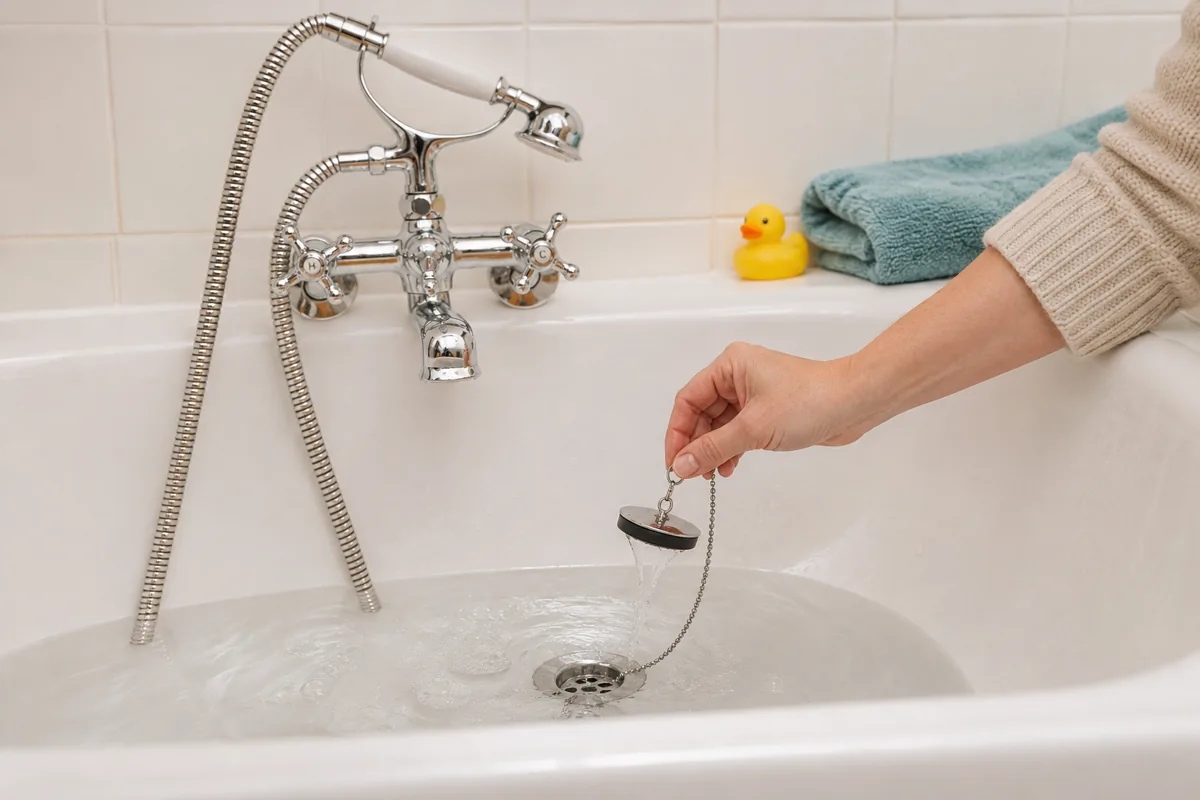
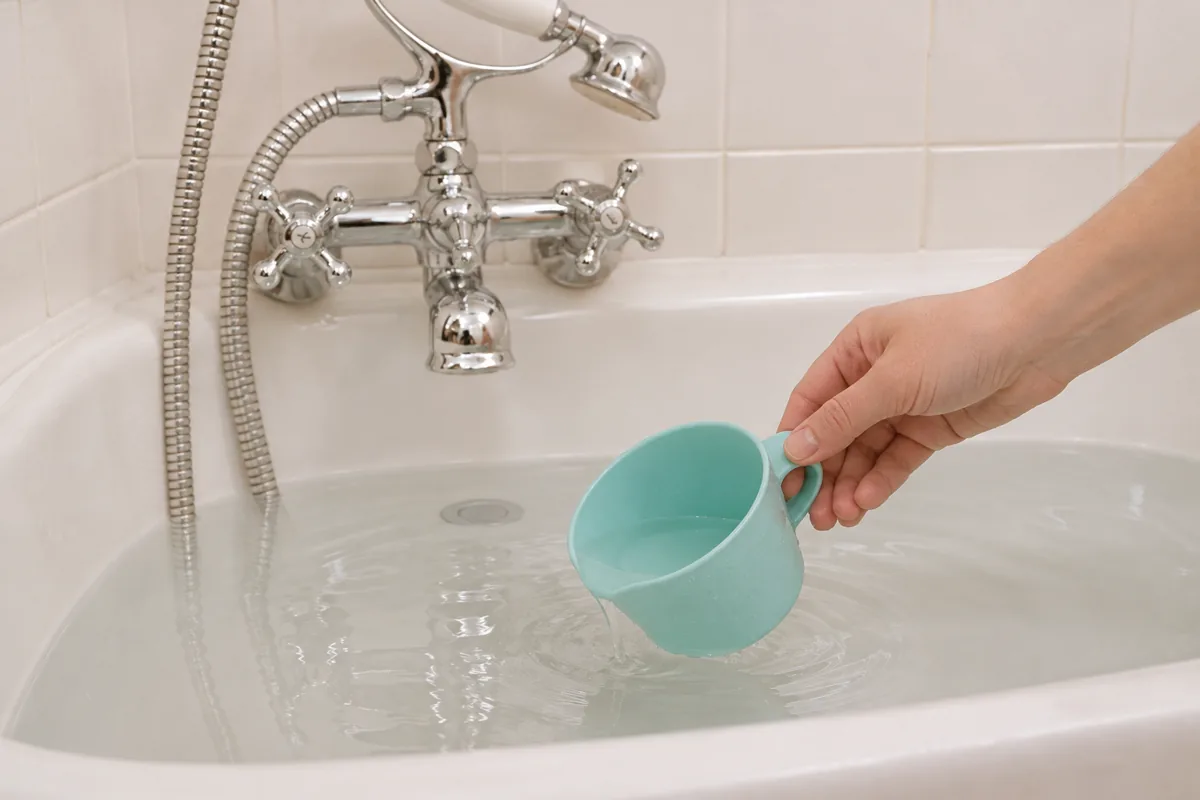
Keep bath water away from your baby's airway and communicate gently. Do not pour water over the face to train breath-holding. Ask the instructor which activities, if any, are appropriate outside lessons.
Back floating in a lesson does not establish that an infant could recover independently in an emergency. Do not use a bathtub for floating drills; keep your baby securely supported during washing.
Listening and following directions matter just as much as the physical skills. Swim instructors give clear, simple commands, and children who respond quickly are safer in the water. You can build this skill at home by using direct phrases during bath time and play. Saying "look at mommy," "hands here," or "kick your legs" during routine moments teaches your child to process and act on instructions in water settings.
Daily Habits That Reinforce Water Safety
Beyond skill practice, the home environment itself plays a major role in keeping young children safe. A few consistent habits dramatically reduce risk:
Stay within arm's reach of your child whenever they are near any water, including the bathtub. Drowning is silent and can happen in less than two inches of water. Phone calls, doorbells, and quick tasks can wait. If you must step away, take your child with you.
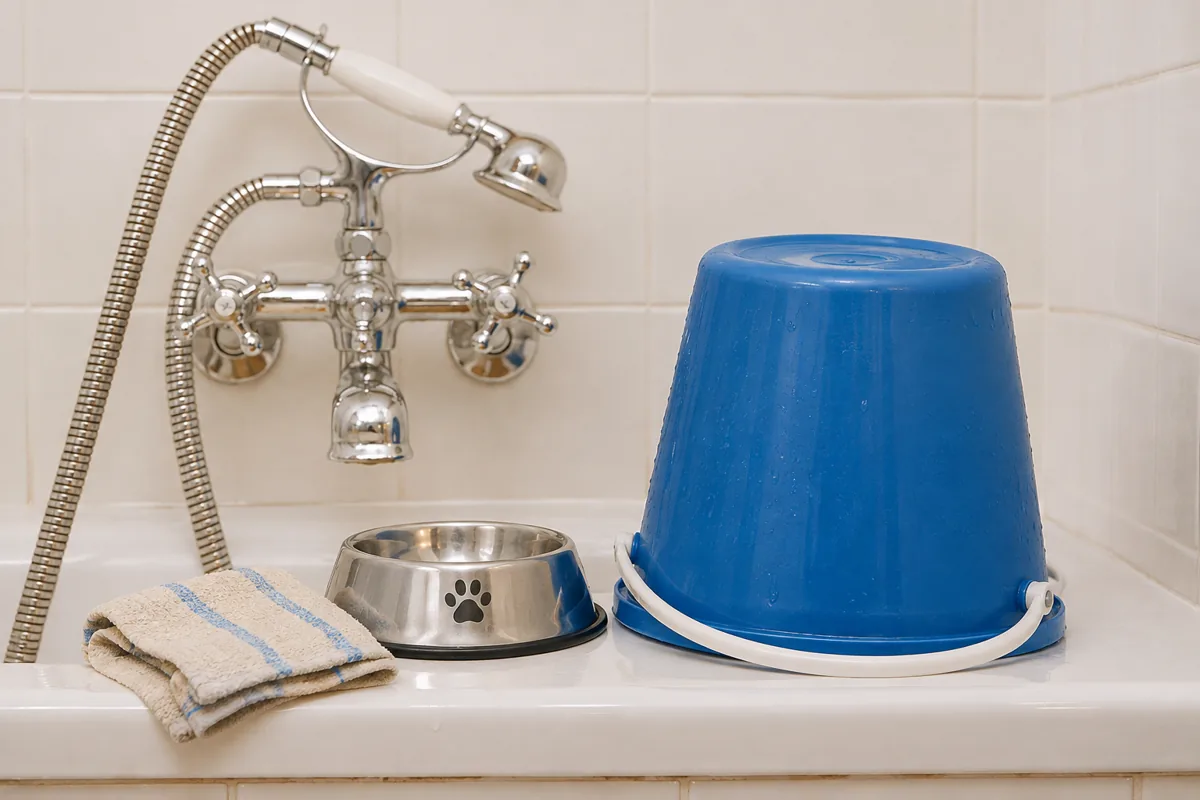
Keep bathroom doors closed and consider toilet lid locks for crawling and toddling-age children. Empty buckets, mop pails, and inflatable pools immediately after use, and store them upside down so they cannot collect rainwater. If you have a backyard pool, hot tub, or pond, install proper fencing with self-latching gates and consider door alarms for any exit that leads to the water.
Talk about water safety in age-appropriate ways from the beginning. Even babies absorb the calm, confident tone you set around water. As your child grows, those early conversations evolve into clear rules and expectations.
Why Floaties Can Work Against You
Many parents reach for inflatable arm floaties, puddle jumpers, or vest-style swim aids thinking they are adding a layer of safety. In reality, these devices often work against the skills children learn in proper swim instruction. They hold a child in an upright, bicycle-kicking position that is the opposite of the horizontal body posture needed for real swimming and floating. Children who rely on flotation toys can develop a false sense of confidence and may panic when they enter the water without them.
Use an appropriately fitted, approved life jacket when needed, especially around natural water. Air-filled and foam toys are not safety devices. Neither swimming skills nor a life jacket replaces close supervision.
Building a Culture of Water Awareness at Blue Dolphin Swim School
Water safety is not a single lesson. It is a mindset that grows through partnership between expert instructors and engaged parents. At Blue Dolphin Swim School, our Baby Love Infant Swim programs are designed to give families the skills, knowledge, and confidence they need to extend safety into every room of the home. We serve families in Arvada, Broomfield, Superior, Erie, Thornton, Louisville, Lafayette, Westminster, and surrounding Colorado communities, offering warm 92-degree water, small class sizes, and experienced instructors who care deeply about your child's progress.
Register today to start building lifelong water safety habits, or visit our FAQ page to learn more about our infant and toddler programs.
Frequently Asked Questions
How early can I start practicing water safety habits at home?
Begin with close supervision, secure support during bathing, and preventing access to water. Do not add breath-holding, face-pouring, or bathtub floating drills.
Is it safe to pour water over my baby's face during bath time?
Do not pour water over a baby's face as a breath-control exercise. Keep their airway clear during bathing and discuss age-appropriate handling with your pediatrician or instructor.
Why are floaties and puddle jumpers discouraged?
Distinguish flotation toys from approved life jackets. Do not rely on inflatable or foam toys to prevent drowning, and do not stop using an appropriate life jacket simply to encourage a swimming position.
How often should my baby attend swim lessons to see real progress?
Consistency matters more than intensity. Most families see strong results with one weekly group lesson combined with daily practice at home during bath time. For faster progress or more individualized attention, private lessons one or two times per week can accelerate skill development.
What is the single most important safety habit for parents of young children?
Active, undistracted supervision. Stay within arm’s reach during any water activity, including bath time. Designate a dedicated “Water Watcher” at gatherings so that one adult is always responsible for watching the children rather than assuming someone else is doing it.
Can swim lessons alone keep my child safe from drowning?
Swim lessons are a critical layer of protection, but they should always work alongside other safeguards. Pool fencing, door alarms, constant supervision, life jackets in open water, and CPR-trained caregivers all combine to create the layered safety strategy recommended by pediatric and water safety experts.
Further reading: AAP guidance on swim-lesson readiness and the limits of infant water play.
Pause & put it together