

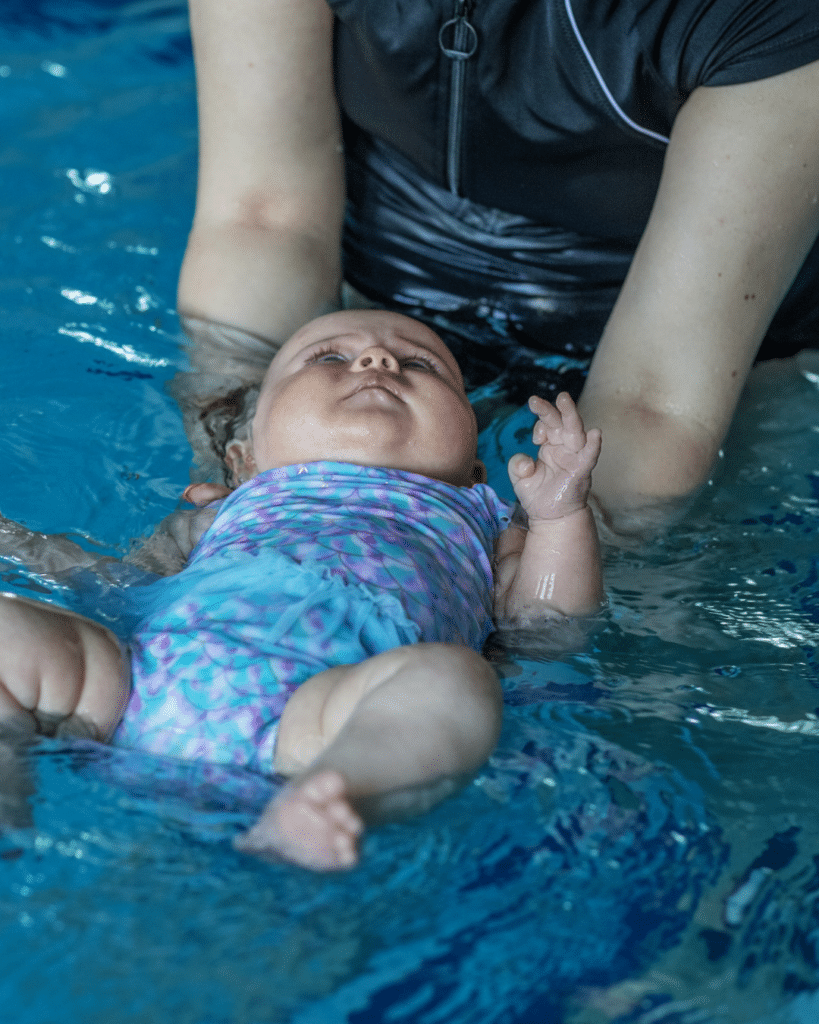
Starting swim lessons with your baby is an exciting milestone—but it’s also normal to feel uncertain about what the first few months will look like. At Blue Dolphin Swim School, we understand that early swim experiences set the tone for a child’s lifelong relationship with water. That’s why our Baby Love Infant Swim program is built to meet your child where they are—developmentally, emotionally, and physically.
Whether you’re new to baby swim classes or just curious about what progress looks like in the early weeks, this guide will help you understand what to expect during the first 90 days.
The First 30 Days: Comfort, Trust & Foundations
The earliest phase of swim lessons focuses on water acclimation. Babies are learning to feel secure in the pool environment, build trust with their instructor, and gain early exposure to water safety cues.
What Parents Should Expect:
- Gentle introduction to the water with a parent present
- Floating and gliding with support
- Basic breath control through games and repetition
- Strong emphasis on emotional regulation and bonding
It’s normal for babies to cry during the first few lessons. Crying is often a form of communication—not distress—and instructors are trained to recognize when to adjust the pace.
Goal: Establish emotional comfort, develop muscle memory, and introduce safe behaviors.
Days 30–60: Skill Awareness & Repetition
By the second month, babies begin to recognize the routine of swim lessons and feel more at home in the water. You’ll likely notice growing confidence and stronger body awareness.
Common Milestones:
- Longer supported back floating
- Rolling from front to back with assistance
- Gentle submersion practice
Weekly repetition helps your child retain and integrate survival-based skills in a way that feels natural and safe. While every baby learns at their own pace, this stage often marks the start of more active participation in the lesson structure.
Days 60–90: Independence & Early Water Skills
By the third month, many babies begin showing signs of early water independence. That doesn’t mean swimming laps, but it does mean more controlled floating, better breathing response, and smoother transitions between movements.
Skills Often Observed:
- Independent floating for short durations
- Improved comfort with brief submersion
- More relaxed body positioning in the water
At this stage, babies are often more emotionally resilient and eager to participate in class routines. They may even smile, splash, or initiate movement independently.
Every Child’s Progress is Unique
It’s important to remember that no two infants progress the same way. Some may take a few weeks to warm up to the water, while others embrace it immediately. Factors that influence swim development include:
- Previous exposure to water
- Individual temperament
- Muscle tone and motor development
- Consistency of attendance
That’s why our instructors personalize lessons for each swimmer, creating a safe, positive experience rooted in confidence-building.
Beyond the First 90 Days
After the foundational 90-day period, many families transition into longer lessons focused on skill refinement, endurance, and swim readiness. This includes:
- Enhanced breath control
- Independent back float and roll techniques
- Early swim motions that prepare for stroke-based programs
Graduating from our Baby Love program into our Learn-to-Swim classes sets your child up for a smooth swim journey from infancy through childhood and beyond.
Ready to Start Your Baby’s Swim Journey?
At Blue Dolphin Swim School, we believe that early swim lessons are about more than just water—it’s about safety, trust, and confidence that lasts a lifetime.
Our instructors are trained to create a nurturing, structured environment that helps both parents and babies feel supported every step of the way.
Ready to begin? Register Now for our Baby Love Infant Swim program and give your child a confident start in the water.
FAQ: Baby Swim Classes
While your baby won’t be swimming independently yet, they’ll gain essential water survival skills and comfort in the pool—critical building blocks for future swim success.