
Why Bathtub Safety Deserves More Attention Than Most Parents Realize
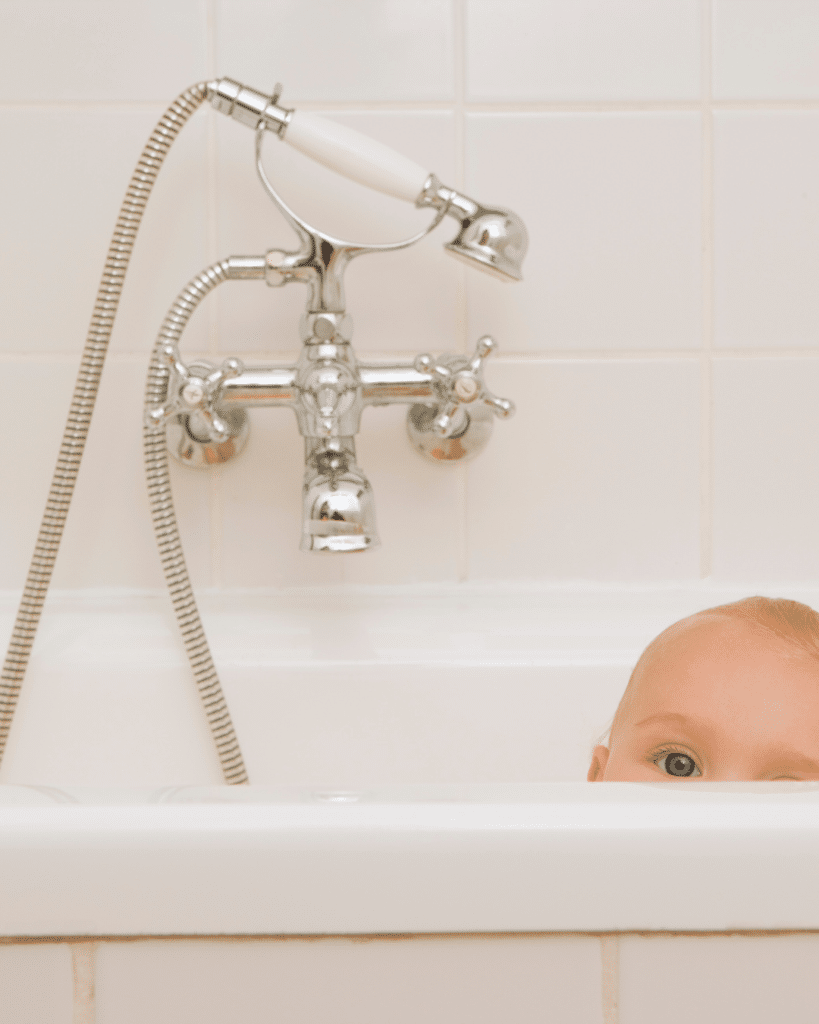
I’ll be honest. When parents come into our swim school for the first time, we spend a lot of our conversation talking about pools, open water, and what to do at the lake this summer. Those talks matter. But every so often I catch myself wanting to pull the parent aside and say, “Before we get into any of that, can we talk about your bathtub?”
Because here’s the thing that most people don’t realize until they’re already deep into parenting. The most dangerous body of water in a young child’s life is not the neighborhood pool. It is not the reservoir up the road. It is the tub sitting in their own bathroom, the one they climb into three or four times a week without a second thought from anyone in the house.
That’s not a scare tactic. It’s just what the numbers show, and after enough years in the swim safety world, I’ve decided it deserves a full blog post of its own.
The Statistics No One Wants to Read
More than 43,000 children under 18 end up in emergency rooms every year for injuries that happened in a bathtub or shower. Kids under four make up more than half of those visits. Slips and falls are the most common cause. Drownings are less common but far more devastating, and for babies under one year old, the bathtub is the single most likely place a fatal drowning will happen at home.
A child can drown in less than two inches of water. Not two feet. Two inches. That’s roughly the depth of a coffee cup left sitting on the floor.
The other quiet detail people miss is that drowning does not look the way movies show it. There is no shouting. No dramatic splashing. A child who slips under the water in a tub often just goes still. A parent finishing a text on the couch a few rooms away will hear nothing at all.
That’s the part that stays with me.
Why the Bathtub Is Trickier Than It Seems
Parents put a lot of thought into pool safety. Fences, life jackets, swim lessons, sunscreen, watchful adults. The bathtub, on the other hand, gets treated like part of the daily routine. Familiar. Domestic. Low stakes.
That familiarity is exactly what makes it risky. When something feels routine, our attention drifts. We answer the phone. We grab a towel from the hallway. We check the dryer. We tell ourselves it’s fine because it’s always been fine.
Then there’s the equipment problem. Bath seats and bath rings are marketed as safety devices, but they aren’t. They give parents the false impression that a baby is secure in the tub, when in reality these seats can tip over, and a slipped baby underneath one is often harder to reach quickly. Suction cups fail. Tubs get slippery as they age. Most families don’t realize the surface they trusted five years ago has quietly worn down.
Add in the water heater temperature question, which most homeowners have never checked, and you have a stack of small risks that add up faster than anyone expects.
The Rules That Actually Matter
If I could ask every parent in Colorado to change just a few things about how they approach bath time, this is what I would say.
Stay in the room. Every single time. Not next door. Not down the hall listening. In the room, within arm’s reach, with your eyes on your child. If you have to leave, wrap the baby in a towel and bring them with you. The doorbell can wait. The text can wait. Bath time is a ten to fifteen minute pause on everything else, and that is worth protecting.
Turn the water heater down to 120 degrees. Tap water at 140 degrees can cause third-degree burns on a child’s skin in about three seconds. Most homes come set higher than they need to be. Adjusting the thermostat takes about two minutes and eliminates an entire category of injury.
Test the water yourself before your child goes in. Use your inner elbow or wrist, not your hand. Baby bathtubs sometimes come with temperature indicators, but they can fail, and there’s no reason to rely on them when your own skin is a better sensor anyway. Aim for something in the 95 to 100 degree range.
Keep the water shallow. For infants and toddlers, low is safer. That washcloth-on-the-belly trick pediatricians recommend keeps a baby warm without needing to fill the tub deep. Drain the water the moment bath time ends, so there’s nothing to slip into if a curious toddler wanders back through the bathroom door twenty minutes later.
Slip-proof the whole space. A non-slip mat inside the tub. Another one outside on the floor. Grab bars if your bathroom is set up for them. Most bathroom injuries happen at the exact moment a child is being lifted out, so a stable landing spot matters.
Skip the bath seats and infant floating rings. Both create a sense of security that isn’t real, and both have been involved in enough drowning incidents to make me firmly against them.
How Bath Time Ties Back to Real Swim Skills
Here’s the piece I always circle back to as a swim school owner. Bath time is one of the best skill-building tools you have at home. Every time you pour a small cup of water over your baby’s forehead with a “ready, go” cue, you’re building the same breath-control reflex we work on in the pool. Every supported back float in the tub reinforces what your child practices in class.
The bathtub, handled well, is where swim lessons come to life during the rest of the week. Handled poorly, it becomes the most likely place for something to go wrong. That contrast is exactly why the topic deserves more attention than it usually gets.
Building Safer Habits with Blue Dolphin Swim School
If you’re the kind of parent who reads a post like this and thinks, “I need to lock this in now, before summer gets any busier,” that’s exactly the mindset that keeps kids safer. We’d love to be part of that layered approach for your family.
Blue Dolphin Swim School serves families across Westminster, Arvada, Broomfield, Superior, Erie, Thornton, Louisville, Lafayette, Boulder, Denver, and the surrounding Colorado communities. Our Baby Love Infant Swim programs teach the exact breath control, back-floating, and water-safety reflexes that make bath time practice at home meaningful.
Frequently Asked Questions
Less than two inches. Babies and toddlers can drown in the kind of water depth that most adults would not even think of as water. That is why draining the tub immediately after use and never leaving a child alone during bath time matter so much.
They aren’t recommended by most pediatric safety experts, and they aren’t allowed to be marketed as safety devices for a reason. Bath seats can tip over, and babies can slide beneath them into the water. The bigger risk is that they give parents a false sense of security, which leads to a moment of turning away that would not have happened otherwise.
120 degrees Fahrenheit is the standard recommendation. Anything higher significantly increases the risk of scald burns, especially for children under five whose skin is thinner and more sensitive. Adjusting the thermostat on your water heater takes only a couple of minutes.
Less often than most parents assume. Two or three baths a week is usually plenty for infants unless there’s been a diaper blowout or a very messy meal. Daily bathing can dry out a baby’s skin, and their bodies do not produce the kind of oils that cause odor until much later.
Bath aversion is common and usually temporary. Go slower, make the water shallower, use gentle verbal cues before pouring water, and add a favorite toy or two. The same techniques we use in our swim classes for hesitant babies work at home. Consistency and calm are the two most important ingredients.
Often, yes. Many parents tell us that once their child starts swim lessons, bath time becomes noticeably smoother. The breath control cues, gentle water pouring, and back-floating practice in class transfer directly to what happens at home, and children start associating water with something familiar and fun rather than something scary.