
Why Infant Swim Lessons Matter More During Summer Months
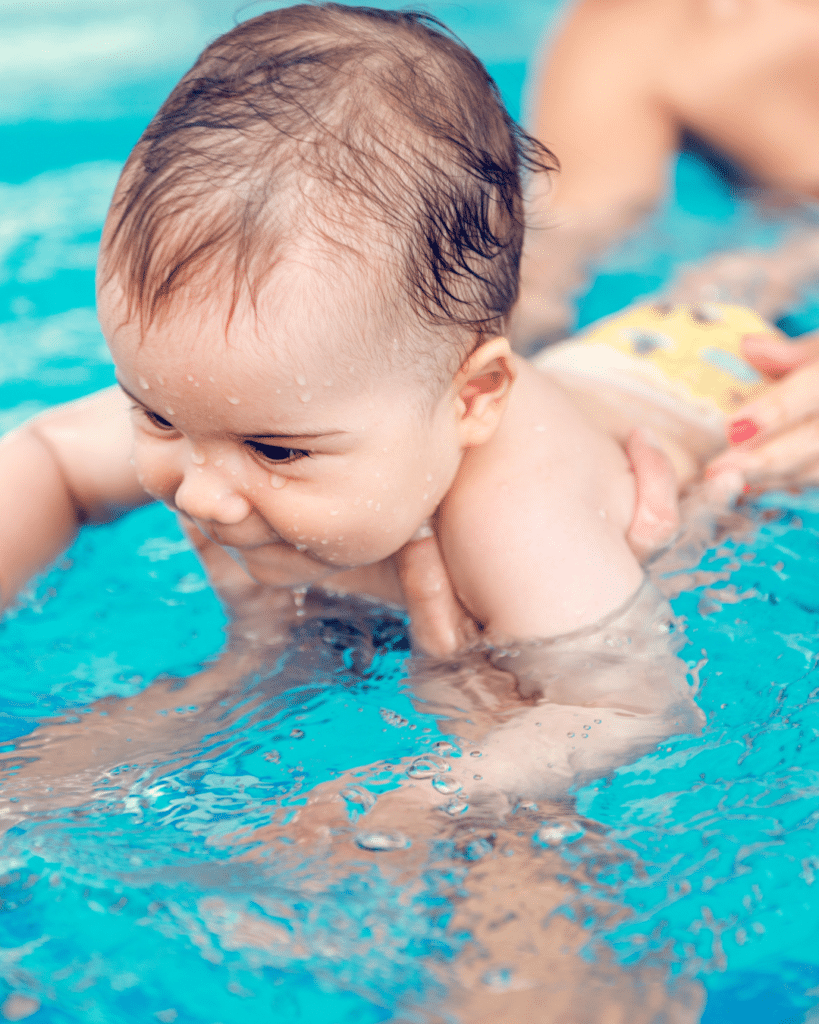
Summer changes everything for families with young children. Schedules open up, the days grow longer, and water suddenly becomes a central part of daily life. Backyard pools fill up, neighborhood splash pads turn on, and weekend plans shift toward lakes, rivers, and beach vacations. With all of that opportunity comes a sharp increase in risk, especially for babies and toddlers who are too young to understand the dangers around them.
Infant swim lessons are valuable year-round, but during the summer they carry a special weight. The skills learned in class translate directly into the real-world situations your family is most likely to face between June and September. For parents looking to make this summer safer and more enjoyable, there has never been a better time to enroll.
The Seasonal Surge in Water Exposure
Drowning is the leading cause of accidental death for children under five, and the warmer months are when most of these tragedies occur. Family gatherings move outdoors, and pools, hot tubs, ponds, and inflatable kiddie pools become part of nearly every weekend. Even families without a backyard pool find themselves visiting friends, attending barbecues, or vacationing in places where water is everywhere.
This seasonal change in routine catches many parents off guard. A toddler who has spent the winter playing safely indoors suddenly has dozens of new opportunities to wander toward water. Swim lessons help close that gap by giving your child a foundation of survival skills before the busy season is in full swing.
Skills That Get Used Right Away
One of the strongest reasons to enroll during summer is that the lessons stop being theoretical. When your child learns to roll onto their back and float in class on Tuesday, they can practice it during a family pool visit on Saturday. That immediate, repeated application is what turns a learned skill into a reliable instinct.
Children who only attend lessons during the off-season often lose ground between sessions. In contrast, summer learners reinforce their progress almost daily. Bath time, sprinkler play, pool afternoons, and lake outings all become extensions of the classroom, deepening muscle memory in a way that no winter program can quite replicate.
Building Confidence for Family Events
Summer is full of moments that can either feel joyful or stressful depending on how prepared your family is. A pool party at a relative’s house, a vacation rental with a hot tub, or a day at the beach should be memorable for the right reasons. Children who feel comfortable in the water enter these settings calmly, while children who panic at the first splash often struggle to enjoy themselves.
Routine swim instruction builds the kind of quiet confidence that lets babies and toddlers explore water with curiosity instead of fear. Parents benefit too. Watching your child kick, float, and respond to your voice in the water replaces anxiety with reassurance, freeing you to enjoy the season alongside them.
Developmental Benefits Beyond Safety
Summer swim lessons do more than prepare your child for water. They support whole-body development at a stage when growth is happening rapidly. The gentle resistance of water strengthens core muscles, encourages coordination, and stimulates the sensory system in ways land-based play cannot. Babies who swim regularly often show stronger balance, better sleep patterns, and faster progress on motor milestones.
There is also a social component worth noting. Group classes give your child time alongside other little swimmers, helping them get used to shared environments, instructor voices, and the cheerful structure of a learning setting. These small experiences add up to bigger benefits in the months and years that follow.
A Quick Note on Readiness
The American Academy of Pediatrics supports swim instruction beginning around age one for most children, though many programs welcome babies as young as 4 to 6 months for parent-and-child water acclimation classes. These early classes focus on comfort, breath control, and gentle survival skills rather than independent swimming. If you are unsure whether your child is ready, a conversation with your pediatrician and a qualified swim school can help you decide on the right starting point.
Make This Summer Safer with Blue Dolphin Swim School
If you are searching for infant or toddler swim lessons that fit your family’s summer plans, Blue Dolphin Swim School is here to help. Our Baby Love Infant Swim programs welcome babies from 4 to 24 months and serve families across Arvada, Broomfield, Superior, Erie, Thornton, Louisville, Lafayette, Westminster, and surrounding Colorado communities. With warm 92-degree water, small class sizes, and experienced instructors, we create the calm, supportive environment babies need to thrive.
Learn more about our infant swim program by visiting our Baby Love Infant Swim page, or register today to reserve your spot before summer fills up.
Frequently Asked Questions
No. Even strong young swimmers need active, undistracted adult supervision at all times. Swim instruction is one essential layer in a broader safety strategy that also includes pool fencing, life jackets in open water, designated Water Watchers at gatherings, and CPR-trained caregivers nearby.