What Parents Should Expect in Baby Swim Classes During the First 90 Days
4 min read
By Blue Dolphin Swim School
Your learning focus
A clearer picture before the next step.
Learn what to expect in baby swim classes during the first 90 days, from water comfort and bonding to early floating, breath control, and confidence-building skills. Browse the website for more details.
Starting swim lessons with your baby is an exciting milestone—but it’s also normal to feel uncertain about what the first few months will look like. At Blue Dolphin Swim School, we understand that early swim experiences set the tone for a child’s lifelong relationship with water. That’s why our Baby Love Infant Swim program is built to meet your child where they are—developmentally, emotionally, and physically.
Whether you're new to baby swim classes or just curious about what progress looks like in the early weeks, this guide will help you understand what to expect during the first 90 days.
The First 30 Days: Comfort, Trust & Foundations
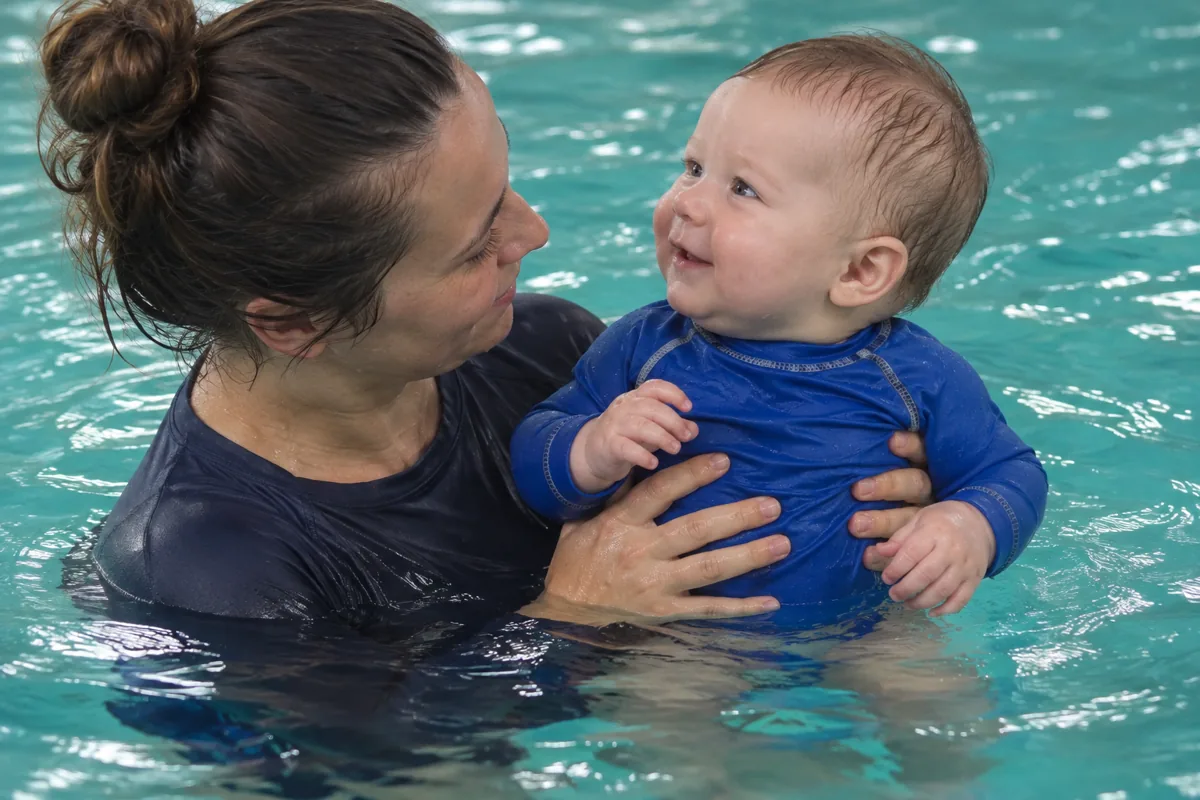
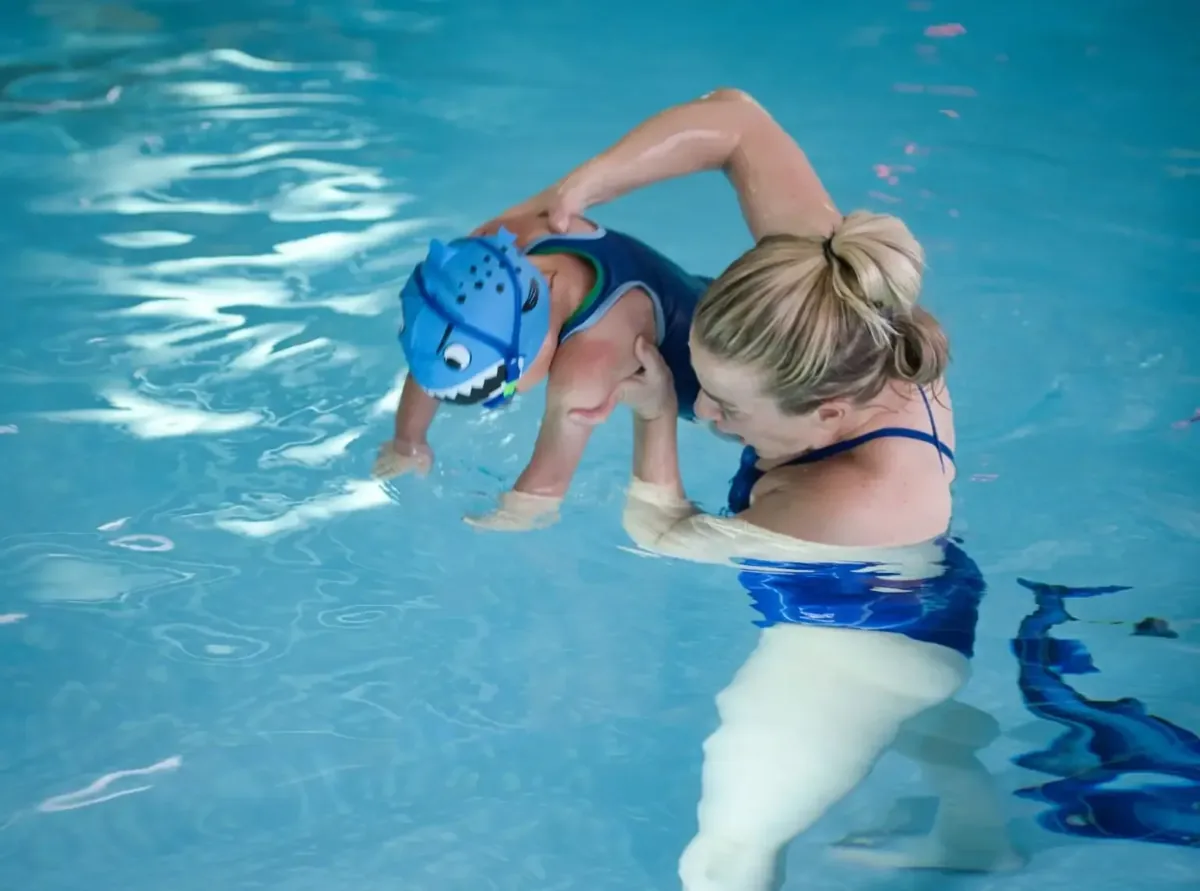
The earliest phase of swim lessons focuses on water acclimation. Babies are learning to feel secure in the pool environment, build trust with their instructor, and gain early exposure to water safety cues.
What Parents Should Expect:
- Gentle introduction to the water with a parent present
- Floating and gliding with support
- Basic breath control through games and repetition
- Strong emphasis on emotional regulation and bonding
Crying may communicate fear, tiredness, discomfort, or another need. Tell the instructor what you notice, ask how the activity can be adjusted, and pause when needed. Do not use a calendar milestone as a reason to push through distress.
Goal: Establish emotional comfort, develop muscle memory, and introduce safe behaviors.
Days 30–60: Skill Awareness & Repetition
By the second month, babies begin to recognize the routine of swim lessons and feel more at home in the water. You’ll likely notice growing confidence and stronger body awareness.
Common Milestones:
- Longer supported back floating
- Rolling from front to back with assistance
- Gentle submersion practice
Repetition can help a baby recognize a familiar lesson routine. Activities remain supported and responsive to the baby's comfort; they are not evidence of reliable emergency survival skills.
Days 60–90: Independence & Early Water Skills
By the third month, many babies begin showing signs of early water independence. That doesn’t mean swimming laps, but it does mean more controlled floating, better breathing response, and smoother transitions between movements.
Skills Often Observed:
- Independent floating for short durations
- Improved comfort with brief submersion
- More relaxed body positioning in the water
At this stage, babies are often more emotionally resilient and eager to participate in class routines. They may even smile, splash, or initiate movement independently.
Every Child's Progress is Unique
It's important to remember that no two infants progress the same way. Some may take a few weeks to warm up to the water, while others embrace it immediately. Factors that influence swim development include:
- Previous exposure to water
- Individual temperament
- Muscle tone and motor development
- Consistency of attendance
The amount and type of individual support depend on the format. Baby Love lists a parent-and-baby group class and a separate private infant option; ask how the teacher will support your child in the option you choose.
Beyond the First 90 Days
After the foundational 90-day period, many families transition into longer lessons focused on skill refinement, endurance, and swim readiness. This includes:
- Enhanced breath control
- Independent back float and roll techniques
- Early swim motions that prepare for stroke-based programs
Graduating from our Baby Love program into our Learn-to-Swim classes sets your child up for a smooth swim journey from infancy through childhood and beyond.
Ready to Start Your Baby’s Swim Journey?
At Blue Dolphin Swim School, we believe that early swim lessons are about more than just water—it’s about safety, trust, and confidence that lasts a lifetime.
Before the first visit, discuss how the instructor introduces activities, responds to discomfort, and communicates with parents. These practical questions help families understand the lesson without assuming a particular certification or specialist qualification.
Ready to begin? Register Now for our Baby Love Infant Swim program and give your child a confident start in the water.
FAQ: Baby Swim Classes
What age should my baby start swimming lessons?
Readiness varies. The Baby Love Infant Swim page lists options for ages four to twenty-four months; confirm current entry requirements and discuss your baby’s individual needs with your pediatrician.
Will my baby actually learn to swim in 90 days?
Your baby may become more familiar with the pool and its routines. Independent swimming and drowning protection must not be inferred from infant lesson participation.
What if my baby cries during class?
Crying can signal several different needs. Tell the instructor what you are observing and agree on how an activity will be adjusted or paused. Your baby’s response matters more than a fixed timetable for progress.
How long are baby swim classes?
The Baby Love page lists a 30-minute group class and 10-minute private infant sessions. The private option is listed for one or two sessions a week; confirm the current schedule and which format you are booking.
What should I bring to my baby’s swim class?
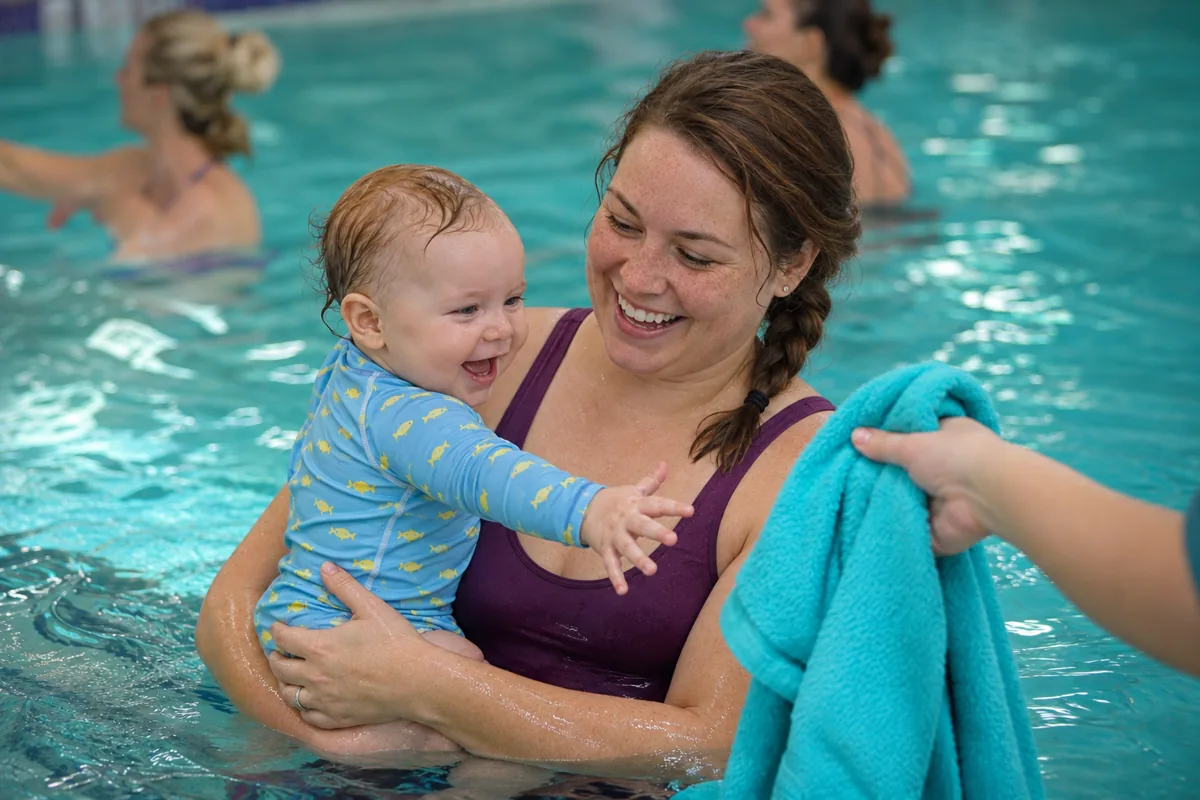
Please bring a towel, a change of clothes, and a favorite toy if needed for comfort. A reusable wet bag can also be helpful. Blue Dolphin Swim School requires families to use a Happy Nappy Brand Swim Diaper–these are available for purchase at the school or through other retailers. Disposable swim diapers are not permitted.
Can both parents attend the class?
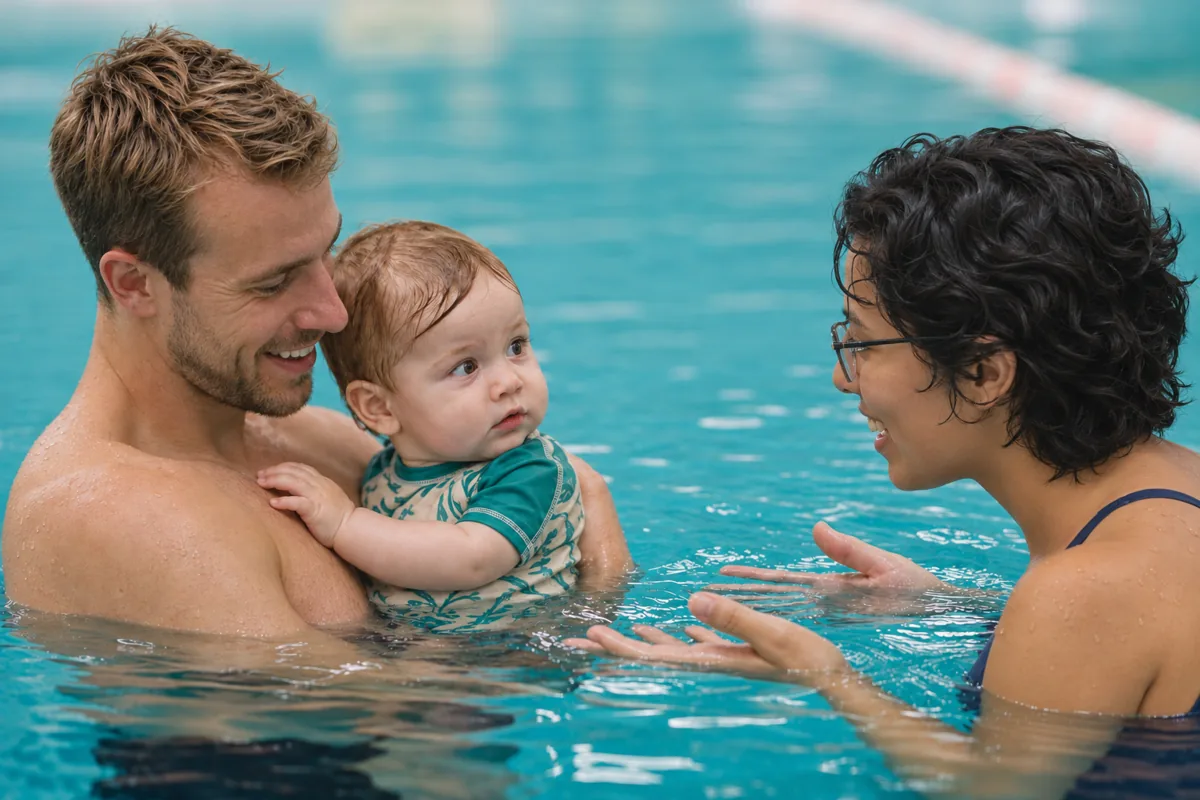
Baby Love Infant Swim I is described as a parent-and-baby group class. Private infant lessons are a separate option. Confirm who participates in the water and where accompanying family members can observe for the exact lesson you book.
Further reading: AAP guidance on swim-lesson readiness and the limits of infant water play.
Pause & prepare
Take three questions to your next lesson
Think through each question and check it when you have something to discuss. This is a conversation prompt, not a readiness test.
0 of 3 questions considered