Why Infant Swim Lessons Matter More During Summer Months
5 min read
By Blue Dolphin Swim School
Your learning focus
A clearer picture before the next step.
Keep your little one safer this summer with infant swim lessons at Blue Dolphin Swim School. Build water confidence, essential safety skills, and healthy development before peak swim season. Browse the website for more details.
Summer changes everything for families with young children. Schedules open up, the days grow longer, and water suddenly becomes a central part of daily life. Backyard pools fill up, neighborhood splash pads turn on, and weekend plans shift toward lakes, rivers, and beach vacations. With all of that opportunity comes a sharp increase in risk, especially for babies and toddlers who are too young to understand the dangers around them.
Infant swim lessons are valuable year-round, but during the summer they carry a special weight. The skills learned in class translate directly into the real-world situations your family is most likely to face between June and September. For parents looking to make this summer safer and more enjoyable, there has never been a better time to enroll.
The Seasonal Surge in Water Exposure
Drowning is the leading cause of accidental death for children under five, and the warmer months are when most of these tragedies occur. Family gatherings move outdoors, and pools, hot tubs, ponds, and inflatable kiddie pools become part of nearly every weekend. Even families without a backyard pool find themselves visiting friends, attending barbecues, or vacationing in places where water is everywhere.
A change in routine creates more opportunities for a mobile child to reach water. Before outings, agree on supervision and check access points and barriers. Lessons do not close a supervision gap, and infant water-play programs have not been shown to reduce drowning risk.
Skills That Get Used Right Away
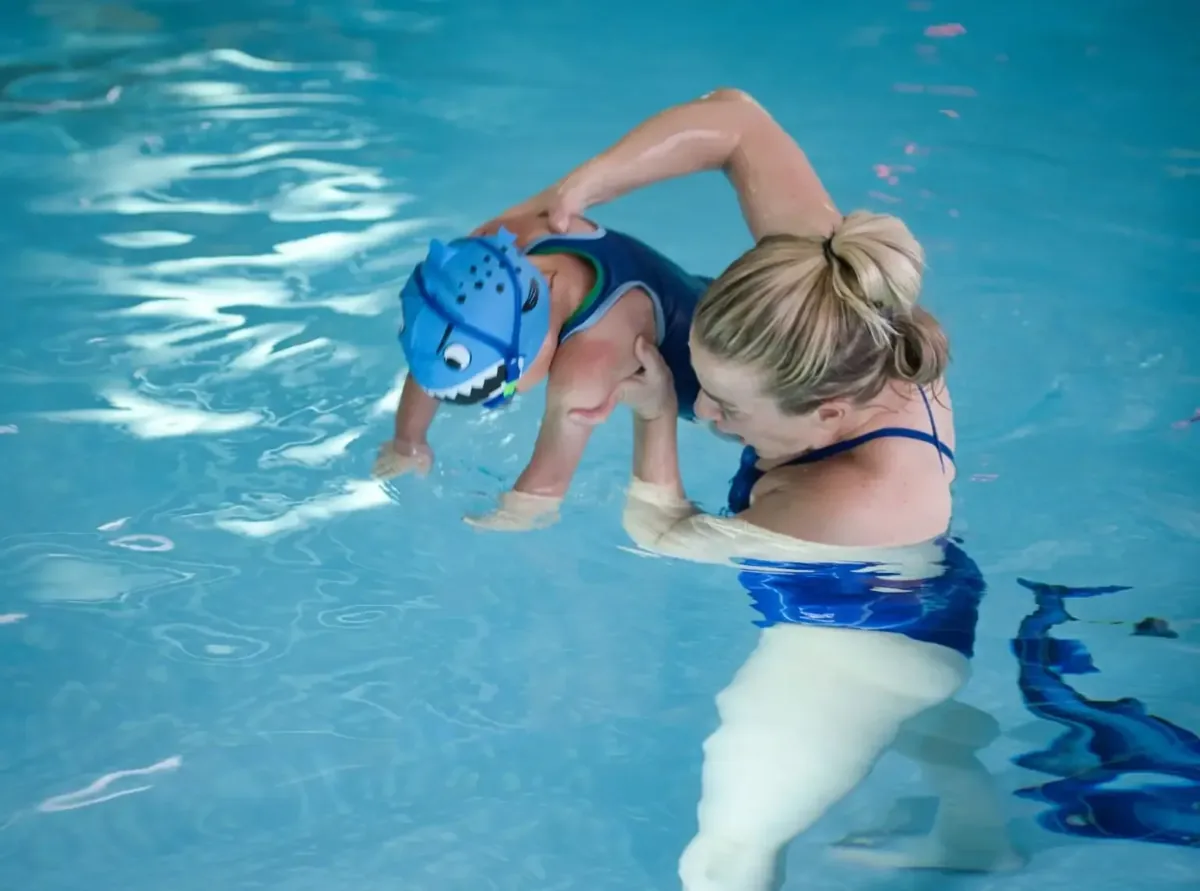
If an instructor recommends an activity between lessons, confirm exactly how to support and supervise it. A familiar class response is not a reliable emergency instinct, and babies must never practice floating or submersion independently.
Children who only attend lessons during the off-season often lose ground between sessions. In contrast, summer learners reinforce their progress almost daily. Bath time, sprinkler play, pool afternoons, and lake outings all become extensions of the classroom, deepening muscle memory in a way that no winter program can quite replicate.
Building Confidence for Family Events
Summer is full of moments that can either feel joyful or stressful depending on how prepared your family is. A pool party at a relative's house, a vacation rental with a hot tub, or a day at the beach should be memorable for the right reasons. Children who feel comfortable in the water enter these settings calmly, while children who panic at the first splash often struggle to enjoy themselves.
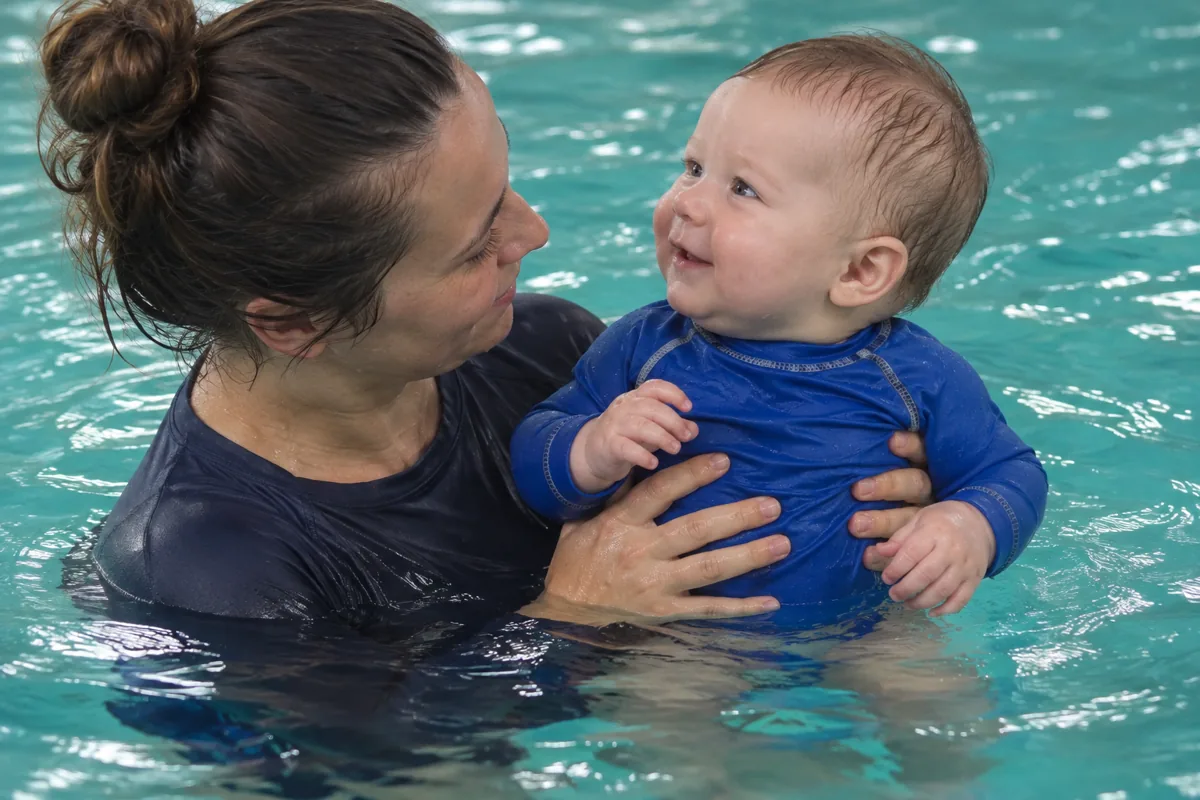
Routine swim instruction builds the kind of quiet confidence that lets babies and toddlers explore water with curiosity instead of fear. Parents benefit too. Watching your child kick, float, and respond to your voice in the water replaces anxiety with reassurance, freeing you to enjoy the season alongside them.
Developmental Benefits Beyond Safety
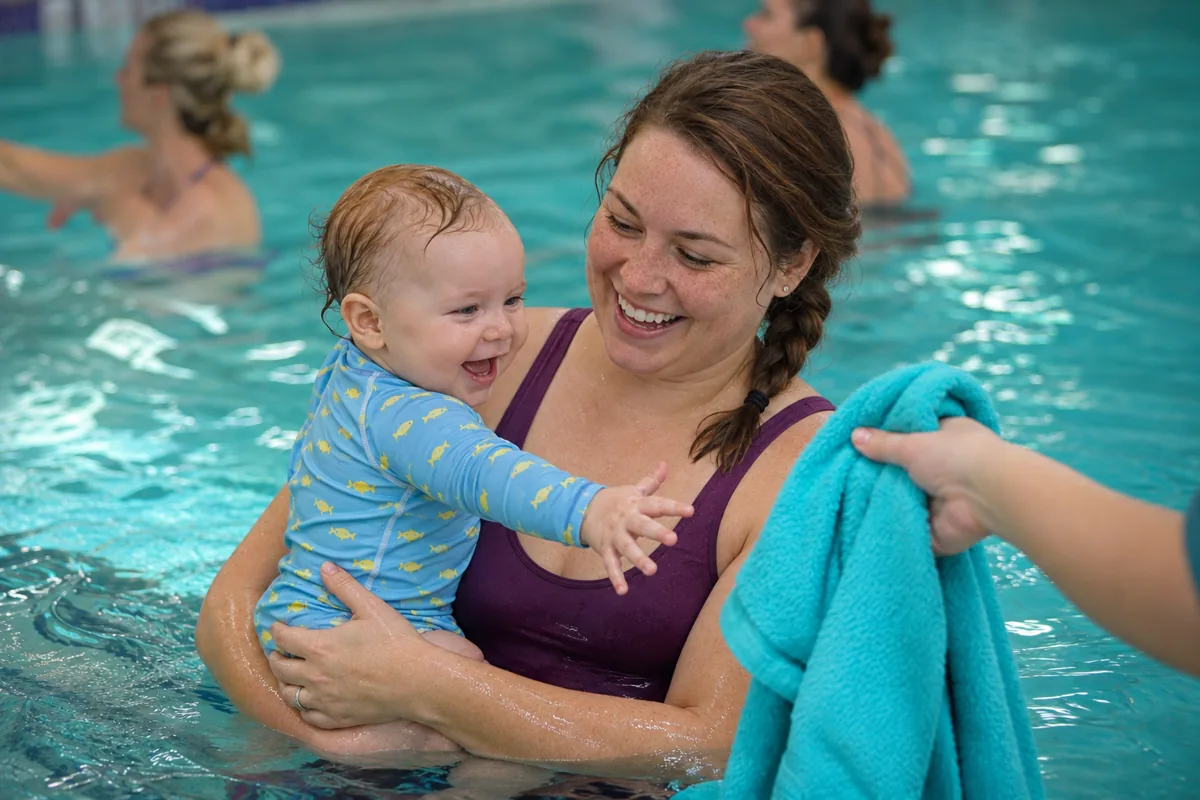
Pool play gives babies opportunities for supported movement and shared attention. Enjoyment and responses vary; earlier motor milestones, better sleep, and other developmental outcomes should not be promised.
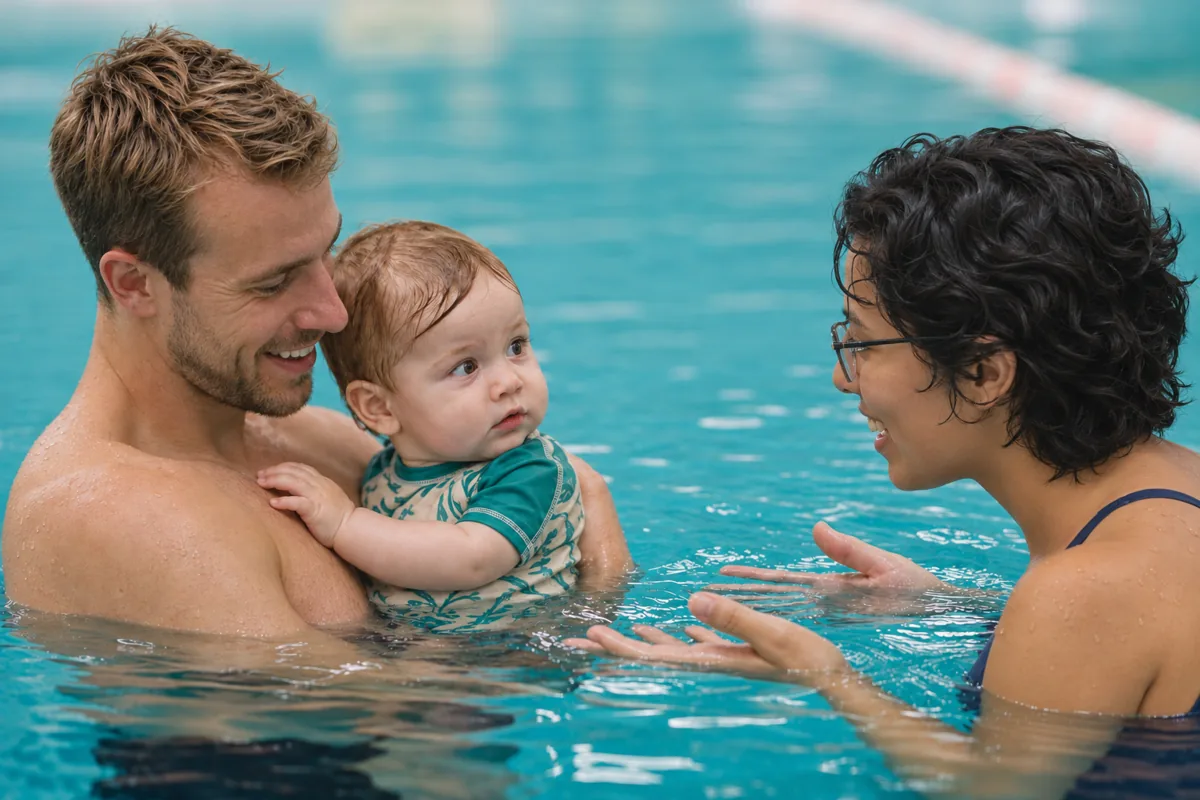
There is also a social component worth noting. Group classes give your child time alongside other little swimmers, helping them get used to shared environments, instructor voices, and the cheerful structure of a learning setting. These small experiences add up to bigger benefits in the months and years that follow.
A Quick Note on Readiness
The AAP supports lessons for many children from around age one, depending on readiness. Water play with younger babies can be enjoyable, but it is not evidence of drowning protection. Discuss individual needs with your pediatrician and confirm the program's requirements.
Make This Summer Safer with Blue Dolphin Swim School
If you are searching for infant or toddler swim lessons that fit your family's summer plans, Blue Dolphin Swim School is here to help. Our Baby Love Infant Swim programs welcome babies from 4 to 24 months and serve families across Arvada, Broomfield, Superior, Erie, Thornton, Louisville, Lafayette, Westminster, and surrounding Colorado communities. With warm 92-degree water, small class sizes, and experienced instructors, we create the calm, supportive environment babies need to thrive.
Learn more about our infant swim program by visiting our Baby Love Infant Swim page, or register today to reserve your spot before summer fills up.
Frequently Asked Questions
Why is summer such a high-risk time for child drownings?
Summer combines warm weather, vacation schedules, and easy access to backyard pools, lakes, and beaches. Children are around water more often and for longer periods, and the relaxed pace of family gatherings can lead to lapses in supervision. The combination of opportunity and inattention makes summer the most dangerous season for water-related accidents involving young children.
Is it too late to start swimming lessons once summer has already begun?
Not at all. While starting earlier in the season gives your child more time to build skills, even a few weeks of lessons can make a meaningful difference. Swim schools accept new students throughout the year, and any amount of structured instruction is better than none.
How often should my baby attend lessons during the summer?
Most families see strong progress with one weekly group lesson, but two sessions per week can accelerate learning during the summer when frequent water exposure reinforces every class. Private lessons are another option if you want focused, one-on-one attention for your child.
Will my baby remember what they learned over the winter?
Children retain some skills between lessons, but consistency makes a noticeable difference. Babies and toddlers who take a long break often need a few sessions to rebuild comfort and confidence. Year-round instruction prevents that regression, while summer-only learners benefit from steady, frequent practice during the months when water exposure is highest.
What should I expect during my baby's first summer swim lesson?
Expect a warm pool, a calm and encouraging instructor, and a class that focuses on gentle introductions to water, breath control, and supported floating. Parents typically participate in the water for infant classes, which strengthens the parent-child bond and helps you feel confident continuing the practice at home.
Do swim lessons replace the need for adult supervision?
No. Even strong young swimmers need active, undistracted adult supervision at all times. Swim instruction is one essential layer in a broader safety strategy that also includes pool fencing, life jackets in open water, designated Water Watchers at gatherings, and CPR-trained caregivers nearby.
Further reading: AAP guidance on swim-lesson readiness and the limits of infant water play.
Pause & prepare
Take three questions to your next lesson
Think through each question and check it when you have something to discuss. This is a conversation prompt, not a readiness test.
0 of 3 questions considered