Why Consistency Matters in Early Swim Lessons for Babies and Toddlers
4 min read
By Blue Dolphin Swim School
Your learning focus
A clearer picture before the next step.
Consistency in early swim lessons helps babies and toddlers build water confidence, develop coordination, and form lasting safety habits. At Blue Dolphin Swim School, every splash counts! Browse the website for more details.
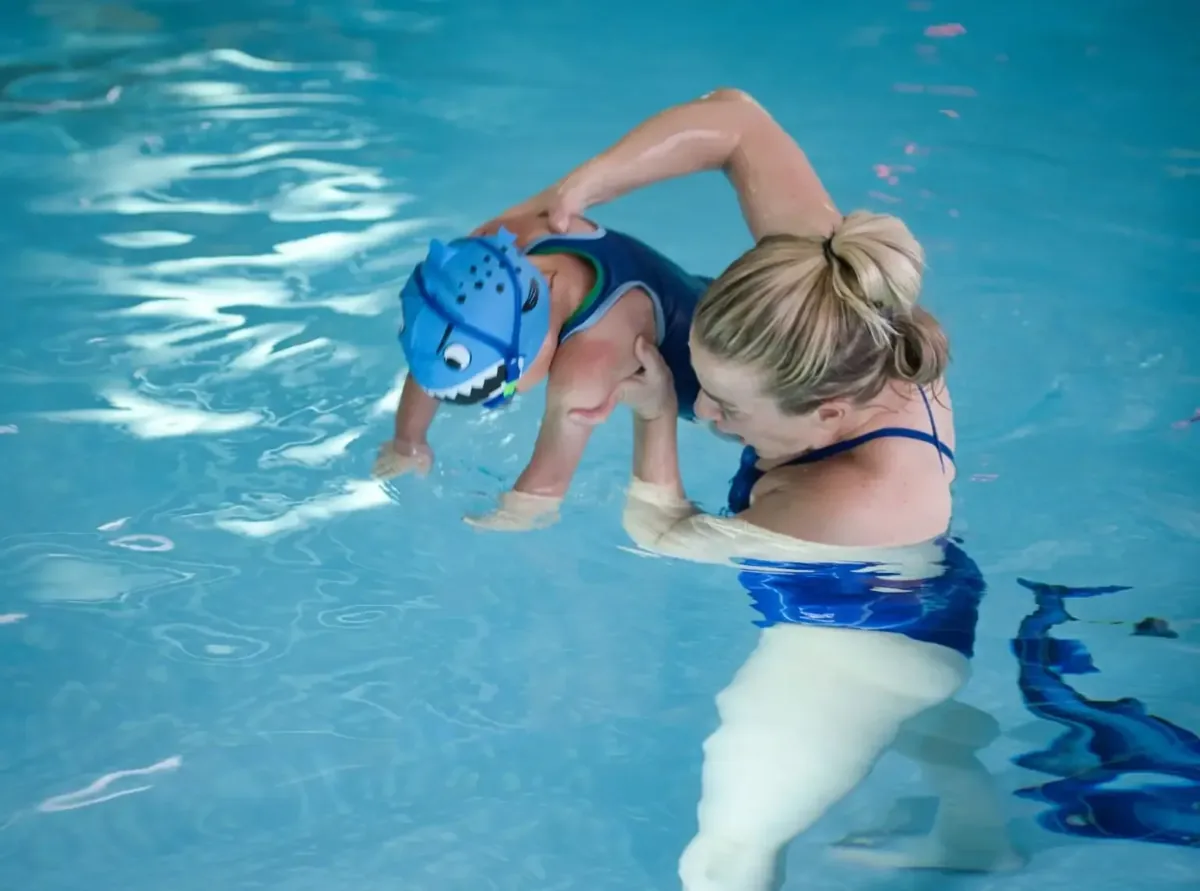
When it comes to teaching babies and toddlers how to swim, consistency is the key to building lasting confidence, comfort, and safety in the water. At Blue Dolphin Swim School, we've seen firsthand how regular, structured lessons help young swimmers develop important motor skills, reduce water anxiety, and reinforce lifelong water safety habits.
Whether your little one is just beginning their first Infant Swim Class or transitioning into more independent swimming, keeping a steady routine makes all the difference.
Building Confidence and Comfort in the Water
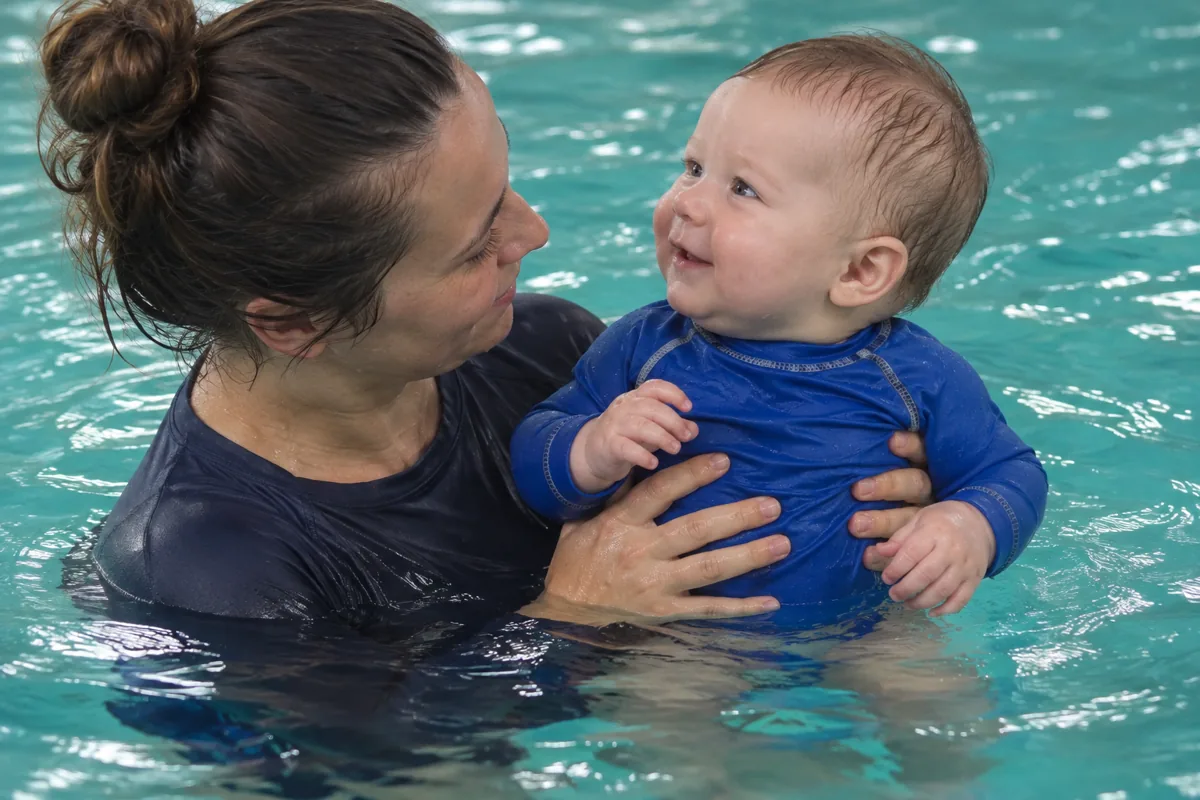
Babies and toddlers thrive on familiarity and repetition. When swim lessons happen consistently, children begin to associate the water with fun, safety, and achievement.
1. Reduces Fear
New environments-like pools with bright lights, splashing sounds, and cooler temperatures-can feel overwhelming at first. Consistent exposure helps your child get comfortable with these sensations, replacing fear with familiarity and curiosity.
2. Establishes a Routine
A predictable swim schedule provides structure for both children and parents. When swim time becomes part of a weekly routine, children know what to expect and are more likely to participate enthusiastically.
3. Builds Confidence
Each successful lesson helps build self-assurance. As children practice skills like floating, kicking, and breath control, they begin to feel proud of their progress and more willing to try new challenges.
Accelerating Skill Development Through Repetition
Learning to swim is a complex physical skill that requires muscle coordination, memory, and focus-all of which develop through repeated practice.
1. Reinforces Muscle Memory
Skills like blowing bubbles, floating, and coordinated kicking are learned through repetition. Consistent lessons allow babies and toddlers to strengthen the same muscle groups week after week, helping those movements become second nature.
2. Promotes Faster Progress
Children who attend lessons regularly progress faster than those who attend sporadically. Every lesson builds upon the last, minimizing the time needed to review or relearn previously taught skills.
3. Prevents Regression
Long breaks between lessons can cause skill regression and hesitation when returning to the water. Regular participation keeps progress on track and helps children maintain confidence in their abilities.
Laying the Foundation for Lifelong Water Safety
The earlier children are exposed to structured swim lessons, the sooner they begin learning vital water safety behaviors.
1. Creates a Lifelong Safety Foundation
Consistent lessons teach babies and toddlers to respect the water while learning to enjoy it safely. Skills such as floating, turning to the wall, and holding breath underwater provide the building blocks for future independence.
2. Keeps Water Safety Top-of-Mind Year-Round
Drowning risks don't disappear when summer ends. Consistent, year-round swimming ensures water safety stays a priority for both children and parents-whether it's at a pool, lake, or backyard playtime near water.
3. Improves Endurance and Breath Control
Repetition not only improves comfort but also builds strength, coordination, and lung capacity. These foundational skills prepare children to swim longer, safer, and with more control as they grow.
The Blue Dolphin Approach to Consistent Learning
Blue Dolphin Swim School lists parent-and-baby group classes and private infant lessons through Baby Love Infant Swim. Choose a routine that suits the family, follow the child’s response, and ask which activities are appropriate for their current level. Discuss how to adjust an activity or take a break when your baby needs more support.
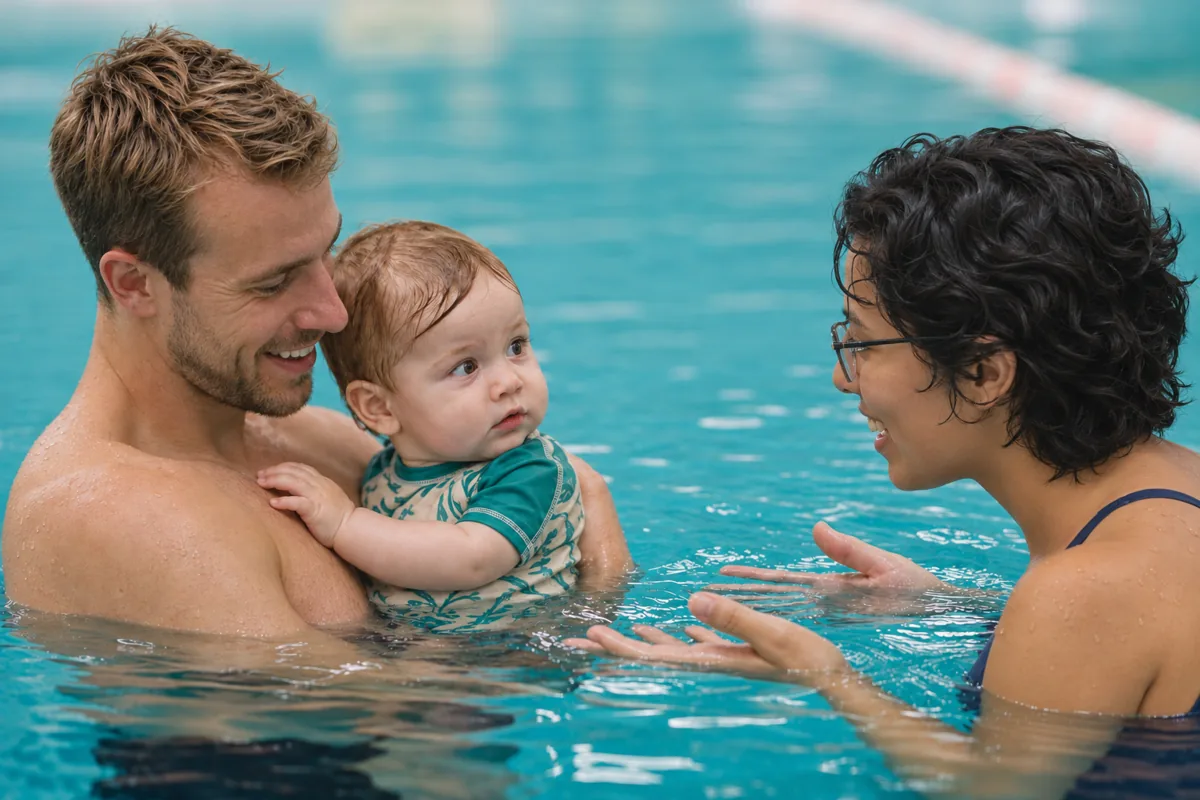
We maintain small class sizes to ensure every swimmer receives the attention they need to grow at their own pace. Parents are encouraged to participate, reinforcing bonding and comfort both in and out of the water.
Ready to make swimming part of your child's weekly routine?
Enroll in our Infant and Toddler Swim Lessons today and watch your little one grow in confidence, skill, and joy-one splash at a time. Register Now at Blue Dolphin Swim School.
FAQs: Early Swim Lessons for Babies and Toddlers
When should my baby start swim lessons?
The American Academy of Pediatrics recommends starting formal swim lessons around 1 year of age, though babies as young as 6 months can participate in parent-and-child water play classes to build comfort and familiarity.
How often should my child attend swim lessons?
For best results, aim for one to two lessons per week. Consistent attendance helps children retain what they've learned and continue developing new skills.
What if my baby cries during lessons?
It's completely normal! Consistency is key-over time, your child will become more comfortable as they recognize the routine and begin associating the pool with positive experiences.
How can I support my child's progress outside of class?
Continue positive water exposure at home during bath time or safe, supervised play in shallow water. Encourage splashing, floating, and gentle kicking to reinforce what they've learned.
Are year-round lessons necessary?
Yes-maintaining lessons through all seasons helps prevent regression, keeps safety skills fresh, and strengthens confidence over time.
Pause & prepare
Take three questions to your next lesson
Think through each question and check it when you have something to discuss. This is a conversation prompt, not a readiness test.
0 of 3 questions considered