Water Time Before Walking: Comfort, Bonding, and Infant Swim Lessons
3 min read
By Blue Dolphin Swim School
Your learning focus
A clearer picture before the next step.
Explore supported infant water play, parent-child bonding, and realistic expectations about comfort and readiness.
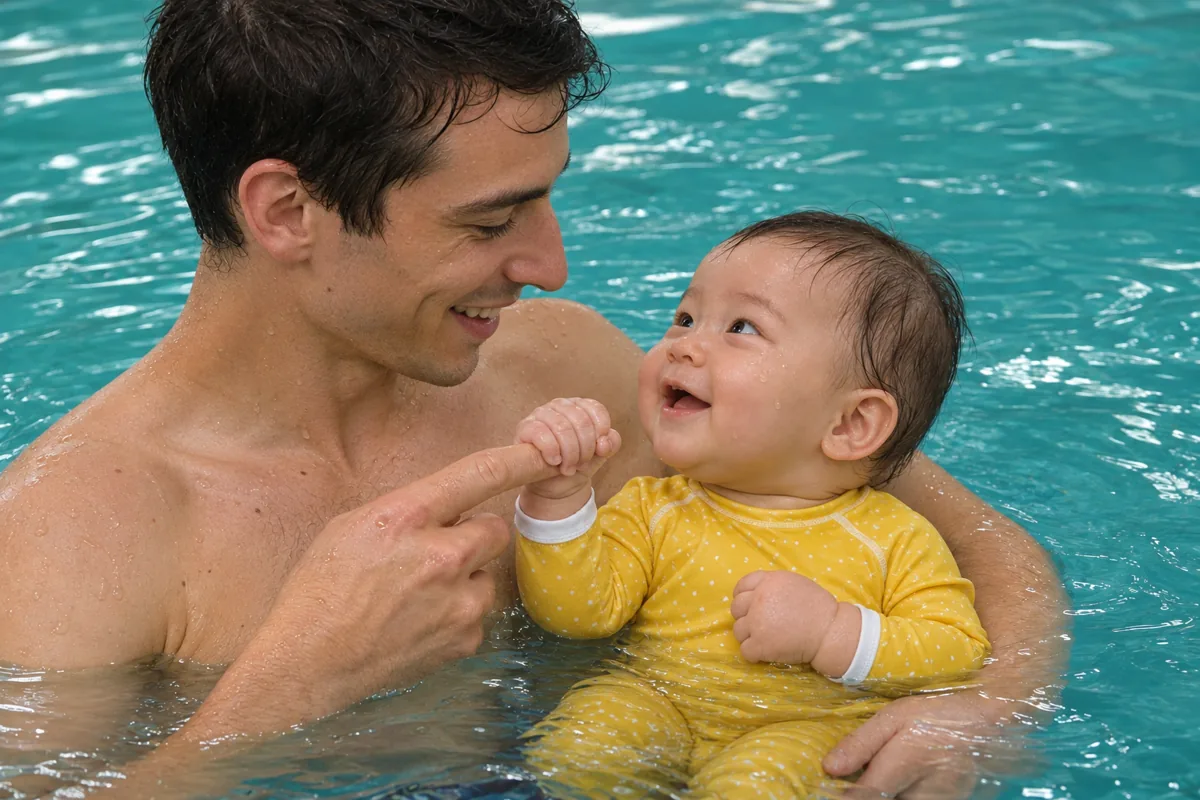
Before walking, babies can enjoy supported parent-child water play when it suits their individual readiness. The goal is a comfortable shared experience, not a promise of medical, academic, or emergency-survival benefits.
At Blue Dolphin Swim School, we’ve seen firsthand how introducing water time before walking time transforms the quality of life for babies and families alike. Here’s why early swim experiences are so impactful.
The Limits of Infant Water Play
Drowning is a leading cause of accidental death among children, especially those under age four. Many of these tragedies happen in common bodies of water like pools, bathtubs, or backyard ponds—even an inch of water can be deadly to an unattended infant. That’s why early swim lessons play a critical role in prevention.
For babies younger than one, infant programs have not been shown to reduce drowning risk. Keep your baby securely supported, prevent access to water, and provide close adult supervision.
Comfort in the Water Starts Young
Reflex movements do not establish independent swimming or reliable self-rescue. Babies respond differently to new settings; build familiarity gradually and avoid forcing activities.
A calm shared activity gives parents time to attend to their baby’s reactions. Swimming should not be presented as treatment for mental-health conditions or difficult life experiences.
Supported Movement and Play
Water play can include supported reaching, kicking, and gentle movement. Match the activity to your baby’s current abilities and discuss developmental concerns with your pediatrician.
Swimming should not be promised to improve language, academic readiness, immunity, or sleep. Enjoy the activity without using it to predict developmental milestones.
The Bonding Is Real
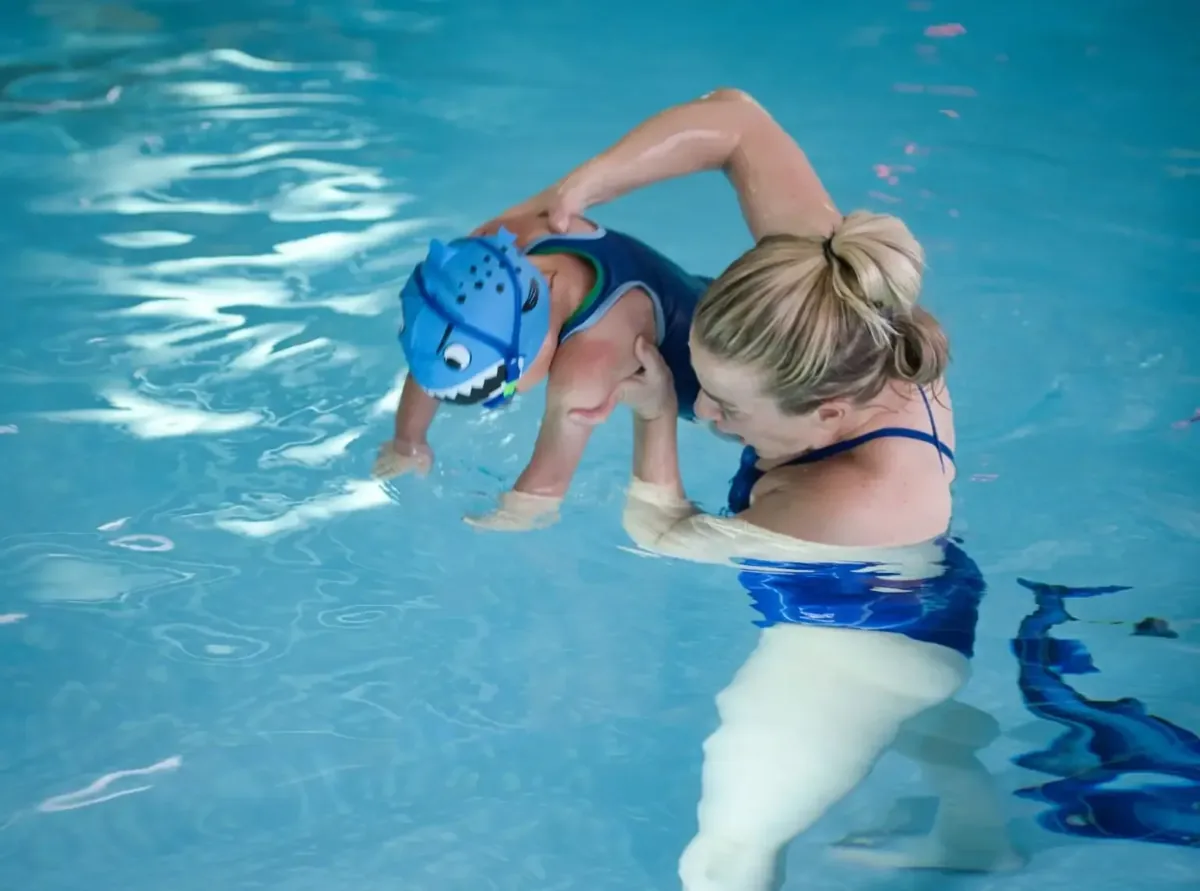
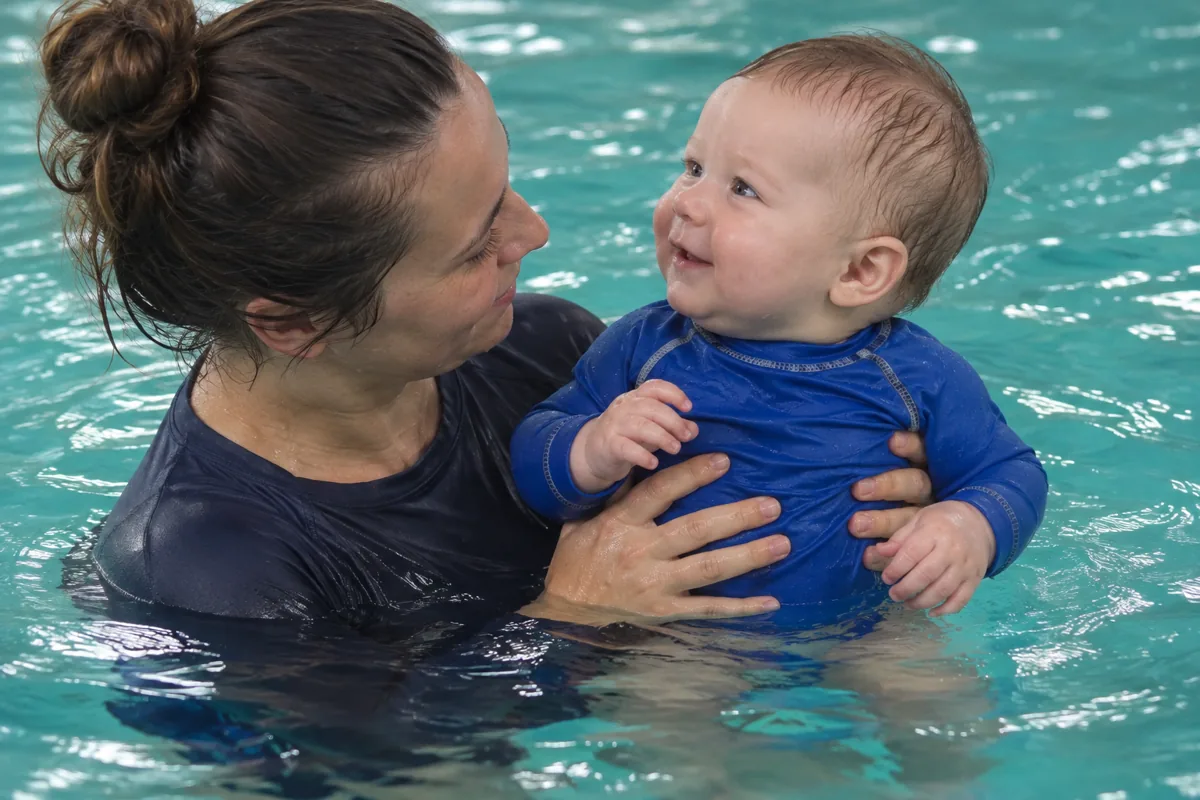
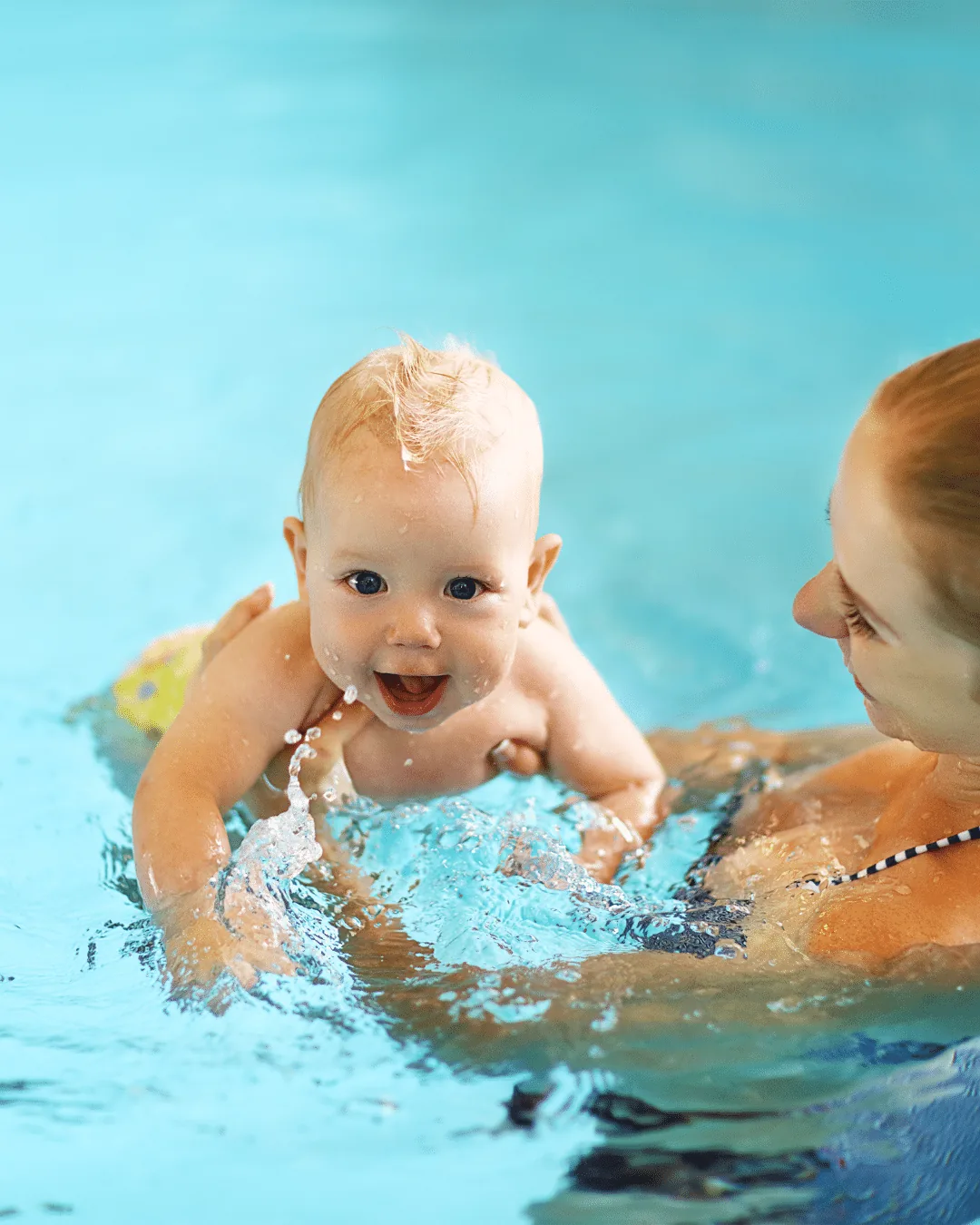
In our fast-paced world, dedicated, distraction-free time with your child can be rare. Swimming offers a unique environment where parents and babies focus solely on each other. With eye contact, skin contact, and shared movement, swim time becomes more than physical activity—it's a quality connection.
Choose moments of calm communication and follow your baby’s signals. Pause when either of you needs a break, and keep the experience responsive rather than performance-driven.
Water Isn’t Just for Summer
For infant water play, ask about pool temperature and individual readiness. Adult cold-water trends are not guidance for babies.
A comfortable routine can continue beyond summer if it suits the family. Goals should match the child and the actual program.
Everyday Gains for Every Family
Families may enjoy a predictable activity together, but sleep, appetite, and behavior vary. Lesson attendance is not a treatment or guarantee of easier routines.
A parent-child class is one optional shared activity. It is not a requirement for healthy development or a guarantee of earlier skills.
Start Your Baby’s Swim Journey Today
Blue Dolphin’s Baby Love Infant Swim page lists parent-child options for babies and toddlers aged four to twenty-four months. Confirm the current requirements and your child’s readiness with the school.
Whether you’re seeking bonding time, safer water habits, or the developmental benefits of early swimming, we’re here to help you dive in—safely, joyfully, and with intention.
Visit our site to learn more and enroll. Give your child the gift of water confidence—for today, and for their entire life.
Further reading: AAP guidance on swim-lesson readiness and the limits of infant water play.
Pause & prepare
Take three questions to your next lesson
Think through each question and check it when you have something to discuss. This is a conversation prompt, not a readiness test.
0 of 3 questions considered