Which Masters lane should I join: sprint, steady, or technique-focused?
A practical guide for adult Masters swimmers to choose the right lane by matching weekly goals (fitness, speed, technique), understanding typical lane culture and pace ranges, running a simple two-practice fit test, and what to say when trying a new lane.
Updated
quick overview of common lane types
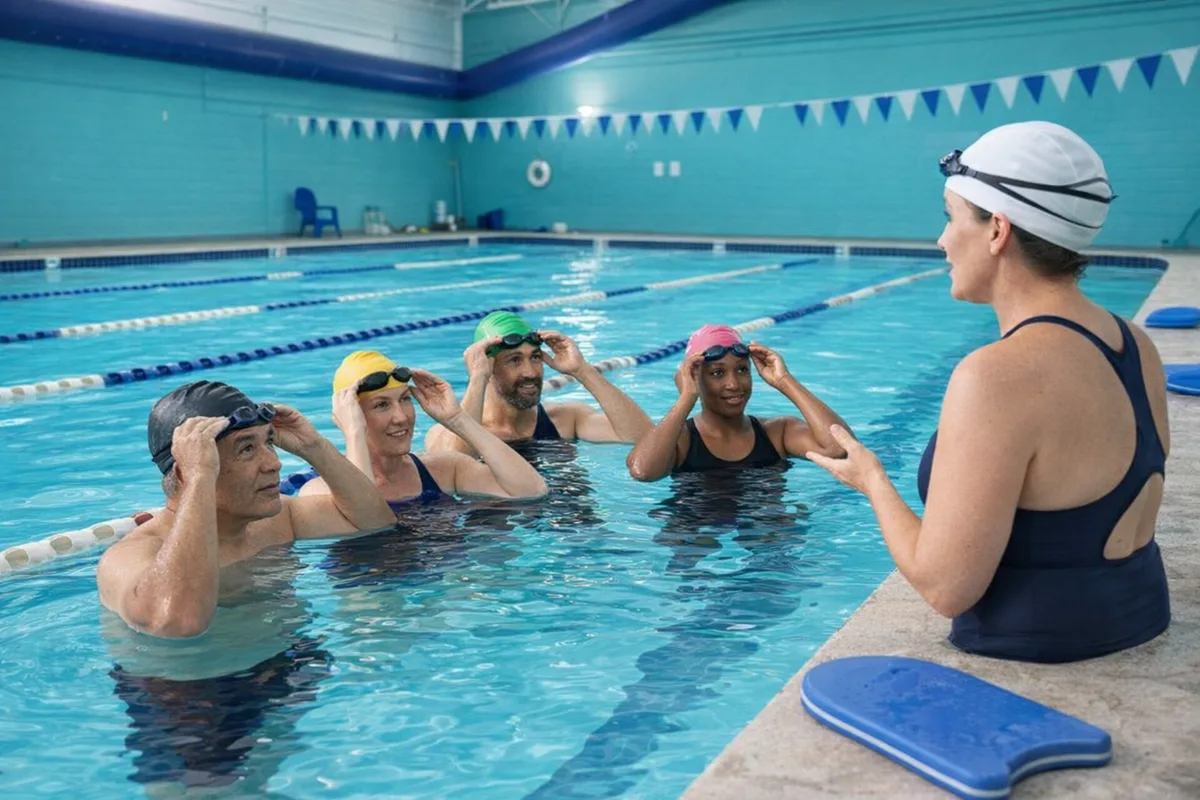
Masters lanes commonly organize around three broad emphases: sprint-focused, steady/endurance, and technique-focused lanes. Each tends to attract different swimmer goals, warmup routines, rest patterns, and social expectations. Read this overview first to map your weekly goals to the lane that will best support them.
- sprint lane: short, fast repeats with longer rests or fast turnarounds; often coached for speed and race-style sets.
- steady/endurance lane: longer intervals, continuous broken swims, aerobic emphasis and consistent pacing.
- technique-focused lane: lower overall intensity, more drills and skill work, frequent coaching feedback and slower prescribed paces.
matching a lane to your weekly goals (fitness, speed, or technique)
Choose the lane that aligns with your primary weekly training objective. If you want to maintain general fitness, pick a steady lane; if you want to improve race speed, a sprint lane fits better; if you need technical feedback, look for a technique-focused lane where drills and coaching cues are emphasized.
- fitness/consistency: steady lanes that emphasize continuous work and sustainable pace.
- speed/competition prep: sprint lanes that include high-intensity repeats and short recoveries.
- technique/relearning form: technique lanes with frequent drills, slower intervals, and time for feedback.
Try the notation
Swim-set explorer
See how repetitions and pool length change the distance. This explains arithmetic, not what you should swim.
4 × 50 yards = 200 yards
2 pool lengths per repeat; 8 lengths in total.
Confirm the actual pool length with your coach. Yards and meters are separate units; this tool does not convert race times.
typical lane culture and pace ranges to expect
Lane culture covers how teammates behave, whether the lane is talkative, whether sets are strict, and how send-offs or rolling sets are managed. Pace ranges vary widely by pool and group, so use these typical descriptions as a starting point and confirm with the coach or lane captain before committing.
- sprint lanes: direct, focused; faster send-offs and tighter intervals. Paces often include short maximal repeats with purposeful rest.
- steady lanes: conversational pace for longer intervals; swimmers maintain consistent speed with fewer abrupt spikes.
- technique lanes: relaxed tempo with built-in drill segments, slowed main sets, and frequent stops for instruction.
a simple two-practice test to evaluate lane fit
Try a new lane twice before deciding. A short trial lets you observe coaching style, pacing, and how the group handles sets or rest. Use two different practice days so you see a variety of sets and can judge whether the lane supports your weekly plan and recovery needs.
- practice 1: arrive early, introduce yourself, observe warm-up and the first main set to check pacing and culture.
- practice 2: confirm whether the lane’s typical structure (intervals, rest, drills) matches your goals and energy levels.
- after two visits: reflect on how you felt physically, whether you could complete the main sets, and how well you fit socially within the lane.
what to say to a coach or lane captain when trying a new lane
Introduce yourself briefly, state your current training goals for the week, and ask where the lane typically lands on intensity and pace. Mention any recent break from training or physical limits so the coach or lane captain can suggest appropriate modifications or recommend another lane if needed.
- introduce: your name, usual training frequency, and primary goal (fitness, speed, technique).
- ask: tell me the typical pace range or structure for this lane and whether sets are strict or flexible.
- share limits: mention recent time away from training, niggles, or known restrictions and ask about modified options.
transitioning lanes and basic masters etiquette
If you decide to change lanes, give notice to your coach or the lane captain and plan a smooth transition that avoids disrupting practices. Respect send-offs, circle-swim rules, and the established coach-led structure. Clear communication preserves relationships and keeps practices productive for everyone.
- give a heads-up: tell the current lane captain or coach and the new lane’s coach you plan to switch.
- observe lane rules: follow send-off protocols, pass politely, and match the lane’s pacing expectations.
- be adaptable: accept that some lanes expect faster turns and shorter rests—ask for modifications when needed.
Pause & put it together
A quick learning check.
Questions you might have
how long should i trial a lane before deciding?
Two practices usually give enough variety to see typical sets and culture. One visit can show you the vibe, but a second visit helps confirm whether the lane consistently matches your weekly goals and energy levels.
what if i want a mix of speed and technique in the same week?
Plan complementary sessions: use a sprint lane for one high-intensity session and a technique lane for another. Discuss your weekly plan with a coach so they can suggest how to balance intensity and skill work across practices.
how do i ask for modified sets if a lane is too fast?
Tell the coach or lane captain your current condition and request a modification—examples include longer rest, reduced repetitions, or doing drills where appropriate. A coach can advise suitable alternatives while keeping the swimmer part of the session.
can i switch lanes mid-season?
Yes. Seasonal shifts in goals or fitness often make lane changes reasonable. Communicate with both lane leaders, try the new lane at least twice, and be mindful of etiquette during the switch.