How can I calm a toddler who became scared of the pool after one bad splash?
A short, step-by-step reintroduction plan for parents to help a toddler recover confidence after a frightening splash. Focuses on calm first visits, comforting language and touch, small measurable goals, signs to pause, and when to consult an instructor.
Updated
first steps right after the splash
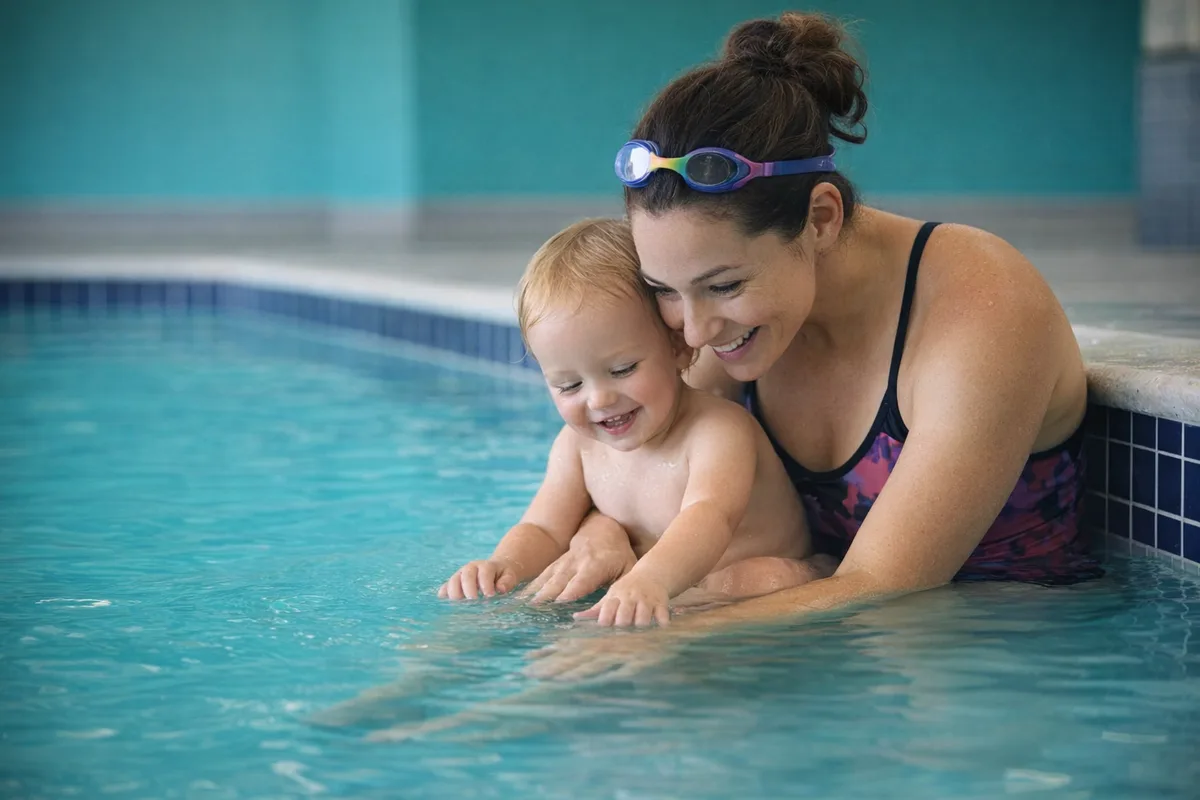
Right after a scary splash, your first goal is emotional safety: remove your child from the immediate trigger and offer close, soothing contact until they visibly calm. Keep the interaction low-key and predictable to avoid reinforcing fear. Offer choice and control—those restore a toddler’s sense of safety more than rushing back into the pool.
- move to a quieter spot and hold your child if they want contact
- use calm tone and simple words: name the feeling and reassure (for example, “That was scary. I’m here.”)
- avoid scolding or minimizing (don’t say “it’s nothing”); validate the reaction instead
- give a short break from the pool: dry towel, story, or a familiar toy
how to use calming language and touch
Toddlers rely on your facial expressions, voice, and touch to interpret danger. Use steady, soft speech and gentle, proximal touch to signal safety. Describe what you see and offer a simple plan so the child feels included; clear, predictable language reduces uncertainty and helps your toddler regain trust in you and the environment.
- narrate simply: “You got water in your face. That scared you. We’re okay.”
- offer hand-holds, chest-to-chest holding, or sitting on your lap—follow your child’s comfort level
- model calm posture and slow movements; avoid hurried gestures that can feel frantic
- offer small, concrete choices: “Do you want to sit on the step or stand with me?”
plan short, confidence-building pool visits
Reintroduce the pool with short, predictable visits that prioritize positive experiences over practice. Use very small, measurable goals that your child can accomplish without pressure so they notice progress. Keep visits consistent but brief, and finish while your child is still comfortable so they remember leaving the pool calm and successful.
- set one small goal per visit (for example: sit at the pool edge, dip toes, stand in shallow water with you)
- celebrate effort and calm behavior, not speed or distance
- end sessions on a positive note before fatigue or frustration appears
- repeat the same short routine so predictability builds trust
when to pause and when to consult an instructor
Watch for clear signals that your child needs more time away: increasing clinginess, shutdown, persistent avoidance, or escalating panic. If fear persists across multiple visits or interferes with regular play, reach out to your child’s swim instructor. A teacher can observe, suggest adjustments or alternate entry approaches, and design a stepwise plan tailored to your child’s needs.
- signs to pause: refusal to enter, repeated crying at poolside, or regression in other water behaviors
- what to discuss with an instructor: what you observed, what calmed your child, and willingness to try smaller steps
- ask the instructor about alternative lesson structures (parent-led warm-ups, private observation, or very gradual re-entry)
- if you have concerns about physical injury or unusual symptoms after the splash, consult your child’s pediatrician
practical poolside routines parents can use
Establishing a short, familiar arrival and exit routine helps toddlers predict what will happen and reduces anxiety. Bring a few comforting items and keep transitions simple and consistent. These predictable cues tell your child the pool experience is manageable and that you are in control of the pace, which supports steady recovery of confidence.
- arrival ritual: a favorite towel, a quick hello to the instructor, a five-word plan so the child knows what to expect
- items to bring: soft towel, familiar toy or comfort object, dry clothes and a small snack for after the visit
- exit ritual: a short praise sentence about their bravery and a planned calming activity at home
- avoid overloading the first few visits—fewer people and fewer new toys helps keep focus on comfort
Pause & prepare
Take three questions to your next lesson
Think through each question and check it when you have something to discuss. This is a conversation prompt, not a readiness test.
0 of 3 questions considered
Questions you might have
is it normal for a toddler to become scared after one bad splash?
Yes. Toddlers can develop a quick association between an upsetting event and the place it happened. Validating the fear, giving space, and using calm reintroduction strategies usually help. If you’re unsure, discuss the episode with your child’s instructor for tailored next steps.
how often should i attempt pool visits while rebuilding confidence?
Frequency should match your child’s tolerance and mood: short, predictable visits spaced so your child leaves calm are better than long, intense sessions. Let your child’s comfort guide the schedule and check in with the instructor for a pacing plan that fits your family.
should i stop swim lessons after this happens?
Not necessarily. Many children recover with small adjustments. Talk with your instructor about temporary changes—shorter sessions, more parent presence, or a different entry routine. If fear persists despite these changes, the instructor can recommend next steps.
can we practice at home to help?
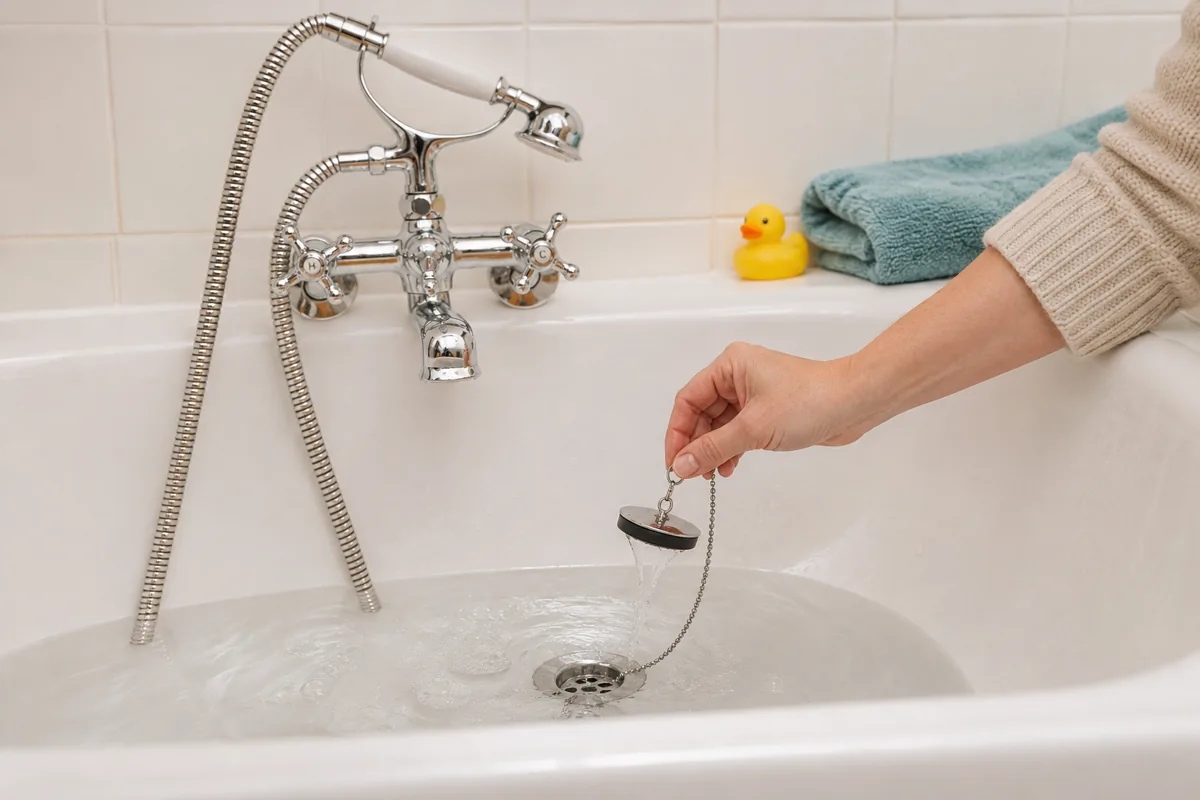
Yes—gentle, low-pressure water play at bath time can reinforce positive associations. Keep it short and playful, follow your child’s lead, and avoid recreating the exact stressful stimulus. If you’re planning anything more structured, discuss it with your instructor first.
when should i seek professional help?
If fear significantly limits your child’s daily activities, lasts for many weeks despite gentle reintroduction, or if you’re concerned about behavioral changes, talk with your swim instructor and your pediatrician to explore supportive options.