Your learning focus
A clearer picture before the next step.
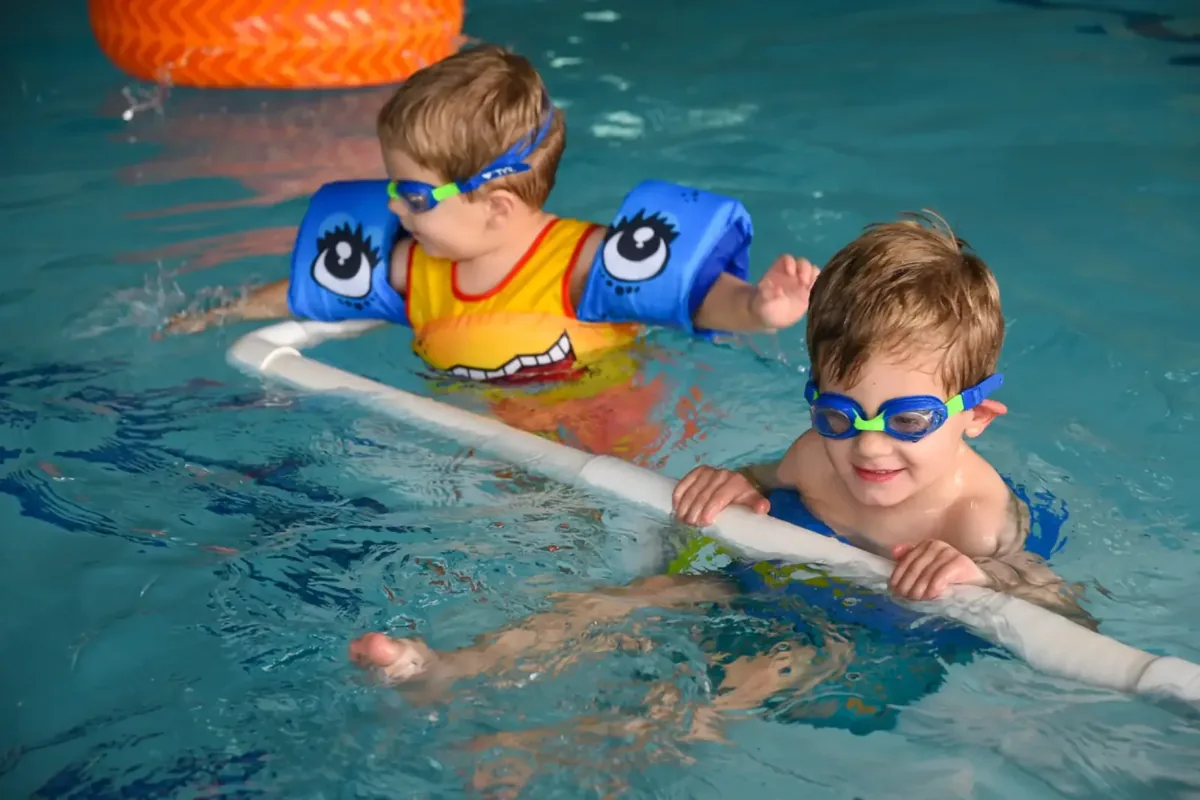
Every child learns to swim at their own pace, but with consistent lessons and support, most can develop strong swim skills within months at Blue Dolphin Swim School. Browse the website for more details.
There is no single number of hours that determines when a child can swim independently. Progress depends on current abilities, comfort, instruction, and consistency. Ask the instructor which skills are developing and how they assess readiness rather than using a generic deadline.
At Blue Dolphin Swim School, we believe every swimmer’s journey is unique. Whether your child is just dipping their toes or building endurance across the pool, we’re here to support their growth in a safe, positive, and encouraging environment.
What Impacts How Quickly a Child Learns to Swim?
1. Age & Development
Younger children, especially toddlers, may take longer to learn because they are still developing physical coordination. However, they’re also more adaptable and can gradually build water confidence through early exposure. School-aged children often pick up the mechanics faster but may need more time overcoming fear of water or the discomfort of heads under water.
2. Consistency of Lessons
The frequency of lessons plays a big role in swim success. Children who attend lessons consistently—whether once or twice a week—tend to progress faster than those with sporadic or seasonal sessions. Like any physical skill, swimming requires repetition and muscle memory.
3. Prior Water Experience
A child who’s already familiar with a swimming pool, home pools, or time spent near inland waters will likely feel more at ease during formal lessons. Exposure to water—even through supervised play—can make structured swim instruction more effective.
4. Learning Style & Confidence
Some kids are natural water lovers, while others may struggle with the discomfort of water seeping into their ears or eyes. Building confidence—especially in chest-deep water—is often the first major milestone. An encouraging, fun environment helps them stay engaged and enjoy the process.
5. Quality of Instruction
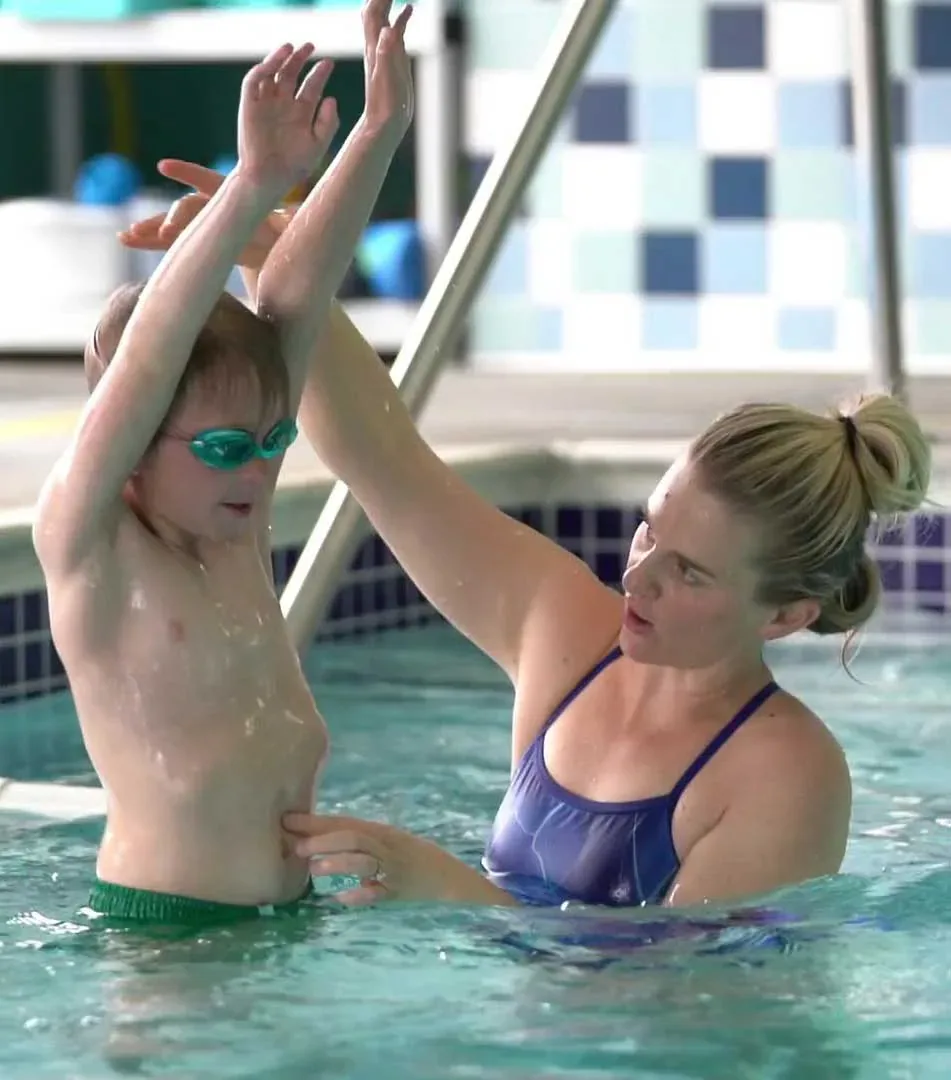
Ask the actual instructor about relevant qualifications, how skills are introduced, and what feedback you can expect. Blue Dolphin’s Learn to Swim page describes private instruction through Turtle, Octopus, and Stingray; use the requirements of the current level to discuss progress.
A General Timeline by Age Group
While there’s no universal timeline, here’s a helpful breakdown to set expectations:
-
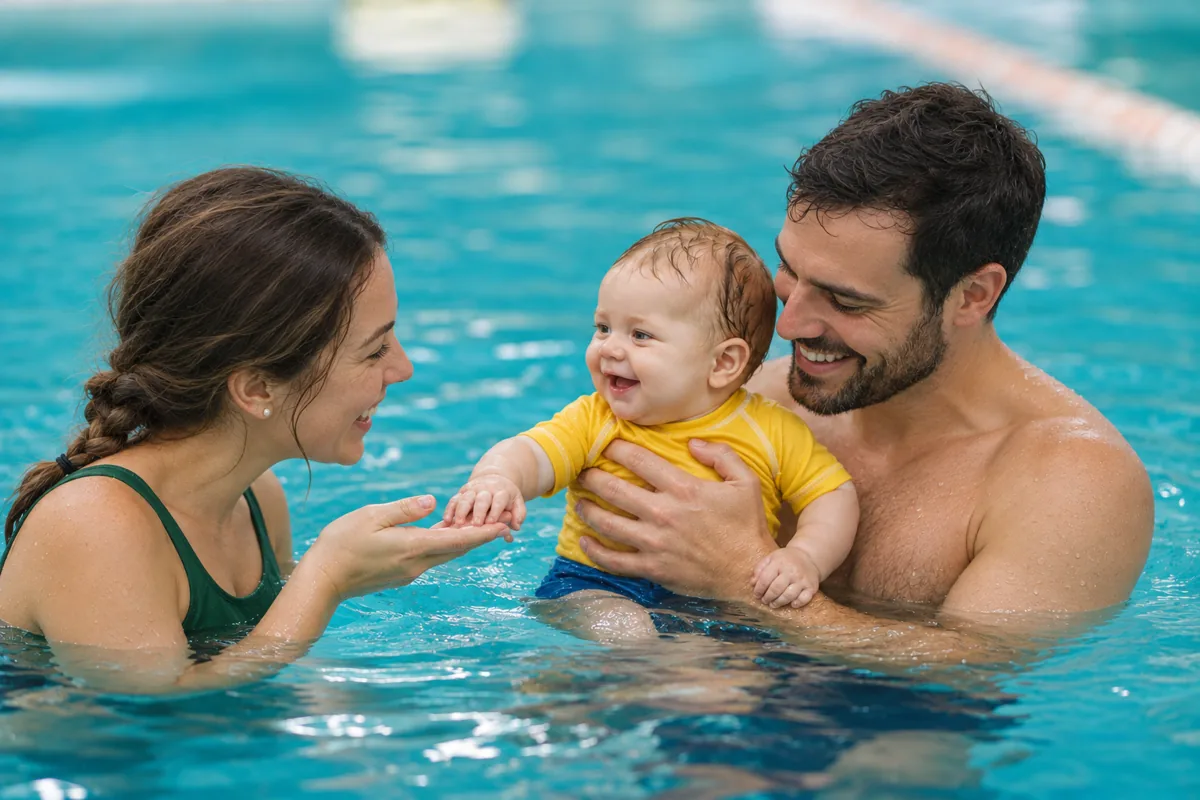
Infants (<1 year): Focus on water acclimation, floating with support, and basic safety habits. Expect a long-term investment in comfort, not independent swimming.
-
Toddlers (1–3 years): Goals depend on readiness, comfort, and support needs. Ask the instructor what your child is practicing and how progress will be assessed.
-
Preschoolers (3–5 years): Some children begin combining skills into independent movement. Compare progress with the child’s own starting point, rather than a generic monthly deadline.
-
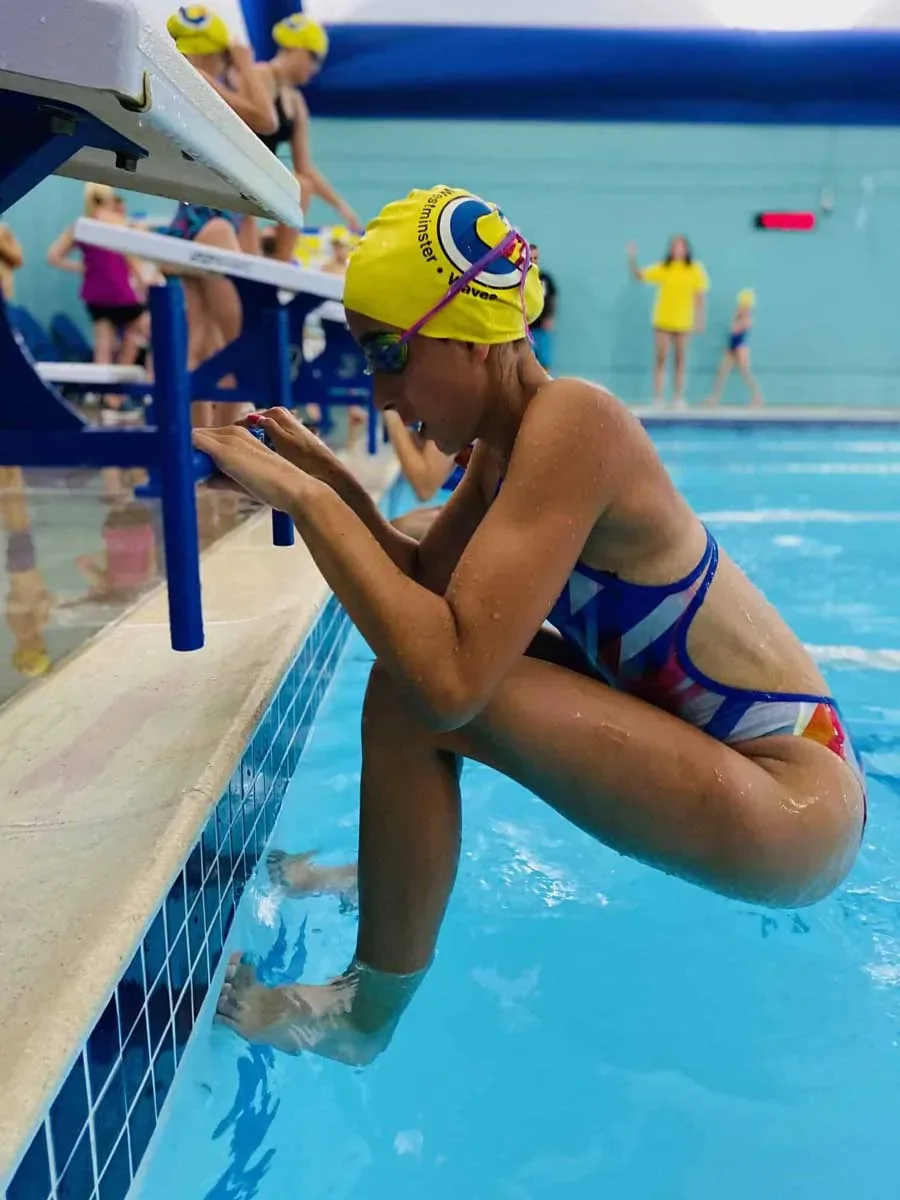
School-aged children (5+ years): Previous experience, comfort, and individual learning needs affect progress. An instructor should assess consistent skills before changing levels.
Remember, learning to swim isn’t just about speed—it’s about mastering essential skills like floating, breath control, and safety in both shallow water and deeper environments.
Swim Progress: Tips for Parents
-
Celebrate Small Wins: Every new skill—whether it's a face in the water or a full lap across the pool—is a step forward.
-
Practice only activities the instructor recommends for your child, with appropriate adult support and supervision. Do not use prolonged breath-holding or underwater endurance challenges.
-
Stay Patient: Some children may take longer to gain comfort in chlorinated water or during submersion.
-
Avoid Comparisons: Each child’s swim journey is personal. Focus on steady progress, not perfection.
-
Model Safe Behavior: Always wear a PFD (Personal Flotation Device) during boating, teach the importance of water smarts, and demonstrate how to be a responsible water watcher.
Frequently Asked Questions
Can a child learn to swim in just a few lessons?
A few sessions may build familiarity or introduce a skill, but they do not establish independent swimming or readiness for a different setting. Ask for an assessment of consistent abilities.
How do I know if my child is ready for swim lessons?
Look for signs like interest in water, ability to follow instructions, and emotional readiness. Even a brand-new swimming student can benefit from exposure through parent-and-child classes.
Should my child practice between lessons?
Absolutely! Supervised swim time in a backyard pool or at a swimming pool reinforces the techniques taught in class and builds confidence.
What if my child is afraid of the water?
It’s common for beginner swimmers to experience fear in water. Our instructors use a gentle, step-by-step guide to help children gain comfort and trust at their own pace.
Do swim lessons include water safety training?
Yes. A high-quality swim school should teach not just swimming strokes but also essential safety skills like floating, treading water, recognizing water hazards, and what to do if they fall in unexpectedly.
What role do parents play in the process?
Parents are key! Encouragement at home, reinforcement of safety tips, and modeling positive attitudes around water all help children succeed in their swimming journey.
Enroll Today at Blue Dolphin Swim School
There’s no exact timeline for learning to swim—but with the right environment, consistent lessons, and encouraging instruction, your child can build strong, confident swimming skills for life.
At Blue Dolphin Swim School, our expert instructors guide swimmers of all ages through their individual journey—from blowing bubbles to mastering full strokes. With flexible scheduling, warm-water pools, and a focus on both fun and safety, we’re here to help every child thrive in the water.
Ready to get started? Visit our site to view class options, instructor info, and enrollment details. Let’s make swimming a lifelong skill—one lesson at a time.
Pause & prepare
Take three questions to your next lesson
Think through each question and check it when you have something to discuss. This is a conversation prompt, not a readiness test.
0 of 3 questions considered