The Role of Parental Involvement in Early Swim Success
4 min read
By Blue Dolphin Swim School
Your learning focus
A clearer picture before the next step.
Parental support is key to early swim success. At Blue Dolphin Swim School, your encouragement boosts confidence, reinforces skills, and builds lifelong water safety habits. Browse the website for more details.
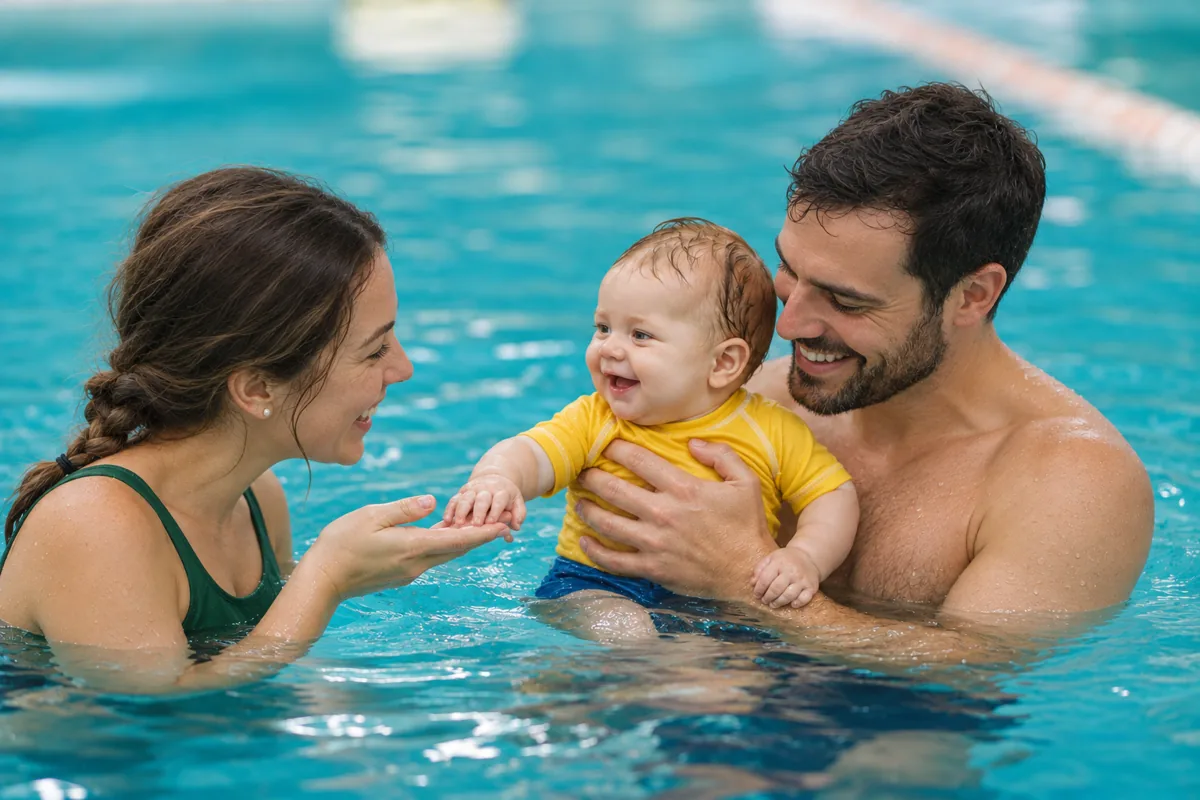
When it comes to teaching babies and toddlers to swim, one of the most powerful tools isn't just the curriculum or the instructor—it’s you, the parent. At Blue Dolphin Swim School, we’ve seen firsthand how consistent, positive parental involvement can accelerate swim success, foster emotional comfort, and create lasting water safety habits.
Whether you’re in the pool during a parent-child class or supporting from the sidelines, your presence and encouragement can significantly impact your child’s confidence and progression.
Why Parental Involvement Matters
- Confidence Starts with You
Young children often mirror the attitudes of their caregivers. If you’re calm, confident, and enthusiastic in the water, your child is more likely to be the same. Demonstrating trust in the water and your child’s abilities creates a strong emotional foundation for learning.
- Positive Reinforcement Goes a Long Way
Clapping after a successful back float or cheering for a brave jump in builds self-esteem and reinforces good technique. Small wins become major milestones when celebrated by parents.
- Repetition at Home Reinforces Skills
Ask the instructor which activities are appropriate between lessons. Keep bath time for washing and gentle communication, with your baby securely supported and their airway clear; do not practice floating or breath-holding drills in a bathtub.
Supporting Skill Development Outside the Classroom
- Physical Guidance
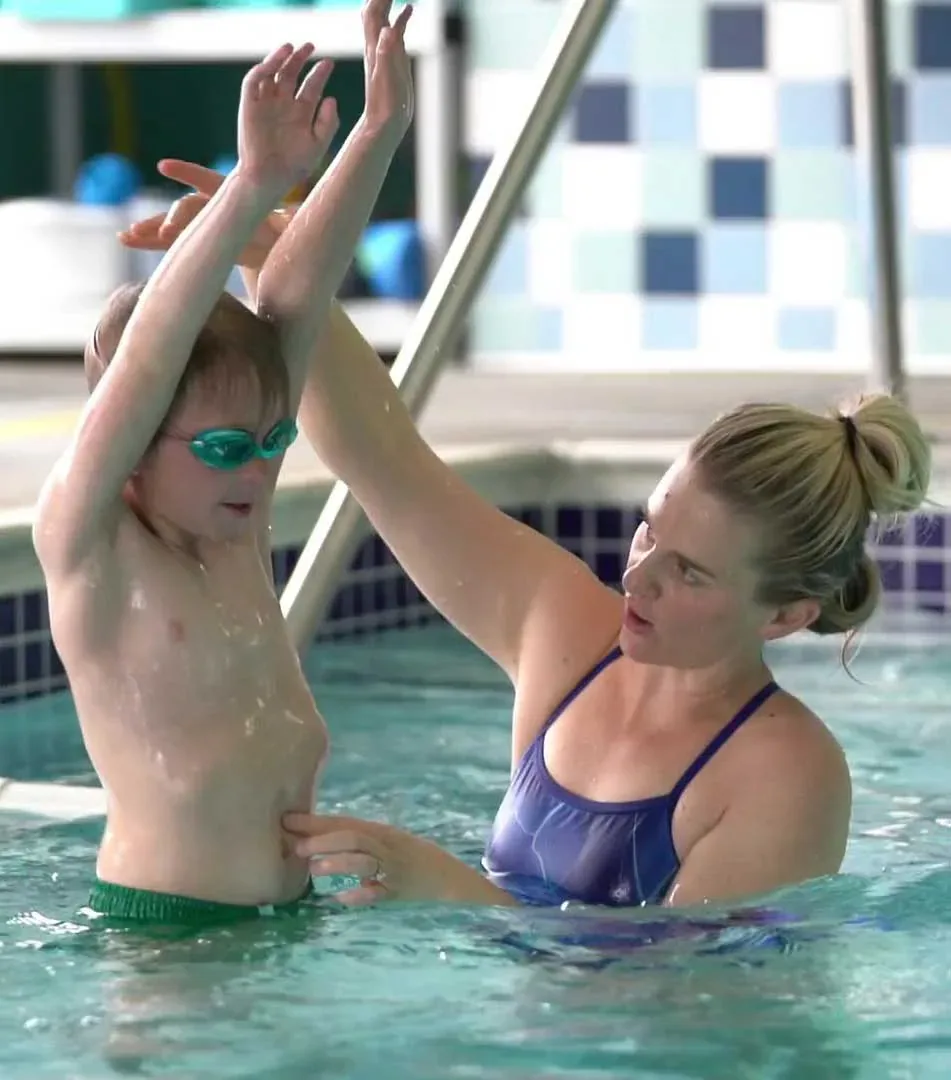
In infant and toddler classes, parents play a hands-on role in guiding their child’s arms, legs, and breathing patterns. This active support strengthens motor development and builds the coordination needed for swimming.
- Additional Practice Time
The more time your child spends engaging with water in a safe, fun way, the faster they progress. Supervised practice outside of formal lessons helps reinforce instructor-led skills and keeps swimming top of mind.
- Encouragement Over Comparison
Avoid comparing your child’s progress to other swimmers. Every child learns at their own pace, and the goal is not to compete—it’s to stay safe, build comfort, and develop lifelong skills.
Promoting Safety Through Parental Involvement
- Consistency Creates Security
Children thrive on routine. Regular lesson attendance paired with familiar routines at home can help reduce water anxiety and boost learning.
- Emphasize Safety Practices
Ask the instructor which activities, if any, are appropriate between lessons and how an adult should support them. Never practice infant floating, submersion, or self-rescue drills independently at home; prevent access to water and supervise closely.
- Emotional Support Builds Resilience
Being in a new environment, surrounded by water and strangers, can be overwhelming. Your presence offers comfort and reassurance, giving your child the confidence to try, fail, and try again—an essential part of learning to swim.
The Blue Dolphin Swim School Difference
At Blue Dolphin Swim School, we know that swimming is more than a sport—it’s a life skill. That’s why our Baby Love infant swim program in Thornton, CO is designed to include parents every step of the way. We foster positive early experiences in the water while building water safety, comfort, and skill progression—all with expert instruction and family-focused support.
Ready to dive into a rewarding swim journey with your child?
Enroll in Baby and Toddler Swim Lessons at Blue Dolphin Swim School and see how your involvement can make all the difference.
FAQs: Parental Involvement in Early Swim Lessons
Do I need to know how to swim to participate in my child’s swim class?
No. Our parent-and-child classes are designed for all comfort levels. Instructors guide you on how to support your child safely in the water, regardless of your swim experience.
How old should my baby be to start swimming lessons?
Babies can begin water acclimation classes as early as 6 months. The American Academy of Pediatrics recommends formal lessons beginning at 1 year for children frequently around water.
What can I do at home to support swim development?
Practice safe water play during bath time, reinforce floating and kicking movements, and use fun songs and games to mimic class routines.
Will my child fall behind if we miss a few classes?
Consistency is key, but if you miss a class, our instructors are happy to help your child review skills and regain momentum when you return.
What should we bring to a parent-child swim class?
Bring swim diapers (for infants), a swimsuit, towel, and a positive mindset. Some families also bring water-safe toys to help ease initial transitions into the pool.
Parental involvement is the heartbeat of early swim success. At Blue Dolphin Swim School, we’re proud to partner with parents across Thornton, CO and beyond to ensure that every child builds skills, confidence, and a love for the water—starting from day one.
Ready to take the plunge?
Register today or contact us to learn more about infant and toddler swimming lessons near you.
Pause & prepare
Take three questions to your next lesson
Think through each question and check it when you have something to discuss. This is a conversation prompt, not a readiness test.
0 of 3 questions considered