Why Learning to Swim Early Builds a Lifetime of Confidence
3 min read
By Blue Dolphin Swim School
Your learning focus
A clearer picture before the next step.
Early swim lessons at Blue Dolphin Swim School build confidence, resilience, and essential water safety skills while supporting physical development and lifelong healthy habits. Browse the website for more details.
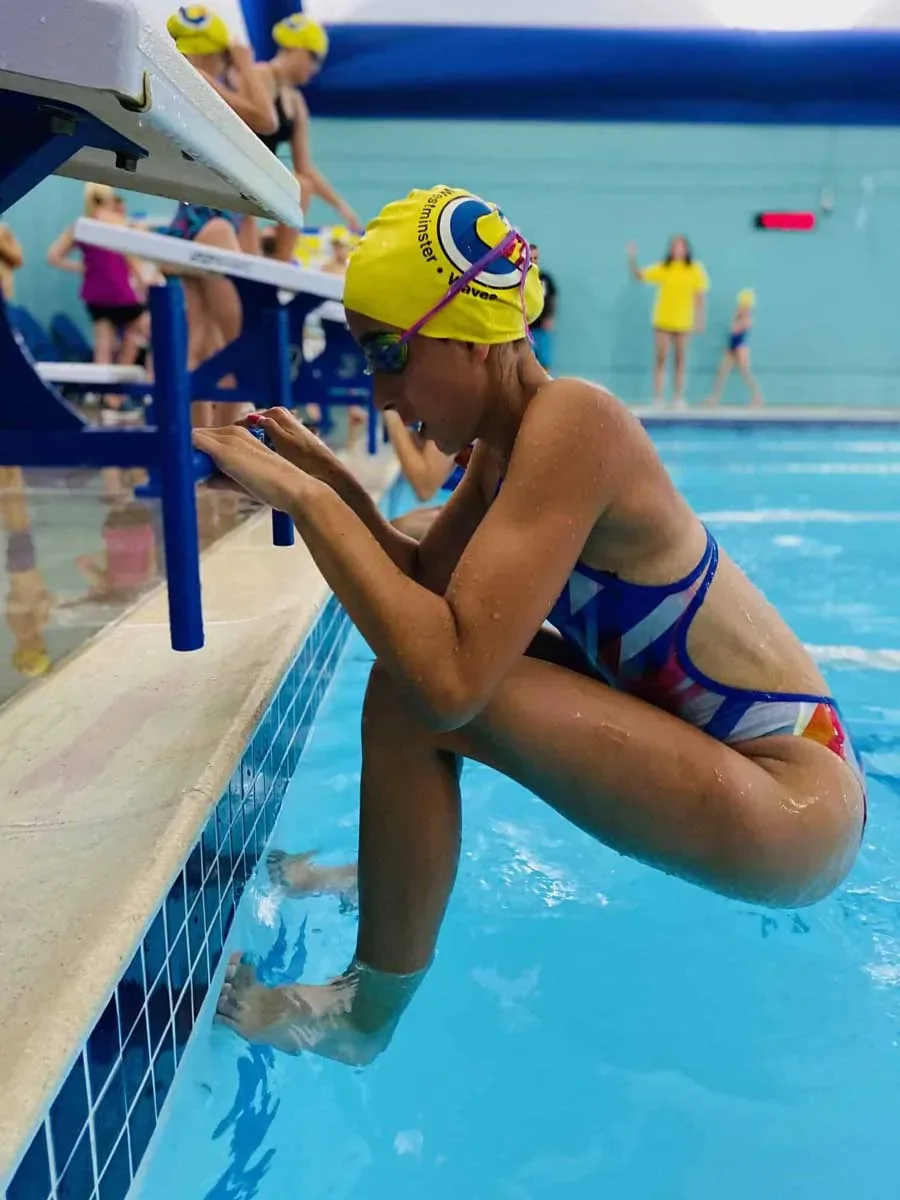
Introducing your child to the water at an early age is more than just fun—it’s foundational. At Blue Dolphin Swim School, we’ve seen how early exposure to swimming lessons shapes confident, capable, and resilient kids. Learning to swim early empowers children with essential water safety skills, strengthens their physical health, and builds a deep sense of self-assurance that extends far beyond the pool.
Overcoming Fear and Developing Courage
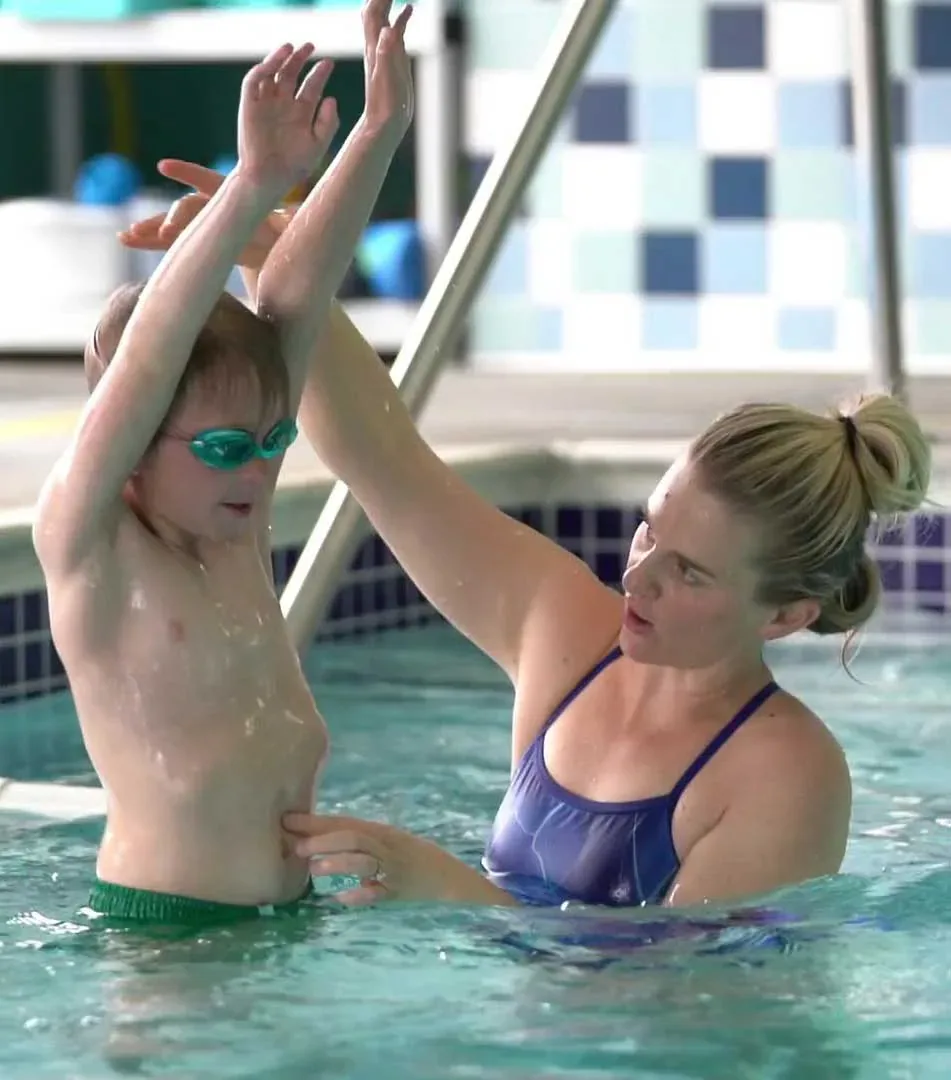
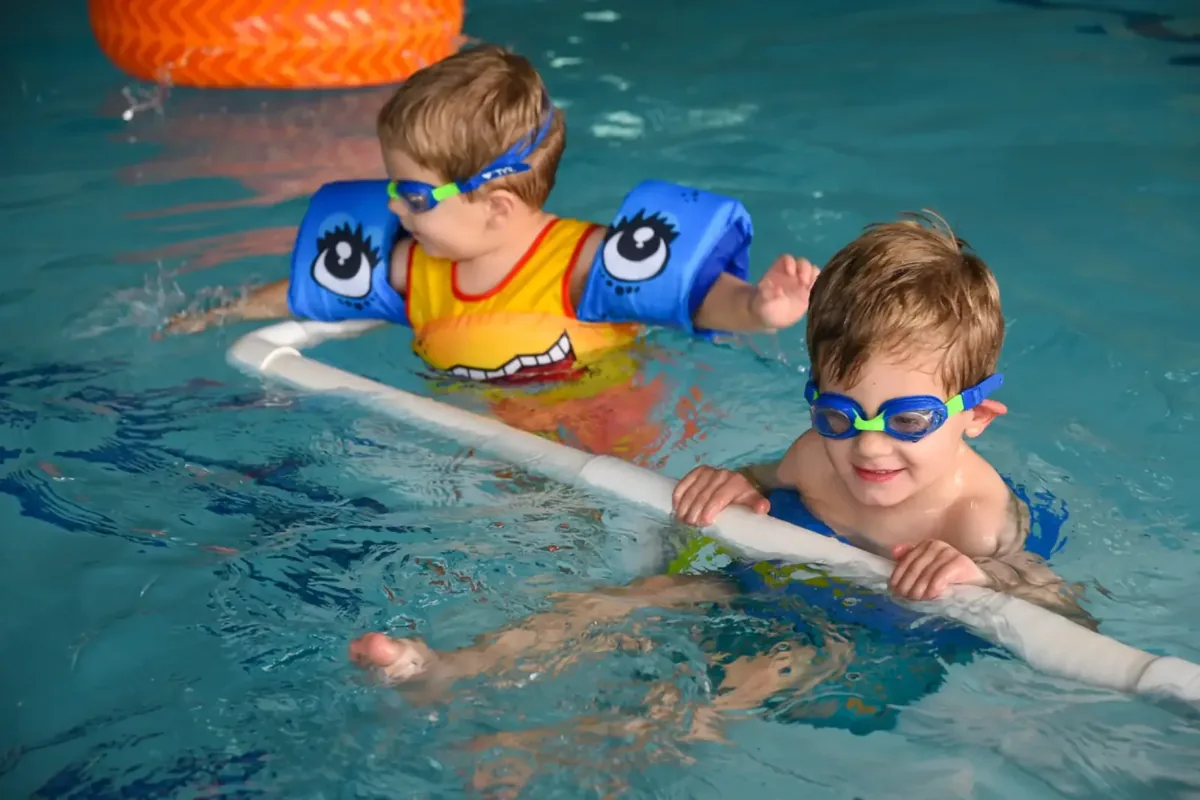
Many children experience initial anxiety around water—whether it’s discomfort with getting their face wet or nervousness about floating without a parent’s touch. Structured swim programs offer a safe, supportive setting for children to face these fears and gradually overcome them.
Each small win, like submerging for the first time or completing a lap across the pool, helps foster emotional resilience. These early victories send a powerful message: "I can do hard things." This mindset becomes a cornerstone of lifelong confidence.
Achieving Milestones That Build Self-Esteem
Early swim lessons are filled with tangible achievements—floating independently, mastering the front crawl, treading water for the first time. With each skill mastered, children gain not only physical competence but also pride in their progress.
These accomplishments help shape a child’s self-identity in positive ways. Kids who succeed in the pool tend to carry that confidence into school, friendships, and other activities. Swimming builds a “can-do” attitude that prepares them for life’s challenges.
Instilling Lifesaving Skills That Provide Peace of Mind
While the psychological benefits of early swimming are powerful, the safety benefits are non-negotiable. Learning basic water safety skills—like returning to the wall, holding breath underwater, and floating on the back—gives children tools that could one day save their lives.
Blue Dolphin’s beginner program describes skills such as floating, underwater movement, and introductory stroke work. Ask how the lesson supports the child’s comfort and what supervision remains necessary. A practiced skill is not a guarantee of a response in an unfamiliar water situation.
Strengthening the Body and the Mind
Swimming is one of the most complete physical activities for young children. It builds coordination, balance, cardiovascular endurance, and muscle strength—all without the joint strain of impact sports. For toddlers and preschoolers still developing their motor skills, swimming offers a gentle yet powerful way to build physical confidence.
Swimming offers opportunities to practice skills and enjoy physical activity. It should not be promised to improve memory, attention, problem-solving, or school readiness.
Creating Positive Associations with Physical Activity
Introducing swimming early sets the tone for a healthy, active lifestyle. Children learn that physical activity can be enjoyable and rewarding—not something to avoid. Whether it's splashing during infant swim classes or mastering the butterfly stroke during youth lessons, swimming reinforces a lifelong relationship with fitness.
Because swimming is a skill that grows with the child, it opens doors to additional opportunities—from swim team participation to future lifeguard certification or other aquatic sports.
Blue Dolphin Swim School offers several learning stages. Compare the published program descriptions and discuss the next step with the school, using your child’s current skills and comfort rather than promises of a particular outcome.
Enroll your child today in one of our infant, toddler, or beginner swimming lessons in Thornton, CO. Let’s build a lifetime of confidence—one swim at a time.
FAQ: Early Swimming and Confidence
At what age should children start swimming lessons?
Many children can begin lessons from around age one, depending on developmental readiness. Blue Dolphin’s Baby Love page lists parent-child options for ages four to twenty-four months; infant water play is not proven drowning protection.
Can early swim lessons really improve my child’s confidence?
Yes! Overcoming initial fear and achieving milestones helps children build resilience, independence, and pride—boosting their confidence in and out of the pool.
What if my child is afraid of water?
Blue Dolphin’s FAQ discusses anxiety and crying during lessons. Tell the instructor what your child finds uncomfortable and ask how the activity and support can be adjusted for the actual class.
Are group or private lessons better for building confidence?
Both offer benefits. Group lessons provide peer encouragement and social development, while private lessons allow for more personalized instruction. Many families start with group lessons and shift to private sessions if needed.
How do swim lessons at Blue Dolphin Swim School prioritize safety?
The Learn to Swim page describes floating, movement through the water, and stroke foundations at different levels. Ask which skills the actual class covers, how the teacher communicates progress, and what supervision expectations families should follow.
Further reading: AAP guidance on swim-lesson readiness and the limits of infant water play.
Pause & prepare
Take three questions to your next lesson
Think through each question and check it when you have something to discuss. This is a conversation prompt, not a readiness test.
0 of 3 questions considered